



A state investigation has revealed thousands of DUI arrests with no alcohol or drugs detected, prompting tough questions about the standard used by Tennessee Highway Patrol troopers. Despite mounting scrutiny, the agency is pushing back, defending each of those arrests as justified.
The patrol's standard for probable cause includes field sobriety test results, roadside observations, slurred speech, bloodshot or watery eyes, and odors consistent with alcohol or drugs. However, critics argue that these indicators are not enough to justify an arrest without evidence of intoxication.
The state is now facing numerous lawsuits over arrests of this type. In 2024 alone, 419 sober DUI arrests were reported statewide, and since 2017, there have been 2,547 cases where drivers tested negative for both alcohol and drugs.
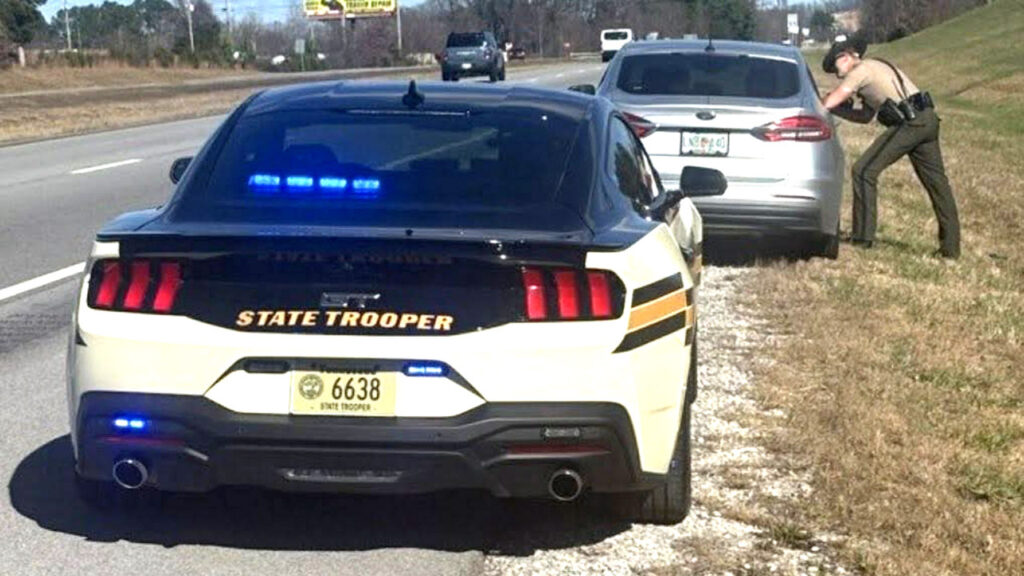
The Tennessee Highway Patrol has a significant share of these arrests, but the agency notes it patrols a much larger geographic area than most local departments. As the investigation continues, questions remain about the reliability of the patrol's standard for probable cause and whether it is being applied consistently across all troopers.
Despite the controversy surrounding sober DUI arrests, some experts argue that the patrol's approach may be more effective in preventing drunk driving accidents than relying solely on breathalyzer tests. The issue has sparked a renewed debate about the role of sobriety checkpoints and the use of field sobriety tests in enforcing DUI laws.
As the state moves forward with new legislation requiring annual disclosure of sober DUI figures, it remains to be seen whether these efforts will lead to greater transparency and accountability within the Tennessee Highway Patrol.
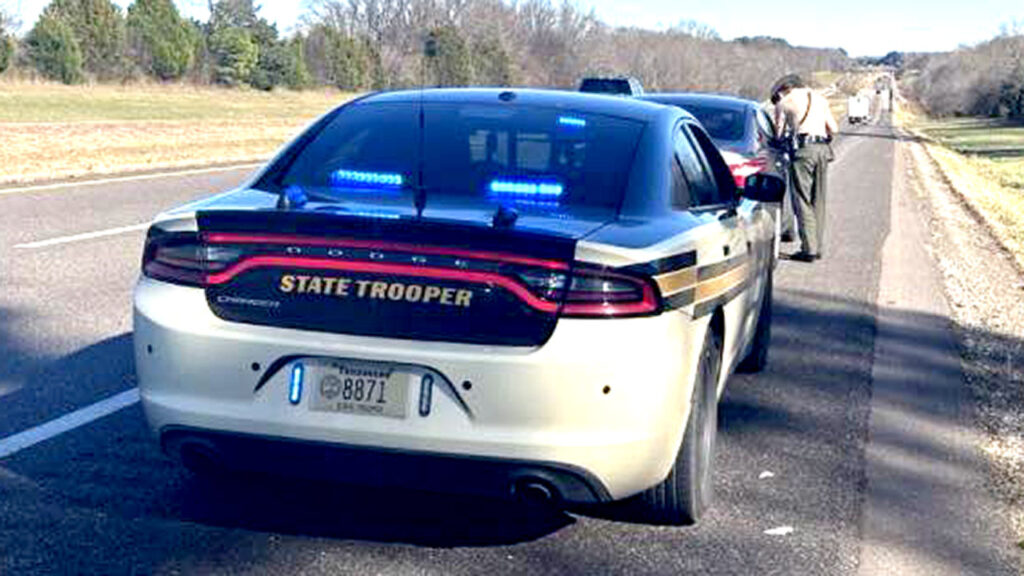
The Tennessee Highway Patrol's approach to enforcing DUI laws is complex and multifaceted, and while it may not be perfect, it has undoubtedly helped reduce drunk driving accidents on Tennessee roads. However, as with any law enforcement tactic, there is always room for improvement and greater transparency is needed to ensure that the rights of all drivers are protected.