


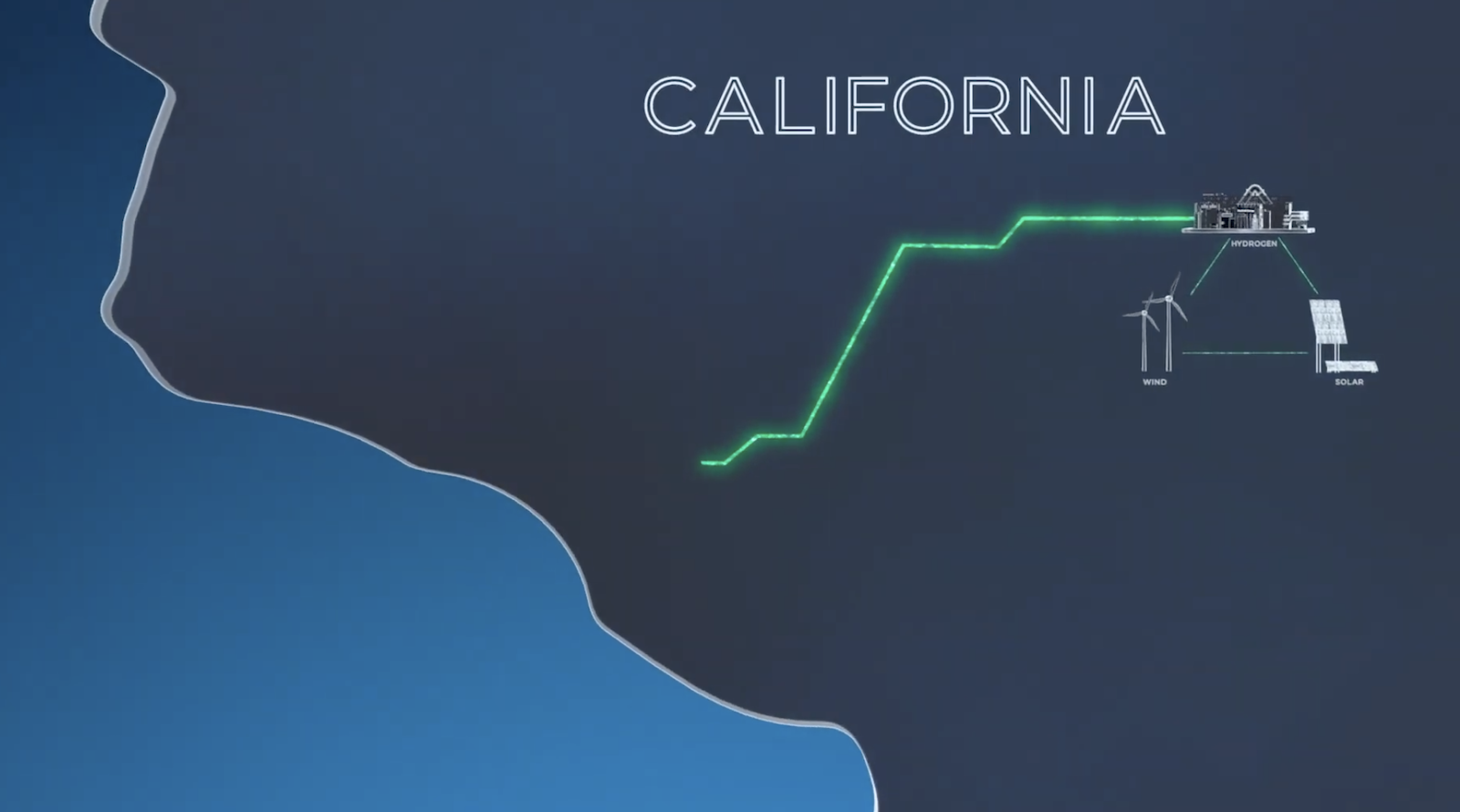
A proposed decision by the California Public Utilities Commission (CPUC) has recommended denying a SoCalGas application to study and plan the Angeles Link Project pipeline, which aims to transport hydrogen fuel from Southern California into the Los Angeles Basin. The initial proposal would have charged customers $266 million for the project, but the CPUC has expressed concerns about the costs and benefits of the project. This decision marks an important turning point in the development of the project, as a final vote is expected in the coming months.
The Angeles Link Project is a highly contested proposal that has been criticized by environmental groups such as the Sierra Club for its high costs and lack of direct benefits to ratepayers. The project's Phase 2 planning and study costs have ballooned from $92 million to $266 million, sparking concerns about the project's viability. Additionally, green hydrogen requires significant amounts of dedicated renewable energy, which could be better used to directly replace fossil fuels end uses.
The CPUC has expressed concerns that SoCalGas failed to identify specific benefits to its ratepayers and that it would be premature to approve costs while the project is still in the planning phase. The commission's decision also highlights the imprudence of relying on the Angeles Link Project to supply hydrogen to the Los Angeles Department of Water and Power, given the project's soaring costs and significant uncertainties.

The rejection of SoCalGas' application has been welcomed by environmental groups such as the Sierra Club, which has long criticized the project for its high costs and lack of direct benefits to ratepayers. The organization's Senior Campaign Organizer Julia Dowell has stated that affordability is a key consideration in every energy conversation and that hydrogen looks increasingly like a risky technology at large scale.
The Sierra Club's opposition to the Angeles Link Project reflects the organization's commitment to promoting clean energy and safeguarding public health. As one of America's largest and most influential grassroots environmental organizations, the Sierra Club works tirelessly to protect communities from the impacts of climate change and promote sustainable development.
The CPUC's decision to reject SoCalGas' application is a significant victory for environmental groups and ratepayers who are concerned about the project's high costs and lack of direct benefits. However, it also highlights the need for greater transparency and accountability in the development of large-scale energy projects.
As the Angeles Link Project moves forward, it will be important to consider the implications of this decision for the broader clean energy landscape in California. The rejection of SoCalGas' application could have significant implications for the development of other hydrogen fueling infrastructure projects in the state.
The Sierra Club's advocacy efforts on behalf of ratepayers and environmental groups have played a crucial role in shaping the CPUC's decision. As the organization continues to push for greater transparency and accountability in the energy sector, it will be important to monitor the project's progress and ensure that its development aligns with the state's clean energy goals.
The Angeles Link Project is just one of many large-scale energy projects currently under development in California. As the state moves forward with its transition to a low-carbon economy, it will be essential to prioritize transparency, accountability, and public engagement in the development of these projects.
The rejection of SoCalGas' application by the California Public Utilities Commission could have significant implications for the development of clean energy projects in the state.