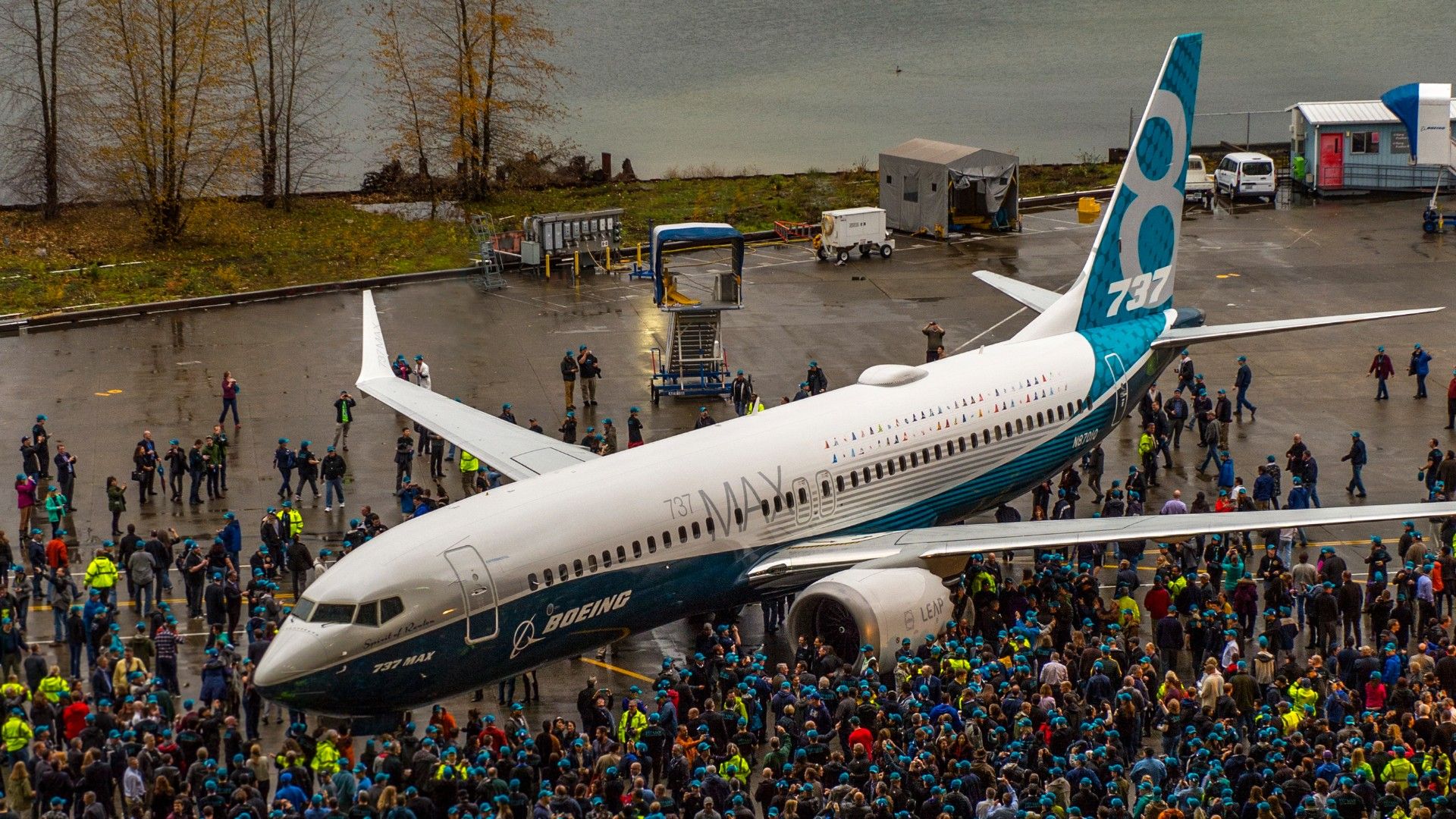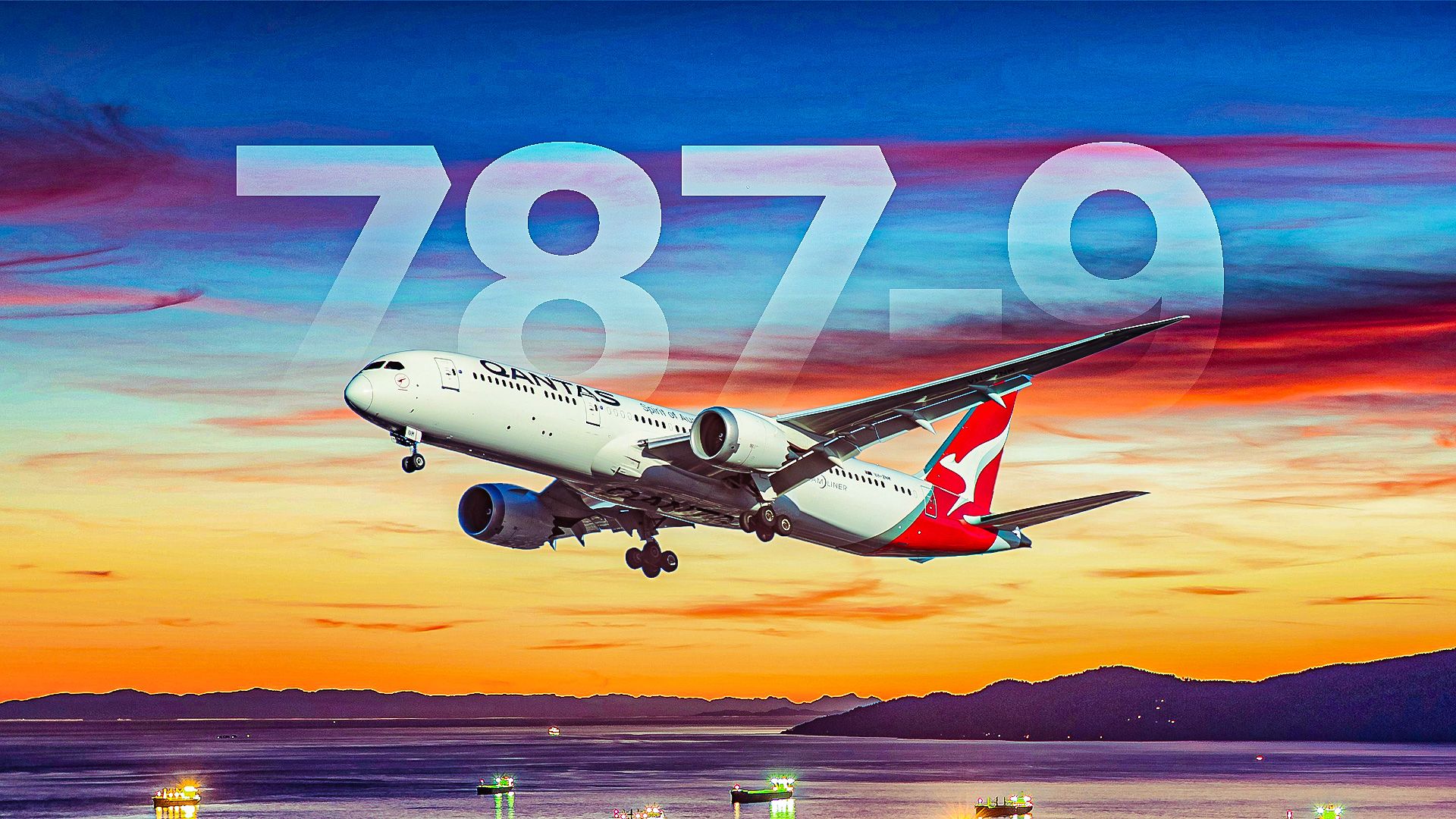


The practice of deploying widebody aircraft on domestic routes may seem counterintuitive, but it reflects a mix of strategic considerations including slot constraints at major airports, strong passenger demand, and the need to efficiently utilize fleets between long-haul assignments. This approach allows airlines to capitalize on high-yield passengers and deliver a competitive premium-focused experience.
The scale of widebody deployments on key domestic corridors is striking, with thousands of flights planned on routes such as New York to California. According to data from Cirium, an aviation analytics company, covering scheduled operations in 2026, these deployments are becoming increasingly common. Airlines are taking advantage of the capacity and range offered by widebodies to serve high-demand markets.
Routes linking the US mainland to Hawaii account for some of the longest domestic sectors in the world, often exceeding 2,500 miles. Airlines such as Delta Air Lines, United Airlines, and Hawaiian Airlines rely heavily on aircraft like the Boeing 767, Boeing 777, Boeing 787, and Airbus A330 to serve these markets. These operations highlight how widebody aircraft continue to shape passenger experience and operational strategies.
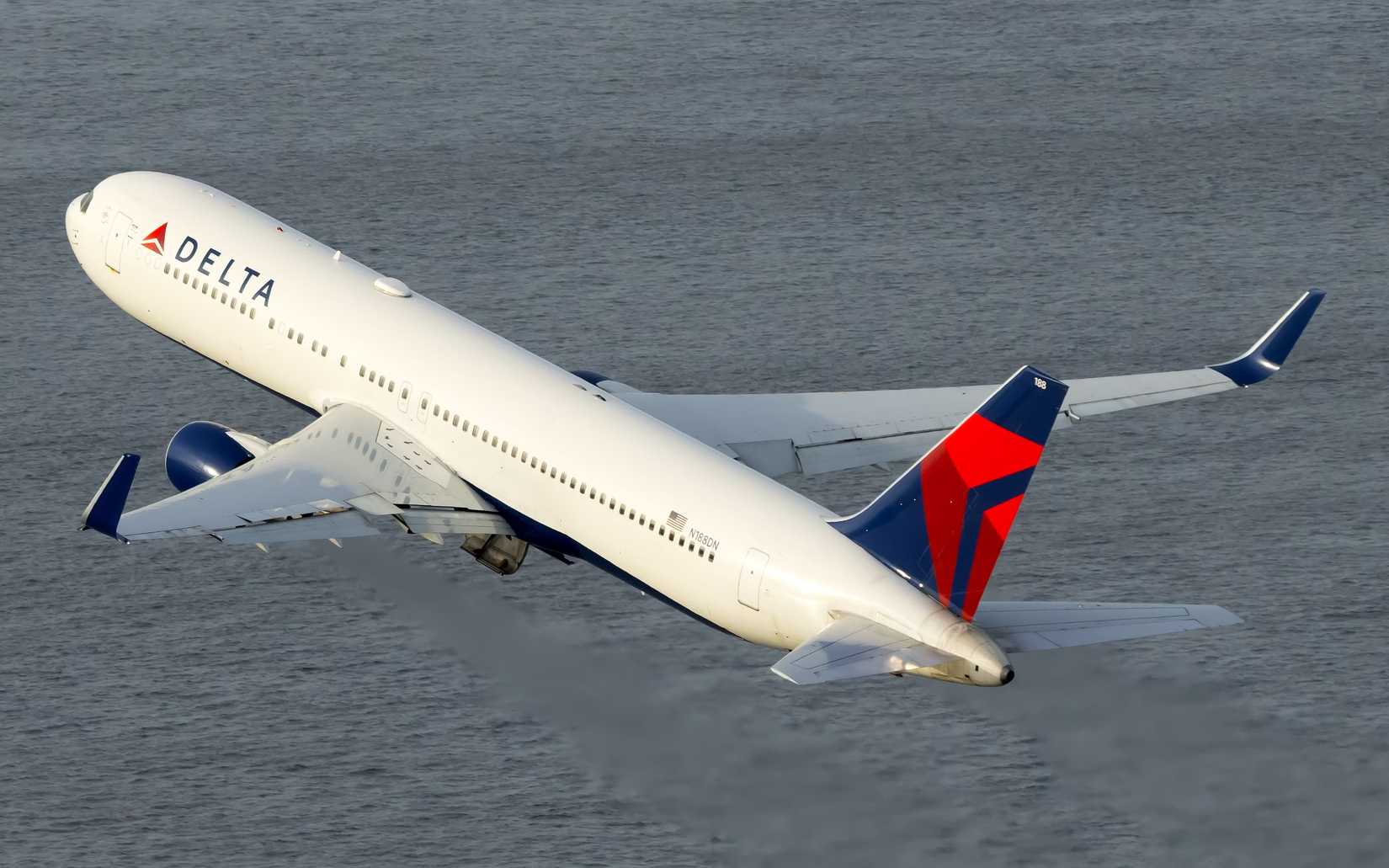
The route between New York John F. Kennedy International Airport (JFK) and Los Angeles International Airport (LAX) is one of the most competitive and high-profile domestic air corridors in the US. Delta Air Lines' use of the Boeing 767-300ER on this route underscores the importance of capacity and premium service in this market, with a total of 2,386 flights scheduled in each direction throughout 2026.
These flights collectively generate more than 1.27 billion available seat miles (ASMs) in each direction, with an average stage length of 3,983 km. The Boeing 767-300ER is particularly well suited to this mission, as it provides a balance of capacity and range, allowing the SkyTeam carrier to offer a premium-heavy configuration tailored to business travelers.
The New York - Los Angeles market is known for its high-yield passengers, including entertainment industry professionals and corporate travelers, which justifies the deployment of widebody aircraft even on a domestic route. This route exemplifies how widebody aircraft are used not only to move large volumes of passengers, but also to deliver a competitive premium-focused experience.

Delta Air Lines' use of the 767 also enables lie-flat seating in premium cabins, helping it compete effectively in a market where onboard product is a key differentiator. Frequency is another critical factor, and with multiple daily departures, Delta Air Lines ensures flexibility for passengers while maintaining high seat load factors.
In conclusion, the use of widebody aircraft on domestic routes reflects a strategic approach to maximizing capacity and premium service, driven by strong demand and the need for efficient fleet utilization. As airlines continue to adapt to changing market conditions, it will be interesting to see how this trend evolves in the coming years.
The use of widebody aircraft on domestic routes is a strategic move to maximize capacity and premium service, reflecting the strong demand for air travel in the US.