
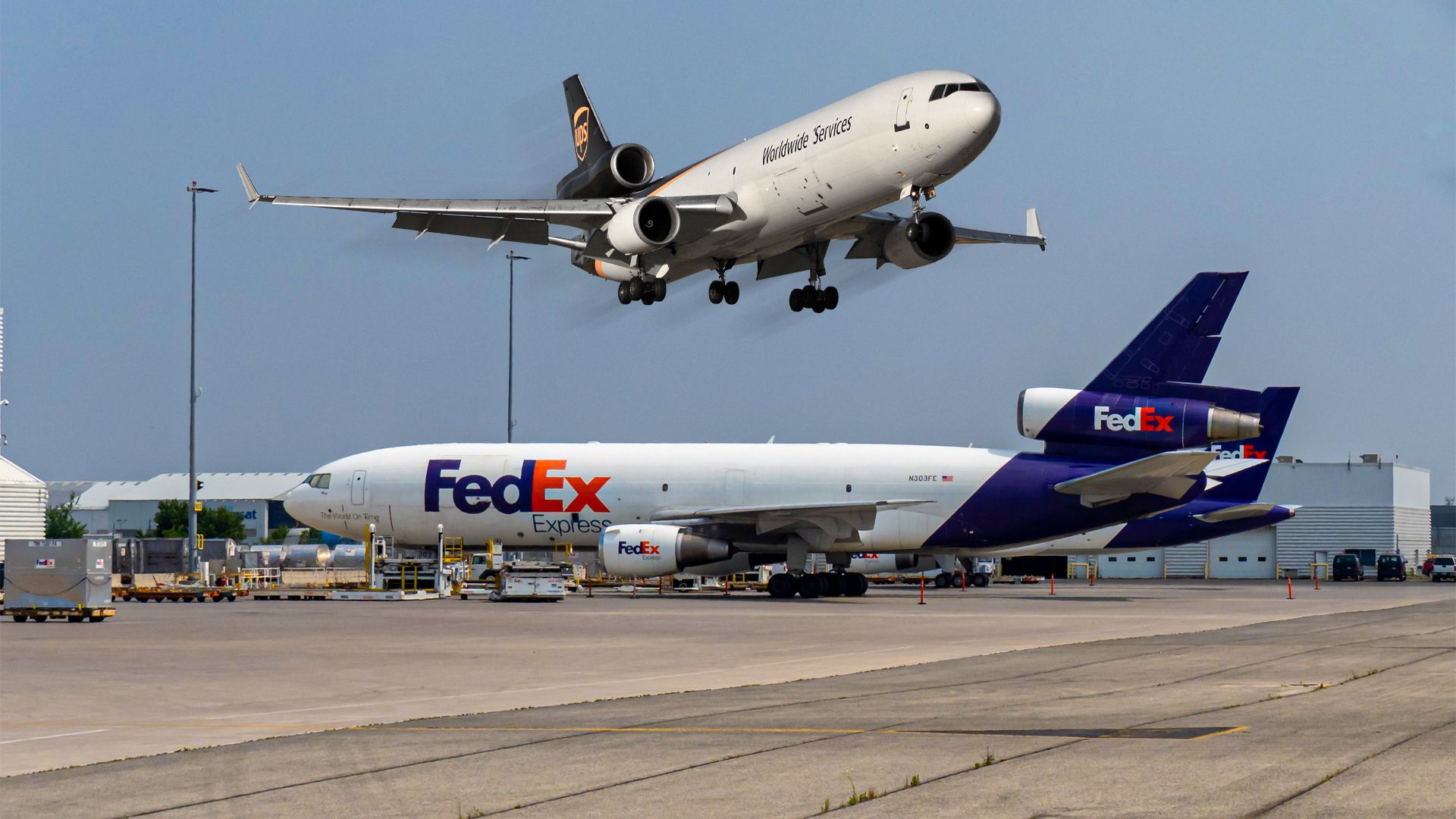
The McDonnell Douglas MD-11 and DC-10 may appear similar at first glance, with their shared trijet configuration, but a closer look reveals distinct differences in design, performance, and airline economics. Both aircraft were built for different eras of commercial aviation, reflecting the priorities of their respective development periods.
The DC-10 was developed as a widebody workhorse for the 1970s market, while the MD-11 was introduced later as a more advanced derivative intended to improve range, efficiency, and cockpit technology. These differences in focus help explain why the two aircraft have distinct legacies.
The DC-10 was the first of its kind, entering service in the early 1970s and becoming one of the most recognizable widebody trijets ever built. It served airlines worldwide in both passenger and cargo roles, forming the basis for the military KC-10 tanker. By the time McDonnell Aircraft merged with Douglas Aircraft in 1967, Douglas had already established itself as a major commercial aircraft manufacturer.
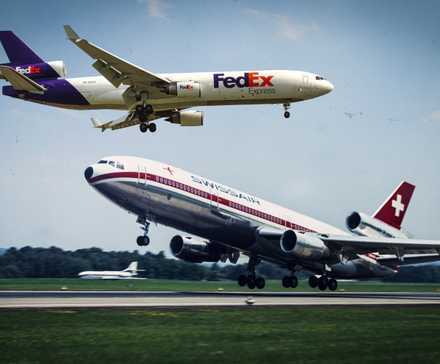
The MD-11 was launched in the 1980s as an attempt to modernize the DC-10 platform rather than create an entirely new aircraft. It featured a stretched fuselage, aerodynamic refinements such as winglets, updated engines, and a modernized two-pilot glass cockpit that eliminated the need for a flight engineer.
McDonnell Douglas aimed to keep the trijet relevant in a market rapidly becoming more competitive and technologically advanced. However, the MD-11 entered service at a challenging time, with twin-engine widebodies like the Boeing 767 and Airbus A330/777 gaining popularity.
The MD-11's design improvements were significant, but ultimately failed to overcome the shift towards more efficient and modern aircraft. Its legacy is now largely relegated to its role as a transitional model between the DC-10 and newer widebody designs.
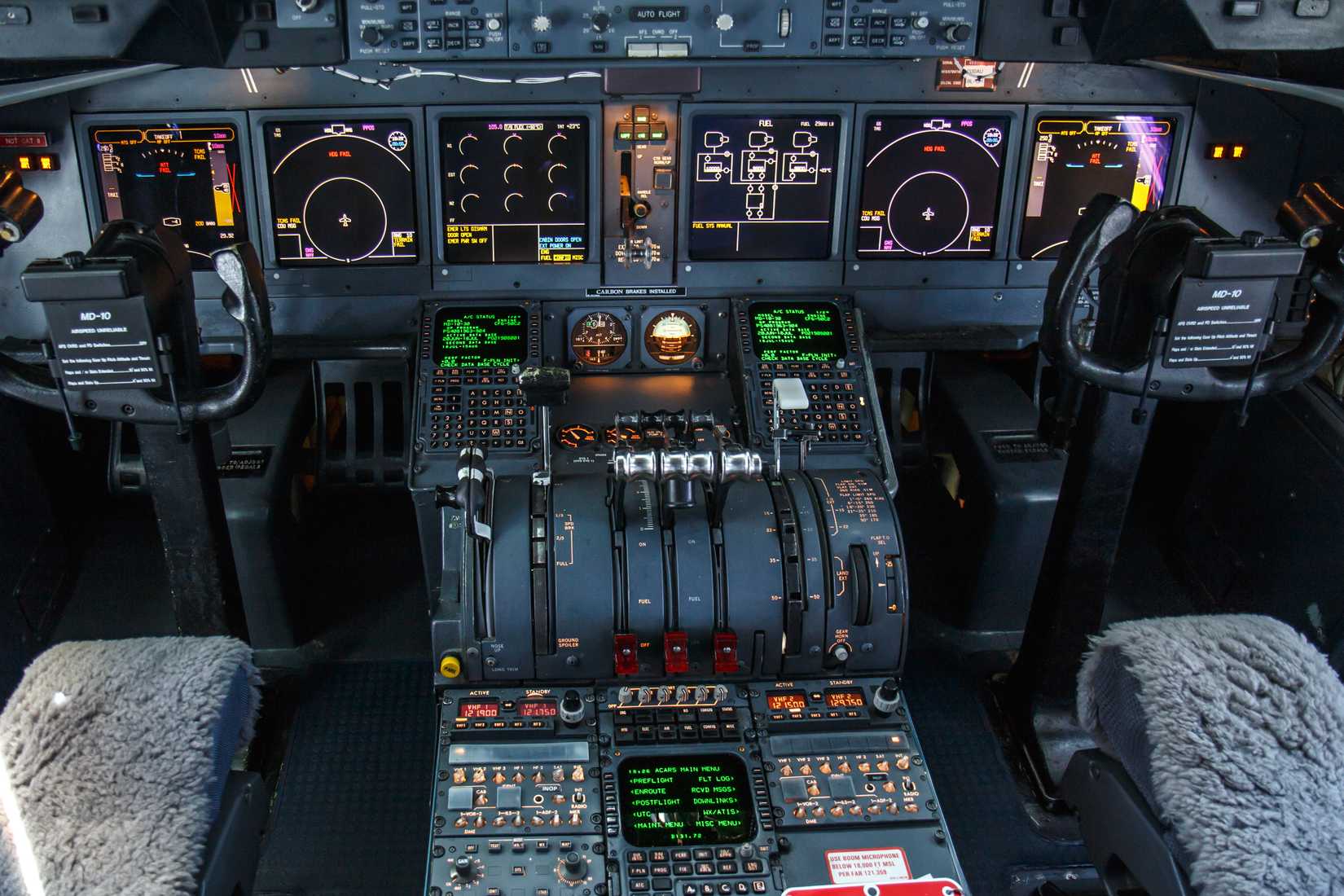
Despite their differences, both aircraft played important roles in shaping the commercial aviation landscape of their time. The MD-11's failure serves as a reminder that even well-designed aircraft can be overtaken by changing market demands and technological advancements.
The comparison between the MD-11 and DC-10 highlights the importance of adaptability in aircraft design. As airlines continually seek to improve efficiency, comfort, and technology, manufacturers must respond with innovative solutions to remain competitive.
In conclusion, the MD-11 and DC-10 represent two distinct eras in the evolution of widebody trijets. While both aircraft have their place in history, they also underscore the need for ongoing innovation and adaptation in the pursuit of excellence in commercial aviation.
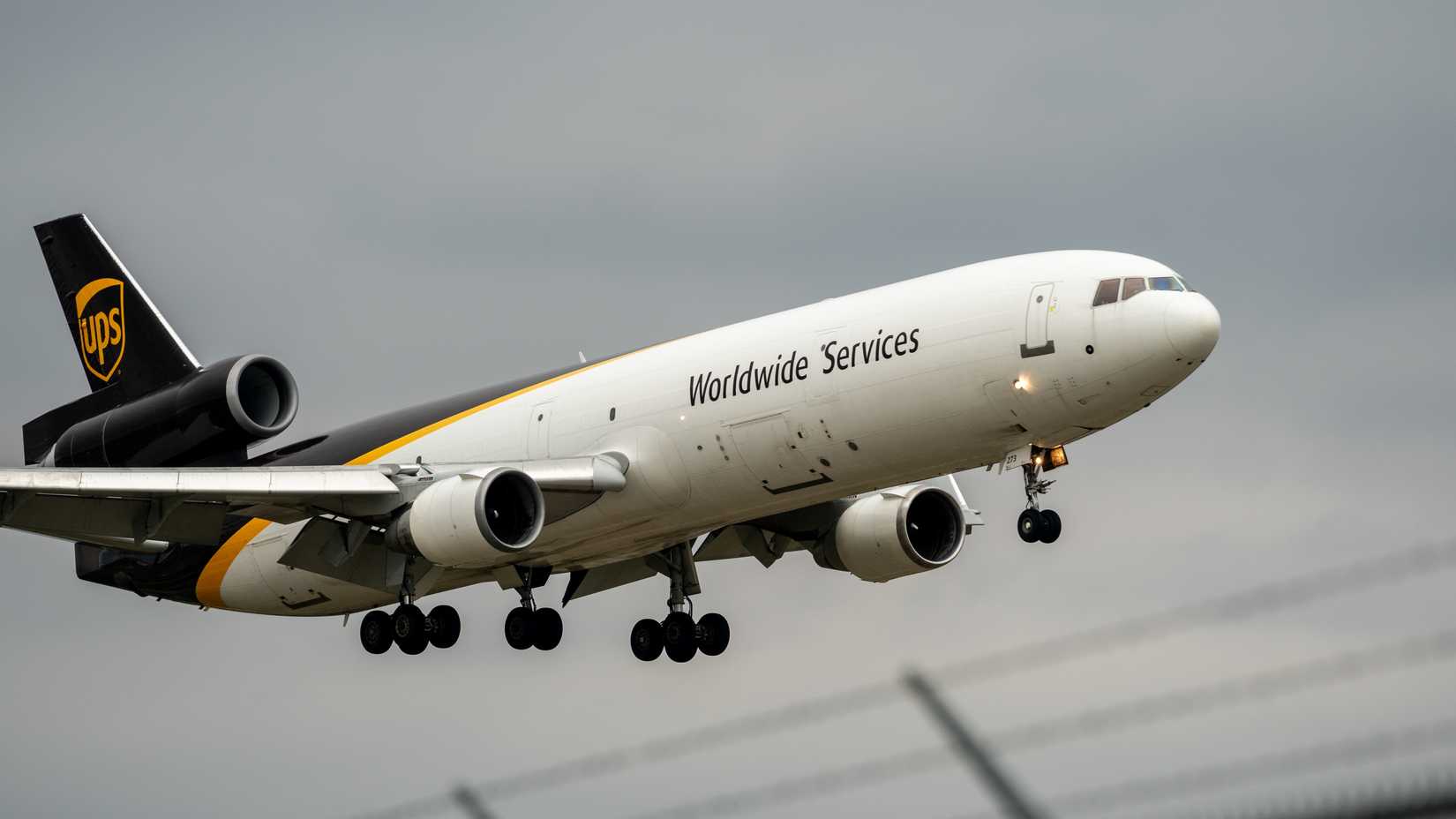
The MD-11's advanced design and technology aimed to revitalize the trijet market, but ultimately succumbed to changing airline demands for more efficient and technologically advanced aircraft.