
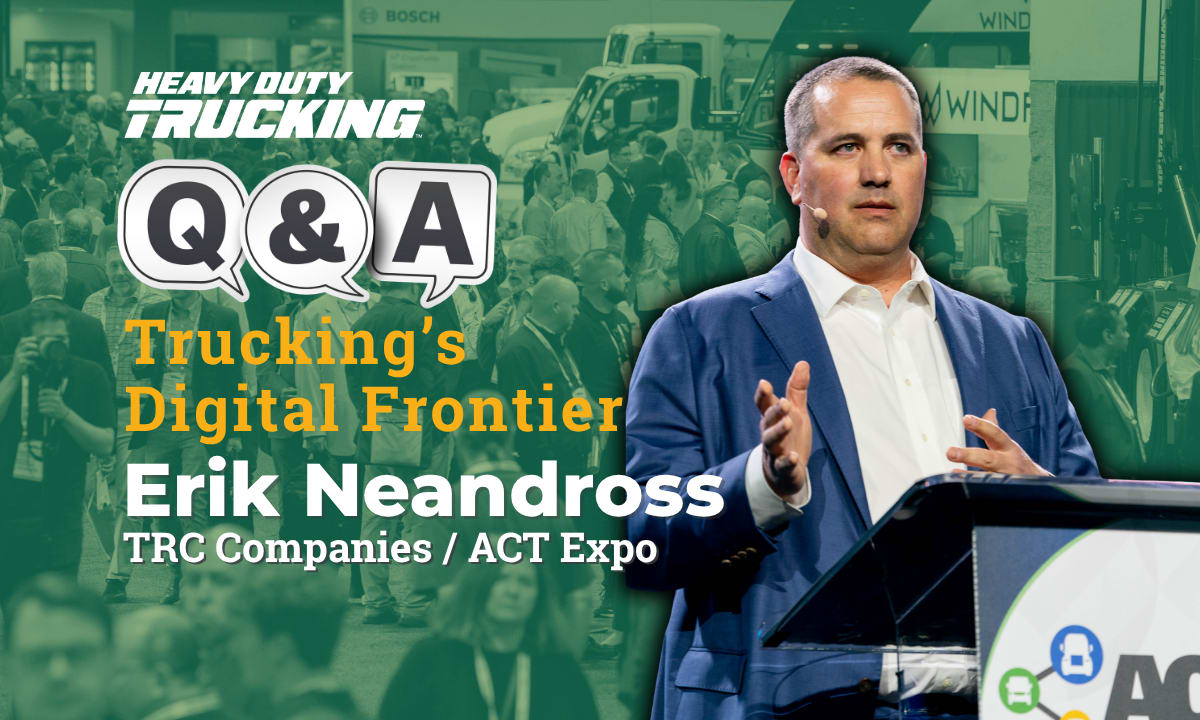
The 2026 ACT Expo is focusing heavily on the digital frontier in trucking, with artificial intelligence, zero-emission vehicles, and connected vehicle platforms taking center stage. This shift marks a significant departure from the traditional mechanical focus of the industry. As Erik Neandross, president of TRC's Clean Transportation Group, notes, the commercial fleet sector has been forever focused on mechanics, but is now entering a digital transformation era.
The challenge for many trucking operations lies not in a lack of innovation, but rather in understanding what technologies are practical and deliver a return on investment. With the recent policy shifts towards zero-emission vehicles and diesel emissions, fleets must navigate this new regulatory landscape while also embracing advanced technologies like AI and electric trucks.
Artificial intelligence is being integrated into various aspects of trucking operations, from predictive maintenance systems to in-cab safety cameras. Electric truck adoption is recalibrating around cost and product capability rather than mandates, as fleets seek to balance the benefits of alternative fuels with the need for reliable and efficient vehicles.
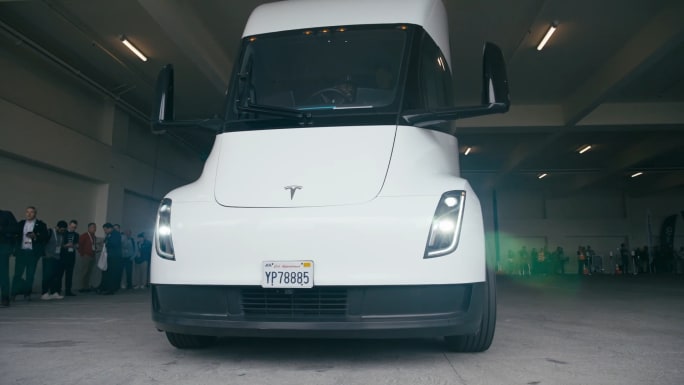
The use of AI in real-world applications is becoming increasingly prevalent among trucking fleets. By leveraging predictive maintenance systems and connected vehicle platforms, fleets can optimize their operations and reduce downtime. However, this requires a careful assessment of what technologies are most effective and how they can be integrated into existing workflows.
As the industry continues to accelerate towards a digital transformation, it's essential for fleets to prioritize practical applications over innovation for a return on investment. This means carefully evaluating the benefits and drawbacks of each technology and selecting solutions that align with their specific needs and goals.
The recent policy shifts towards zero-emission vehicles and diesel emissions are creating new opportunities for electric trucks and alternative fuels. However, these changes also present challenges for fleets, who must navigate changing regulations and balance the need for sustainable practices with the demands of a complex logistics network.
Connected vehicle platforms are generating more data than most fleets know what to do with, presenting both opportunities and challenges. As fleets continue to adopt advanced technologies, they must develop strategies for managing and leveraging this data to optimize their operations and improve safety.
The commercial fleet sector is at the forefront of a technological revolution, with AI, electric vehicles, and connected vehicle platforms driving innovation and transformation. As Erik Neandross notes, the industry is entering a new era of digital transformation, one that requires careful planning and strategic decision-making.
As we look to the future, it's clear that the trucking industry will continue to evolve and adapt to changing technologies and regulations. By prioritizing practical applications and carefully evaluating the benefits and drawbacks of each technology, fleets can navigate this complex landscape and emerge as leaders in the digital frontier.
Ultimately, the success of advanced truck technology will depend on the ability of fleets to effectively integrate these solutions into their operations and make data-driven decisions that drive efficiency and sustainability. By doing so, they can unlock the full potential of these technologies and position themselves for long-term success in a rapidly changing industry.
The commercial fleet sector is facing a rapid acceleration of advanced technologies, requiring fleets to prioritize practical applications over innovation for a return on investment.