

The Strait of Hormuz, a critical maritime chokepoint, has been the focal point of tensions between Iran and other nations in recent months. In a move that has sent shockwaves through the shipping industry, Iranian authorities have begun enforcing new controls over vessels transiting the waterway. The 'permission-to-transit' system, which was previously announced by Iran, appears to be conditional on compliance with specific procedures, leaving commercial operators scrambling to adapt to the changing landscape.
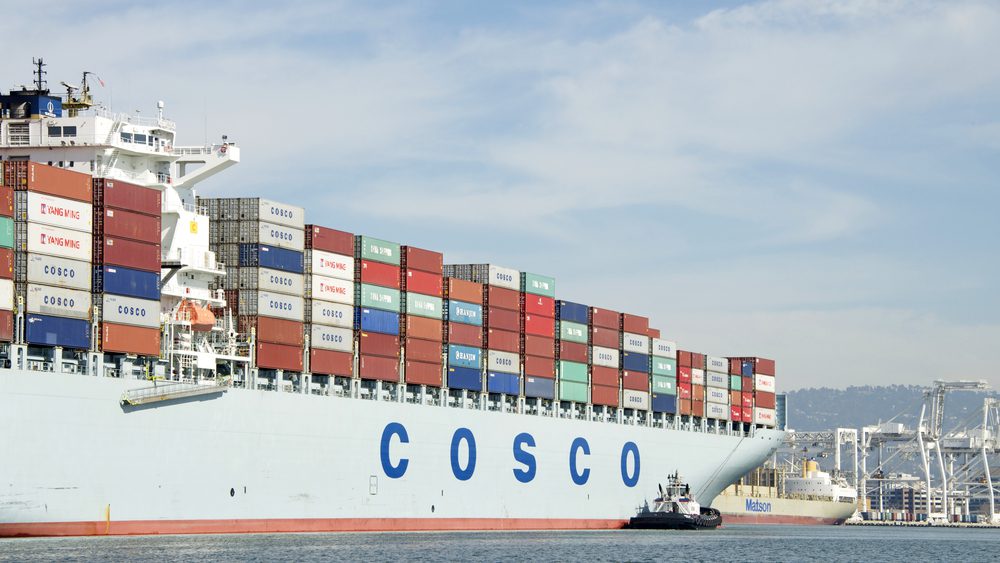
The latest incident involved two ultra-large container vessels (ULCVs) operated by China's COSCO, which attempted to transit the Strait but were forced to reverse course after failing to meet Iranian requirements. The vessels, CSCL Indian Ocean and CSCL Arctic Ocean, had been waiting near the UAE coast off Dubai before making their move. Their decision to turn back suggests that access to the Strait may now be subject to selective controls.
The 'permission-to-transit' system is a departure from Iran's previous claims of establishing a 'safe' shipping corridor in March. While the new regime may provide some assurances for vessels operating within approved frameworks, it also introduces significant uncertainty for operators who must weigh security risks against the possibility of denied passage. The waters in the Gulf are now effectively becoming a holding area rather than a functioning transit corridor.

The implications of this development are far-reaching, with approximately 470,000 TEUs currently stranded as operators hesitate to commit vessels without assurances that safe passage can be guaranteed. This trend is likely to have significant knock-on effects for global trade and energy security, which rely heavily on the Strait of Hormuz for the transportation of oil and other vital goods.
The Chinese government has expressed its concerns about the situation, with Director of the Foreign Ministry Information Department Lin Jian stating that China would not escort its vessels to ensure safe passage. Instead, he emphasized the importance of implementing a ceasefire and promoting a political settlement to resolve the conflict.
China's position on the Middle East conflict is consistent in highlighting the risks associated with continued tension and military confrontation. The pressing priority, according to Lin Jian, should be to prevent further escalation and promote dialogue rather than relying on force. However, this approach may not necessarily address the underlying concerns of commercial operators who require assurances about safe passage.
The Strait of Hormuz's new 'permission-to-transit' regime poses significant challenges to global trade and energy security. The introduction of selective controls and conditional access raises questions about the long-term viability of the waterway as a critical maritime chokepoint. As tensions in the region continue to simmer, it remains to be seen how this development will impact the shipping industry's ability to navigate the Strait.
The situation highlights the need for greater cooperation and understanding between nations to address the complex security challenges facing the world's most critical maritime trade routes. The 'permission-to-transit' system may provide some short-term benefits but also introduces significant risks and uncertainties that must be carefully managed.
As the global shipping industry grapples with the implications of this new regime, it is essential to prioritize transparency, cooperation, and dialogue in addressing the complex security challenges facing the world's most critical maritime trade routes. The future of the Strait of Hormuz as a vital international shipping lane for global trade and energy security hangs in the balance.
The Strait of Hormuz's new 'permission-to-transit' regime poses significant challenges to global trade and energy security.