


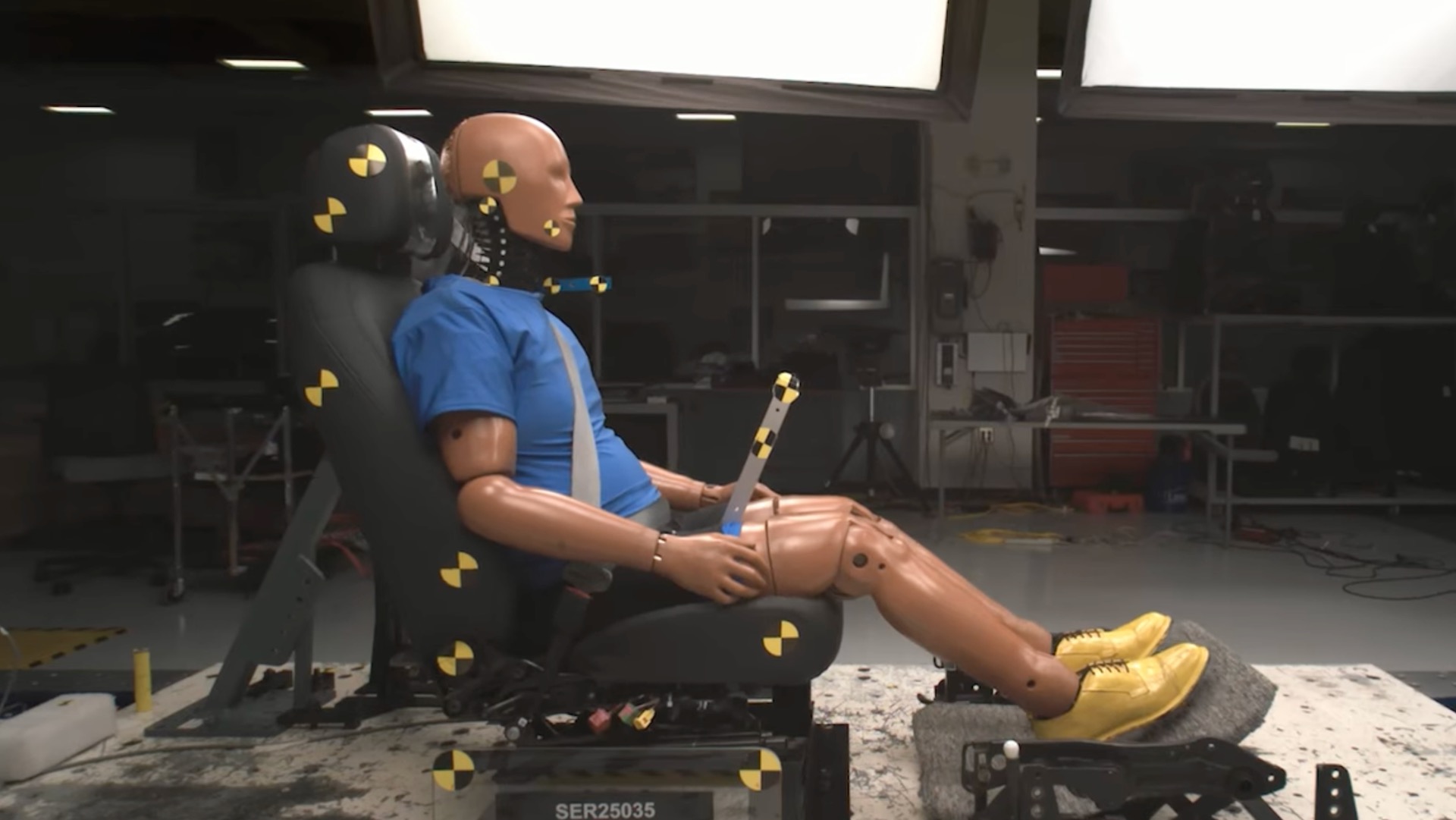
The Insurance Institute for Highway Safety (IIHS) has introduced a new whiplash prevention test that aims to reduce neck strains and sprains in the United States. The test, which simulates a rear impact at speeds of up to 30 mph, evaluates seats and head restraints for their ability to prevent whiplash injuries.
By analyzing data from crash-test dummies and injury-claim records, the IIHS has identified key criteria that determine the effectiveness of these safety features. In its first round of testing, the IIHS evaluated 18 small SUVs and found that some models performed significantly better than others in preventing whiplash injuries.
The new test is designed to address the most likely causes of neck strains and sprains, which are the most frequently reported injuries in United States auto insurance claims. By improving seat designs and head restraints, the IIHS hopes to reduce the number of whiplash-related injuries on the roads.
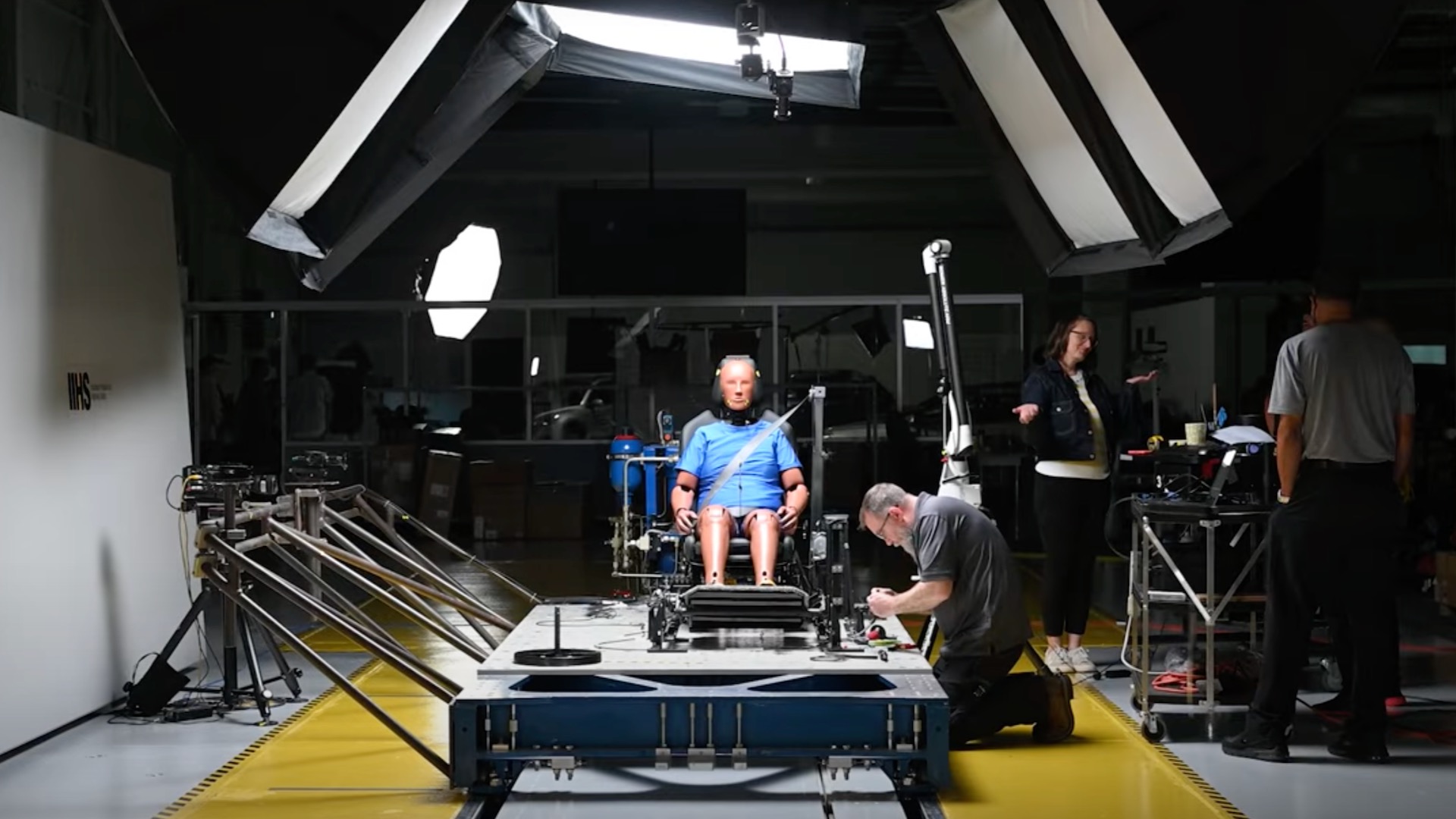
The new test also highlights the importance of adjusting head restraints to ensure they are as close to the occupant's head as possible. With its ability to treat safety as a moving target, the IIHS is well-positioned to drive innovation in the automotive industry and push automakers to develop safer cars.
The results of this new test will be crucial in determining which vehicles can help prevent whiplash injuries and save lives on the roads.
The introduction of this new whiplash prevention test is a significant step forward in reducing neck strains and sprains, which are a major concern for drivers and passengers. By incorporating more stringent criteria into its testing process, the IIHS is helping to drive innovation in the automotive industry and push automakers to develop safer cars.