

Touchscreens are taking over dashboards, but not everyone is thrilled about it. Kia, for one, isn't pretending it's a settled matter. Instead of picking sides, the company is staking out a middle ground.
Screens will keep expanding, but physical buttons aren’t going anywhere. Kia wants to offer both together in a way that pleases customers on both sides of the divide. The goal, according to interior design chief Jochen Paesen, isn't novelty for novelty's sake, but usability.
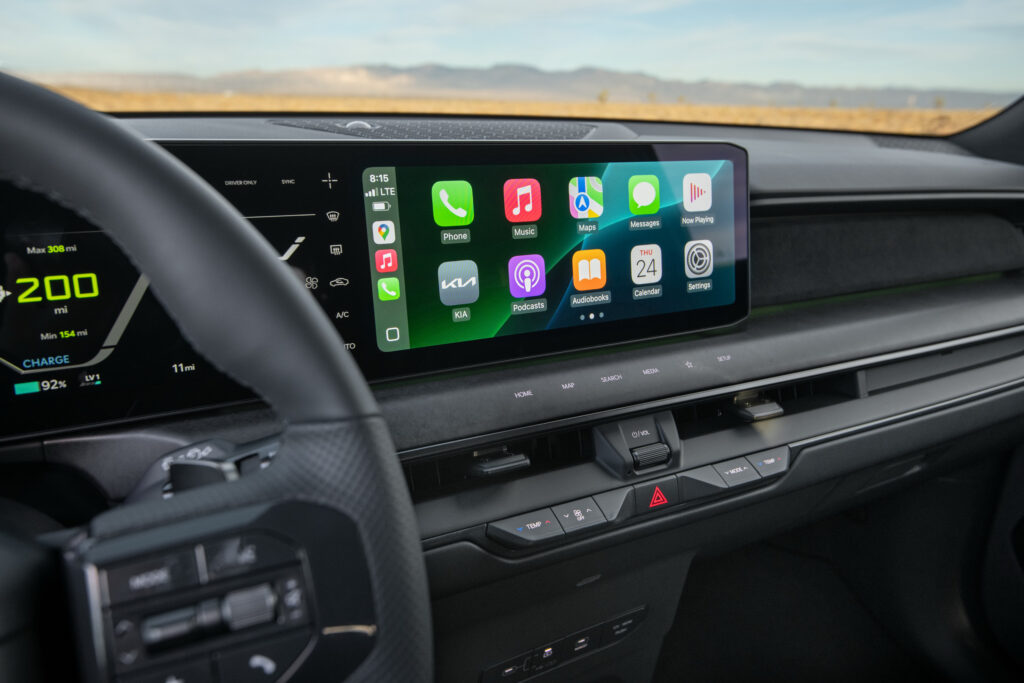
Essential controls stay physical, while the brand is building on that foundation to expand the 'digital and experiential component' of its cabins. Kia's current switchable haptic panel works better than some implementations, but it still introduces unnecessary friction. Future interfaces should shift from being tools that drivers must learn to systems that actively reduce steps and mental load.

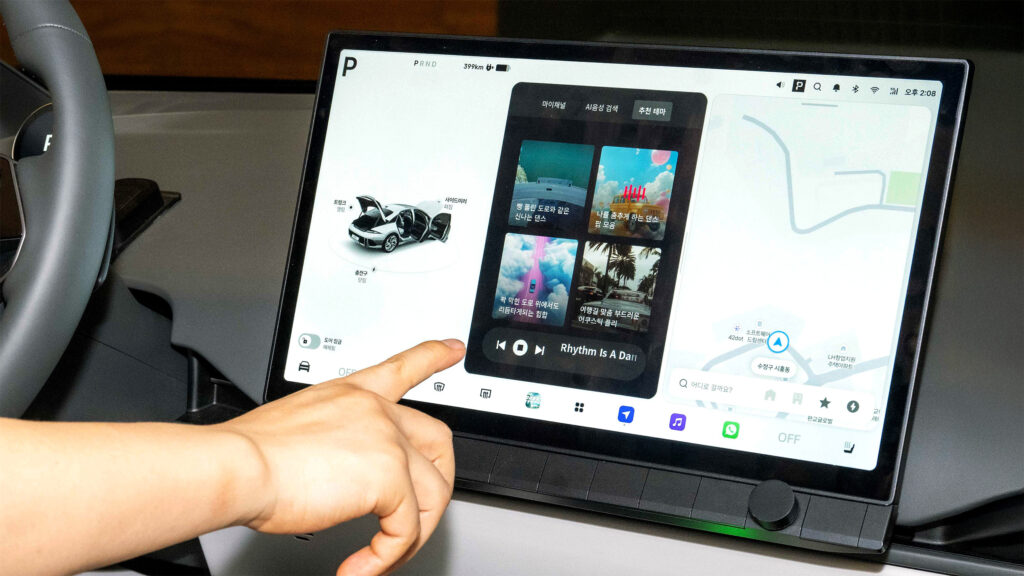
Newer Chinese rivals have pushed the boundaries with features no one asked for, sometimes impressively so. Kia's upcoming software platform might help solve all those issues. The new Pleos Connect infotainment system paired a larger display with a generous row of physical buttons underneath, blending both types of control.
Kia is taking a balanced approach to its interior design, blending larger screens and expanded software features with real, tactile controls for essential functions. This blend of technology and simplicity could be the key to pleasing customers on both sides of the divide. By offering both touchscreen and physical button options, Kia is acknowledging that drivers have different preferences when it comes to their car's infotainment system.
The brand is also recognizing that its global reach demands a more universal approach, which is reflected in its design philosophy. Kia's focus on usability and user experience could be the key to success in the competitive automotive market. By prioritizing simplicity and ease of use, Kia is positioning itself for long-term success and customer satisfaction.
Kia's approach to interior design is a step in the right direction, acknowledging that drivers have different preferences when it comes to their car's infotainment system. By offering both touchscreen and physical button options, Kia is providing customers with more flexibility and control over their driving experience.