

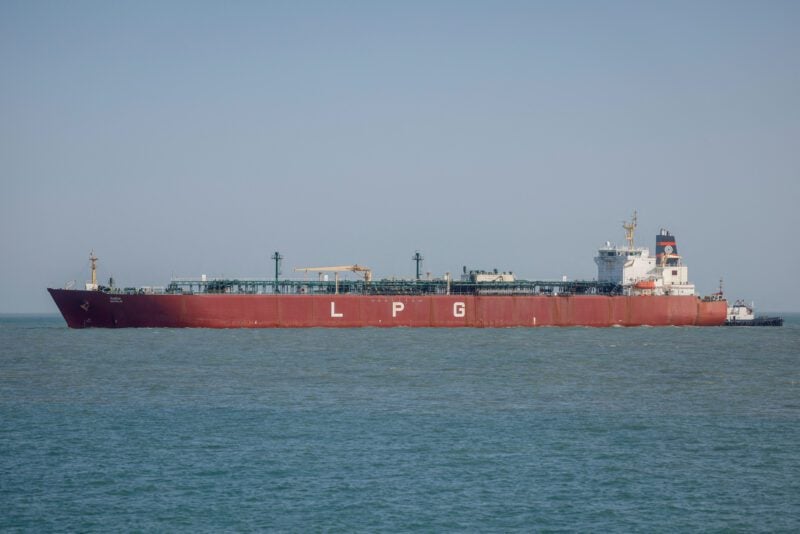
Two India-bound liquefied petroleum gas tankers have safely transited the Strait of Hormuz, marking a significant shift in the region's maritime trade. The carriers BW Tyr and BW Elm are carrying approximately 94,000 metric tons of cooking gas and are expected to arrive in Mumbai on March 31 and New Mangalore on April 1 respectively.
The recent U.S.-Israeli war against Iran has led to a significant reduction in shipping through the strait, with many vessels opting for alternative routes. However, Iranian authorities have indicated that non-hostile vessels may transit the waterway if they coordinate with them.
This latest development is a welcome relief for India, which relies heavily on imports of liquefied petroleum gas (LPG) to meet its energy demands. The country's LPG imports account for about 60% of its total demand, with the majority coming from the Middle East.
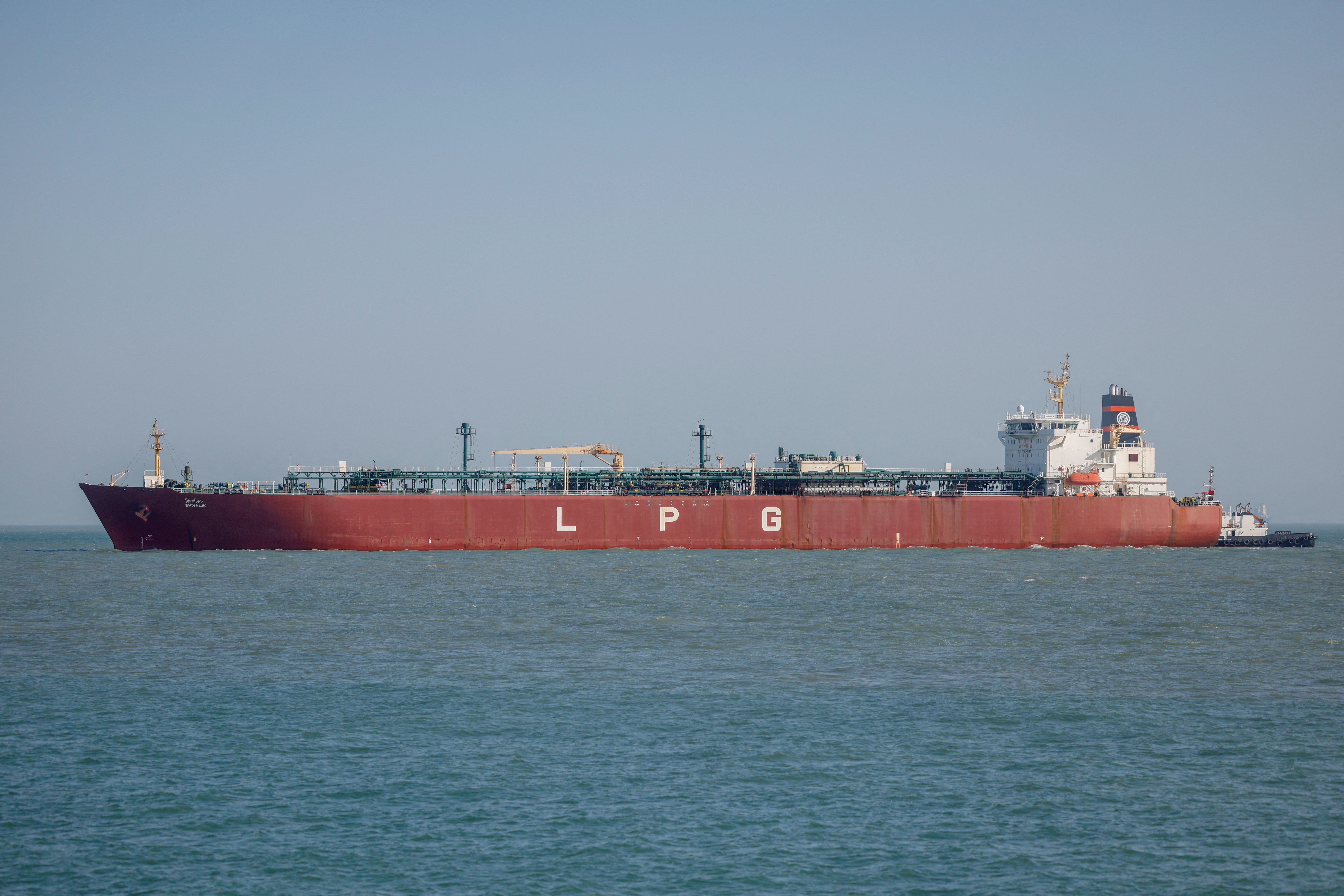
The resumption of shipping through the Strait of Hormuz is expected to boost trade between India and the region, but it also raises concerns over security and insurance costs. As a result, many shipowners are opting for alternative routes or adjusting their cargo plans accordingly.
Four LPG tankers have already successfully completed the crossing, while three more vessels remain in the western section of the strait. A total of 18 Indian-flagged vessels with 485 Indian seafarers are still in the western Gulf region, according to government data.
The government has assured that port operations across India remain normal, with no congestion reported. This is a significant relief for the country's shipping industry, which relies heavily on efficient logistics and supply chain management.

India's reliance on LPG imports highlights the importance of secure and reliable shipping routes in meeting its energy demands. The country's LPG consumption has been steadily increasing over the years, driven by growing demand from various sectors.
The resumption of shipping through the Strait of Hormuz is a significant development for the region's maritime trade, but it also underscores the need for greater cooperation and coordination between nations to address security concerns.
As the situation in the region continues to evolve, it remains to be seen how this latest development will impact global energy markets and trade patterns.
The resumption of shipping through the Strait of Hormuz marks a significant development in the region's maritime trade, but concerns over security and insurance remain.