



Progressive foundations have long been associated with supporting think tanks that promote progressive values and policies. However, recent developments suggest that this trend may be coming to an end. The Breakthrough Institute, once seen as a pro-technology and modernization organization, has shifted its focus towards being a contrarian voice in the climate debate. This shift raises questions about the role of progressive funders in supporting think tanks with increasingly polarized views.
The Breakthrough Institute's recent actions have sparked concerns among progressive funders. The think tank filed an amicus brief against a climate lawsuit challenging Trump administration actions, which some see as a clear example of its drift towards being a small, donor-sheltered platform defined more by antagonism than problem-solving. This move has led to a reevaluation of the institute's commitment to promoting technological solutions to environmental and human development challenges.
The institute's recent record suggests that it is increasingly against things rather than for things. It has taken positions against climate hawks, climate litigation, renewables favoritism, Democratic climate policy, environmental proceduralism, and former collaborators who stayed inside mainstream climate and energy analysis. This pattern of behavior raises concerns about the think tank's ability to provide constructive criticism and challenge weak arguments.
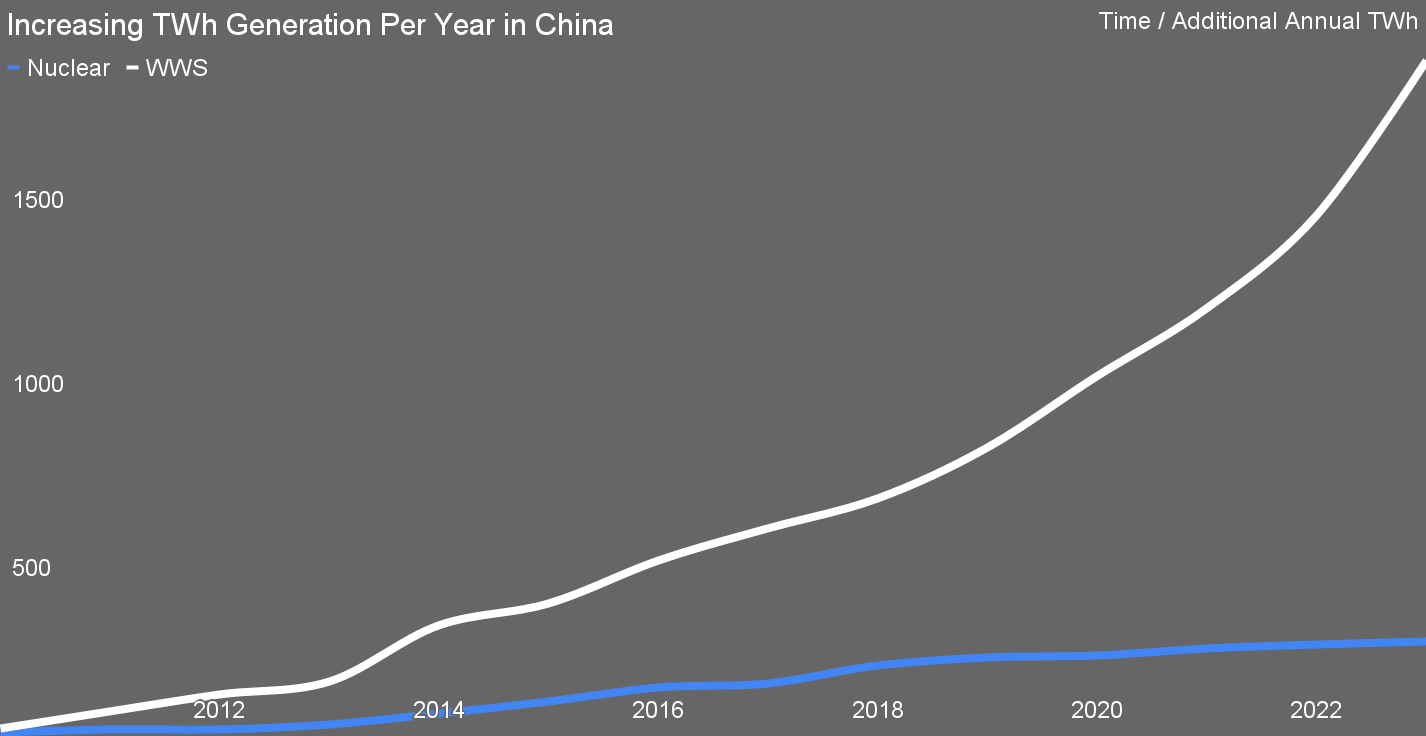
The amicus brief is not an outlier; it is a clean expression of a broader turn. The Breakthrough Institute's increasing hostility towards its former allies and critics has created a sense of unease among progressive funders. They may be wondering whether their support for the think tank is still justified given its shifting priorities.
One possible explanation for this shift in focus is benign neglect. As a small grantee, Breakthrough may not have received sufficient attention from its progressive funders. The institute's public filings show that it has only $7.54 million in revenue and $5.54 million in expenses. This minor line item may be running on autopilot for years if the institution remains respectable enough.
Another explanation is institutional lag. Breakthrough still describes itself as an organization that promotes technological solutions to environmental and human development challenges. However, its public output has become more hostile, more personal, and more aligned with the political priorities of the anti-climate coalition. Donors who remember the older Breakthrough story may still think that is the institution being funded, even as the public output has shifted.
The increasing polarization in think tanks highlights the need for a critical evaluation of their role in shaping public discourse. Progressive funders must reassess their support for organizations like the Breakthrough Institute and consider whether their values align with those of the think tank. This reevaluation is essential to ensure that progressive funding supports constructive criticism and problem-solving rather than antagonism and polarization.
The future of progressive foundations and their relationship with think tanks like the Breakthrough Institute remains uncertain. As the climate debate continues to evolve, it is crucial for funders to prioritize critical thinking and evaluation when supporting organizations that claim to promote progressive values and policies.
In conclusion, the shift in focus at the Breakthrough Institute raises important questions about the role of progressive funders in shaping public discourse. By reassessing their support for think tanks like this one, progressive foundations can ensure that their funding promotes constructive criticism and problem-solving rather than antagonism and polarization.
The increasing polarization in think tanks highlights the need for a critical evaluation of their role in shaping public discourse.