
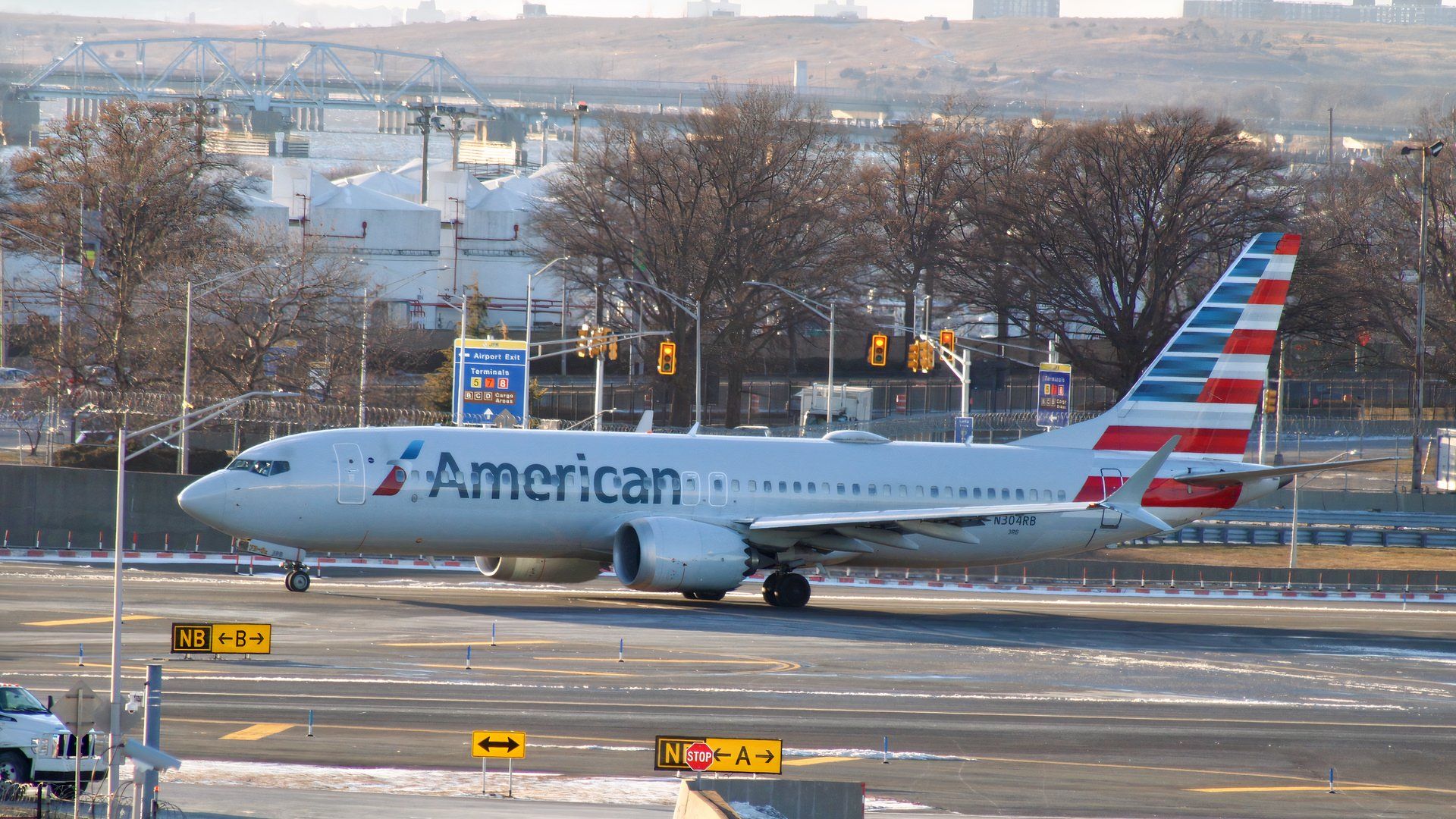
An American Airlines Boeing 737 MAX 8 was forced to divert to Detroit Metropolitan Wayne County Airport after a disruptive passenger incident on board. The flight was enroute from John F. Kennedy International Airport to Chicago O'Hare International Airport when the disturbance occurred, prompting the crew to make a precautionary landing. This type of diversion is relatively rare compared to technical issues, but it poses significant operational challenges for airlines.
The incident occurred earlier on Sunday and prompted a law enforcement response upon arrival. The FBI is now investigating the situation, although specific details about the passenger remain limited. While diversions due to passenger behavior are becoming increasingly common, they continue to pose a challenge for airlines in terms of safety, coordination with authorities, and operational efficiency.
The aircraft involved was a 737 MAX 8, a key part of American's narrowbody fleet used on busy domestic routes. During the flight, one passenger reportedly caused a disturbance with threats serious enough that the crew requested a diversion. The pilots decided to land in Detroit, where law enforcement could respond quickly and effectively.
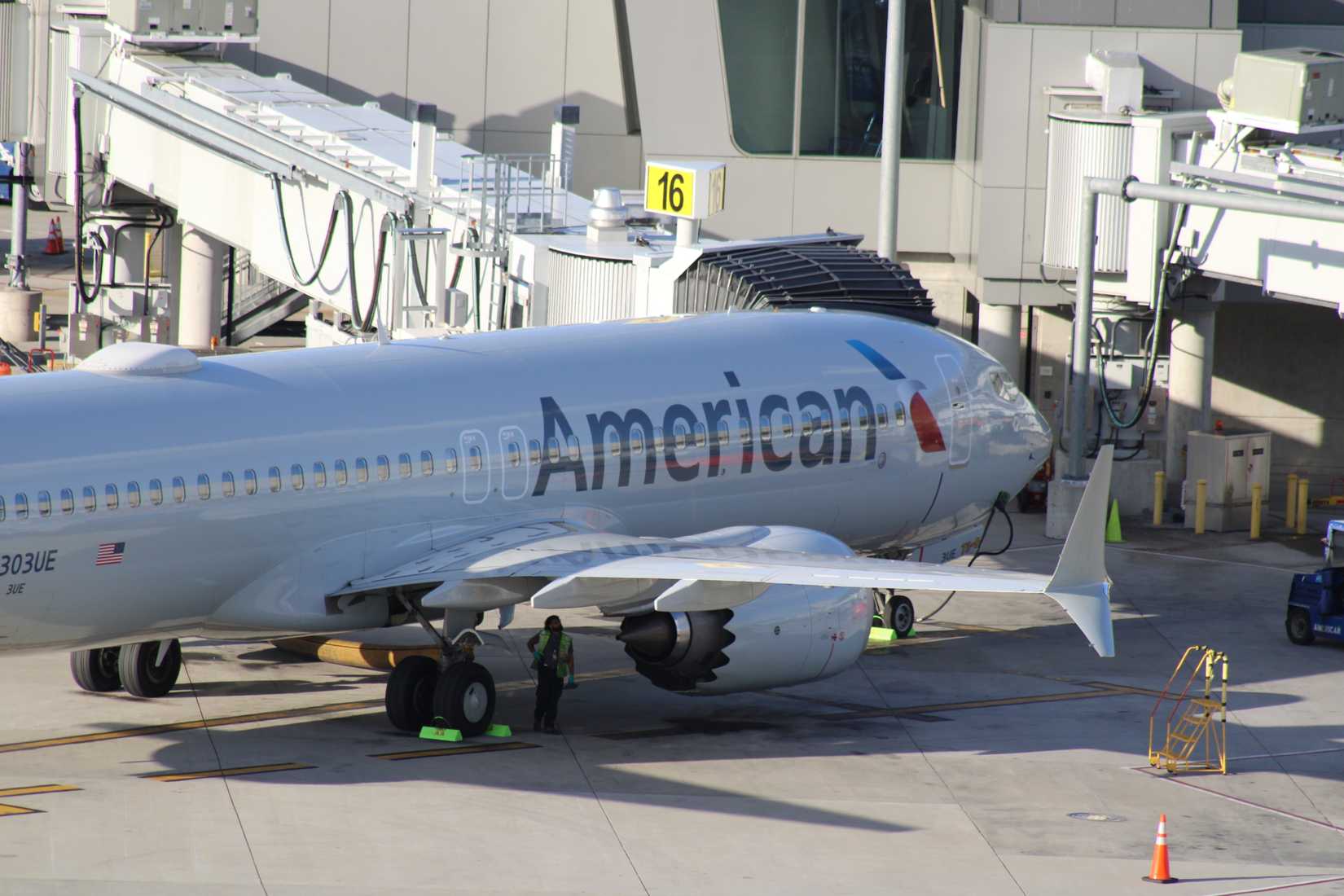
Upon arrival, the aircraft was met by authorities, including the FBI, who are now investigating the incident. Importantly, all passengers were deplaned following the landing, indicating the seriousness of the situation and the need for a full security response. After the disruptive individual was removed, the aircraft was expected to continue its journey later in the afternoon, following the necessary checks and coordination.
Although exact details surrounding the passenger's identity and behavior have not been publicly disclosed yet, such incidents typically fall under interference with crew duties. Flight crews are trained to assess threats quickly, and diversion decisions are made when onboard safety or order cannot be maintained. In this case, the decision to divert suggests the situation had escalated beyond what could be managed in flight.
Diversions can be costly and disruptive, affecting not only the flight in question but also wider airline operations. They require additional fuel, ground handling, and often lead to delays for passengers and crew. Despite these challenges, airlines consistently emphasize that safety overrides all operational considerations.
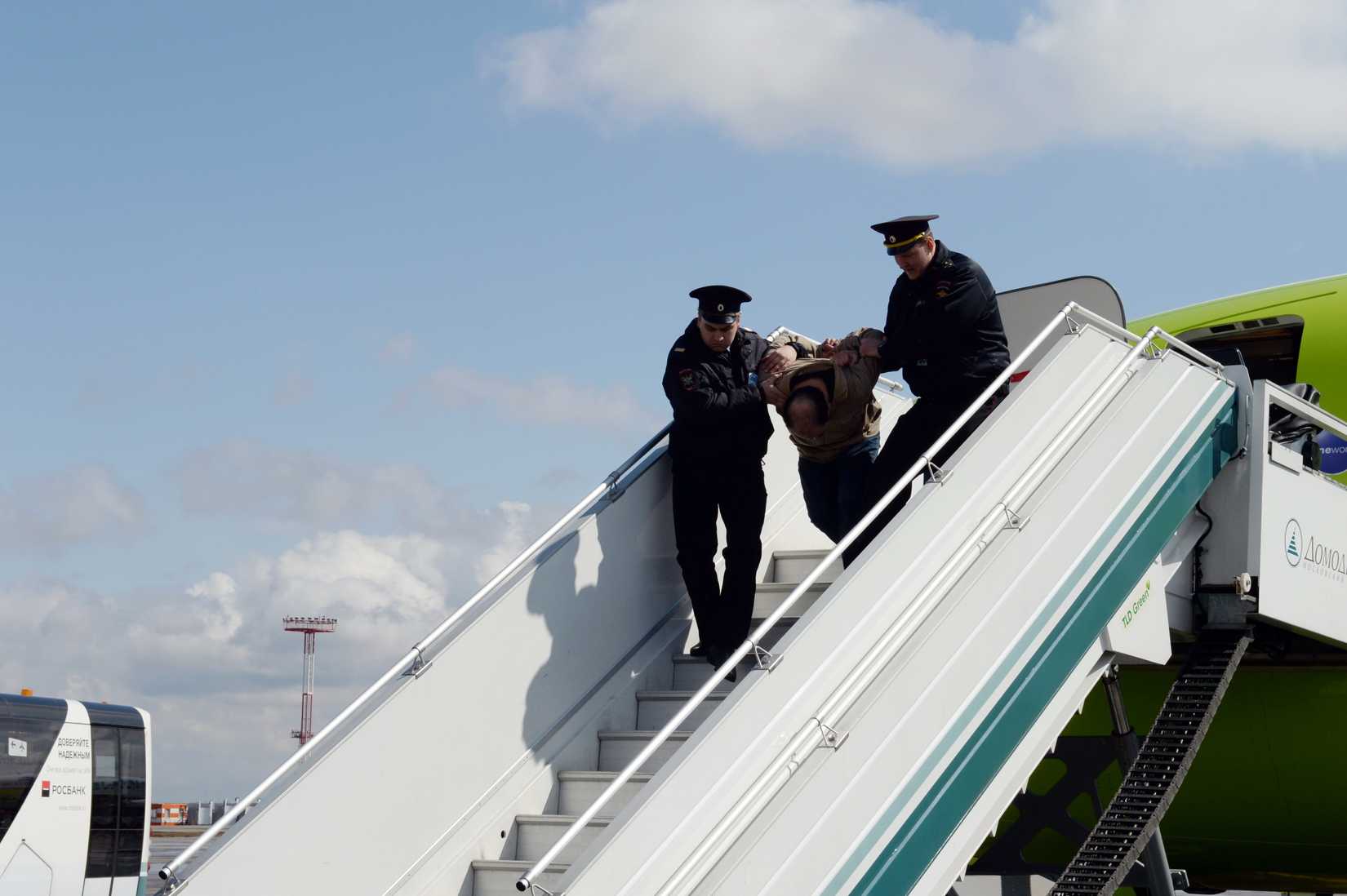
The involvement of federal authorities highlights the seriousness of unruly passenger incidents in the United States. The Federal Aviation Administration (FAA) has adopted a strict stance, referring the most severe cases to the FBI for potential criminal prosecution. In recent years, thousands of such incidents have been reported, with penalties including heavy fines and possible jail time.
The incident serves as a reminder that airline safety is a top priority, and airlines must be proactive in addressing passenger behavior issues. The FAA's efforts to combat unruly passengers are crucial in maintaining public trust and ensuring the safety of all air travelers.
As the aviation industry continues to evolve, it will be essential for airlines to develop strategies for managing passenger behavior and preventing such incidents from occurring in the future. This may involve increased training for flight crews, improved passenger screening processes, or enhanced security measures on board aircraft.
Airline safety is a top priority, and incidents like this highlight the need for effective passenger management.