

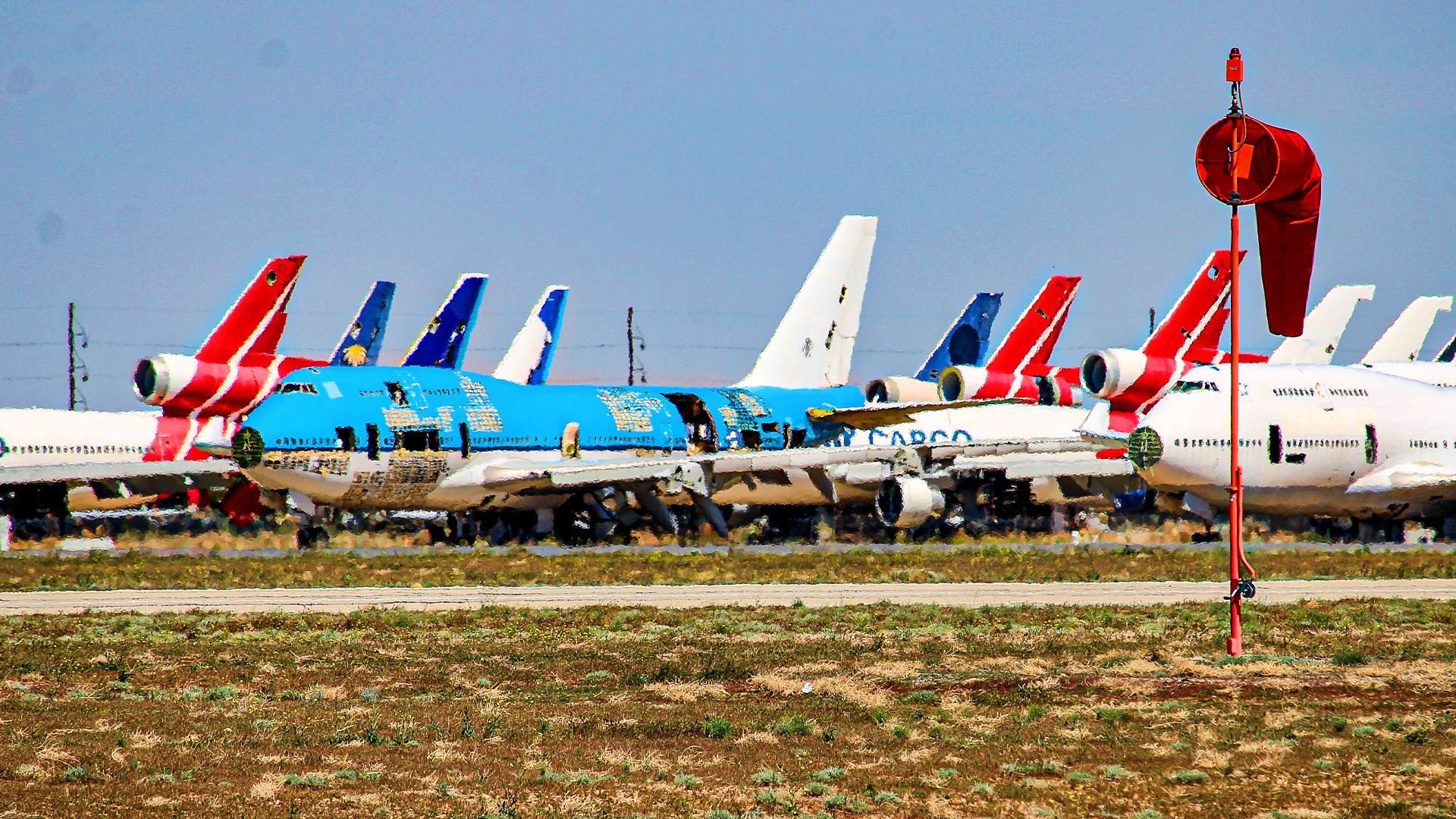
A commercial jet's lifecycle does not simply end when it is removed from a carrier's active schedule. The fate of these multi-million dollar machines is often seen as a mystery, yet understanding the retirement process is essential for grasping the true sustainability and economic scale of the aviation industry as a whole. This guide explains the complex journey an aircraft takes after its final commercial touchdown, from the arid storage tracks of the desert to the high-tech recycling facilities that salvage its most valuable components. The retirement of a jet is a massive undertaking and involves several stages, often dictated by the D-Check, the most intensive maintenance overhaul, or fluctuating fuel and carbon emissions costs.
The speed of these retirements has increased recently as airlines prioritize younger, more efficient fleets. This article will clarify the distinction between temporary storage and permanent scrapping, while exploring the creative second lives these airframes find in industries far removed from the runway. The immediate priority is the removal of the engines and high-value avionics, which can often be worth more than the rest of the airframe combined.
Once stripped of these critical parts, the fuselage either waits for a secondary buyer in the cargo or charter market or gets picked up by a recycling firm or salvage company. This process is remarkably efficient, with modern dismantling teams able to recover around 90% of a plane's weight for reuse or recycling.
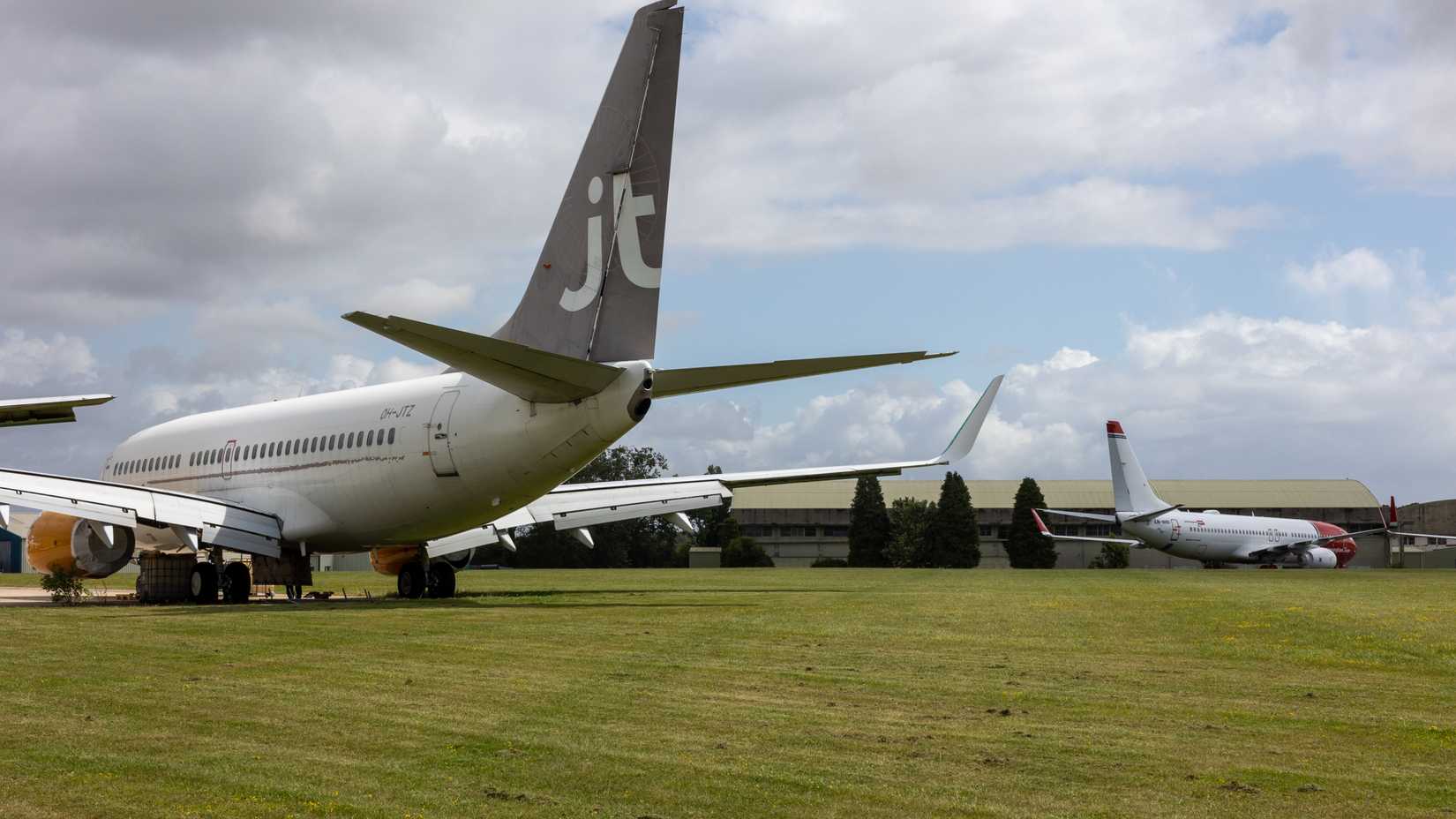
In the past, aircraft were often left to rot in remote fields, but today’s environmental regulations and the high value of aerospace-grade aluminum have turned retirement into a sophisticated industrial sub-sector. By the time a plane reaches this stage, it has usually logged between 20 and 30 years of service, carrying millions of passengers across the globe.
The speed of this transition has accelerated significantly in recent years, naturally due to increased focus on modernizing fleets. Widebody jets like the Boeing 747 were once the primary residents of boneyards, but we are now seeing a surge in middle-aged narrowbodies like the Airbus A320. This shift is driven by the rapid advancement of engine technology because if a newer model can save 15% on fuel, the older airframe becomes an economic liability almost overnight, regardless of its mechanical health.
An aircraft's age in years is often less important than its cycles , or the number of times it has been pressurized and depressurized. A short-haul jet that flies six times a day will reach its structural fatigue limits much faster than a long-haul widebody that only flies once every 24 hours.
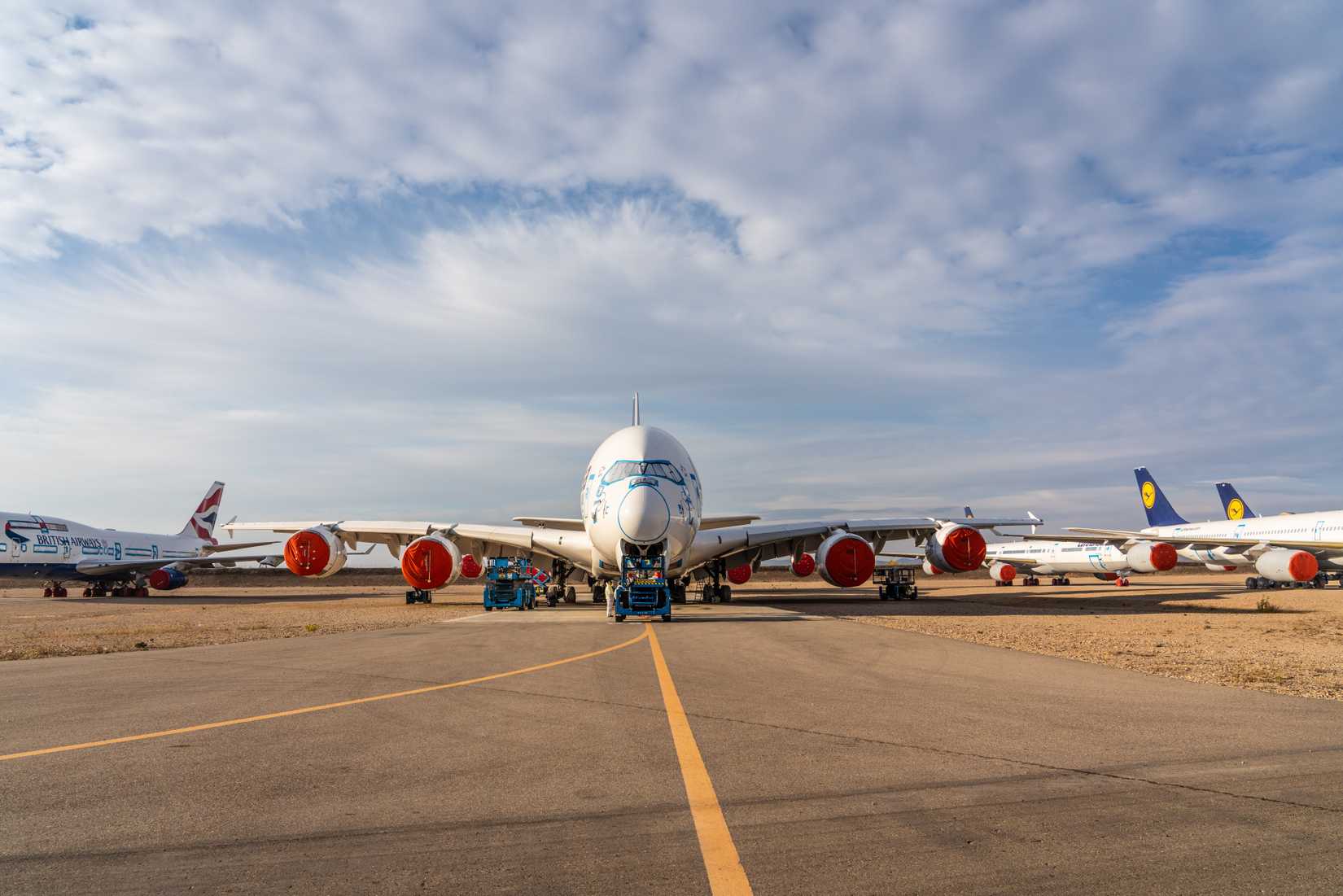
An aircraft sitting on the ground is never going to make money for airlines, and so it becomes inevitable that these regularly used airframes are retired. The retirement of a jet is not just about scrapping or storing an old plane; it's also about finding new uses for its valuable components.
The recycling industry has become a significant player in the aviation sector, with companies specializing in dismantling and reusing aircraft parts. As the demand for sustainable practices grows, so does the importance of understanding the complex process of aircraft retirement.
As the aviation industry continues to prioritize sustainability and efficiency, understanding the retirement process is crucial for grasping its economic scale.