
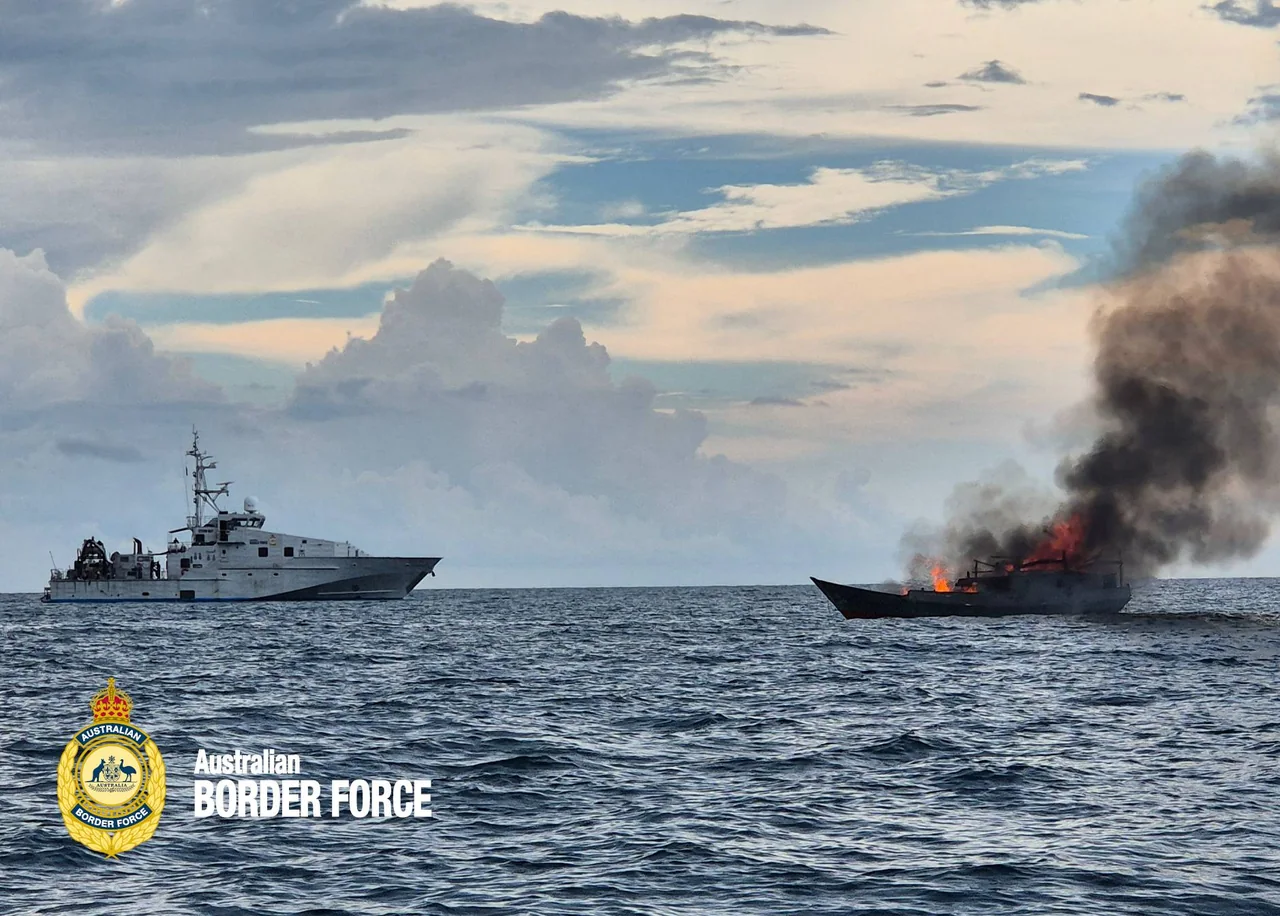
The Australian Border Force (ABF) is intensifying its efforts to disrupt foreign fishing vessels operating in northern waters, with five vessels intercepted and destroyed since the start of Operation BROADSTAFF. The operation aims to protect Sea Country, northern communities, and Australia's marine resources from illegal fishing activities. The ABF has been conducting maritime patrols, aerial surveillance, and on-water operations to identify and shut down foreign fishing vessels in the region. This increased enforcement activity is a significant step towards ensuring the long-term sustainability of Australia's fisheries industry.
The first two interceptions took place on February 20, when two foreign fishing vessels were caught near Albany Island. These vessels were subsequently destroyed at sea by ABF officers. The destruction of these vessels sends a clear message to potential offenders that they will be held accountable for their actions. This operation is also expected to have a positive impact on the local community, as it helps to maintain the health and productivity of Australia's fisheries resources.
Another vessel was intercepted on March 3 in the Escape River on the Cape York Peninsula, while two more boats were caught off Trochus Island on March 7. These interceptions demonstrate the effectiveness of the ABF's intelligence-led patrols and aerial surveillance capabilities. By identifying and tracking foreign fishing vessels, the ABF can prevent them from engaging in illegal activities and protect Australia's marine resources.
The Maritime Border Command (MBC) Acting Deputy Commander Brooke Dewar highlighted the importance of vessel destruction as part of a multi-layered enforcement approach. 'Increased vessel destruction through Operation BROADSTAFF reflects a deliberate enforcement posture,' she said. This approach not only targets foreign fishing vessels but also involves seizure of equipment, education, and escorting vessels out of Australian waters.
Since January 1, the ABF has intercepted 19 foreign fishing vessels in northern Queensland and the Torres Strait, with nine of these vessels being destroyed. This significant increase in enforcement activity is a direct result of the operation's focus on intelligence-led patrols and aerial surveillance. By combining these efforts with community reporting and on-water assets, the ABF can effectively identify and shut down illegal foreign fishing activities.
The recent interceptions have also shown early operational successes, as vessels were stopped before they could engage in illegal foreign fishing. This highlights the effectiveness of the operation's intelligence gathering capabilities and the ability to respond quickly to potential threats. The ABF is committed to protecting Australia's marine resources and northern communities from the impacts of illegal fishing.
The vessel destruction aspect of Operation BROADSTAFF serves as a deterrent to potential offenders, making it clear that they will be held accountable for their actions. This approach also reflects a shift towards a more proactive enforcement posture, where the ABF is taking the initiative to prevent and disrupt illegal activities rather than simply responding to incidents after they have occurred.
The operation's focus on community reporting and education highlights the importance of engaging with local communities in the enforcement effort. By working together, the ABF can build trust and ensure that local knowledge and expertise are used to inform the operation's efforts. This collaborative approach will be critical in the long-term success of Operation BROADSTAFF.
As the operation continues to evolve and adapt, it is clear that the Australian Border Force is committed to protecting Australia's marine resources and northern communities from the impacts of illegal fishing. The increased enforcement activity and focus on intelligence-led patrols demonstrate a proactive approach to preventing and disrupting these activities. With continued success, Operation BROADSTAFF will play an important role in maintaining the health and productivity of Australia's fisheries industry.
The increased vessel destruction reflects a deliberate enforcement posture to protect Australia's marine resources and northern communities.