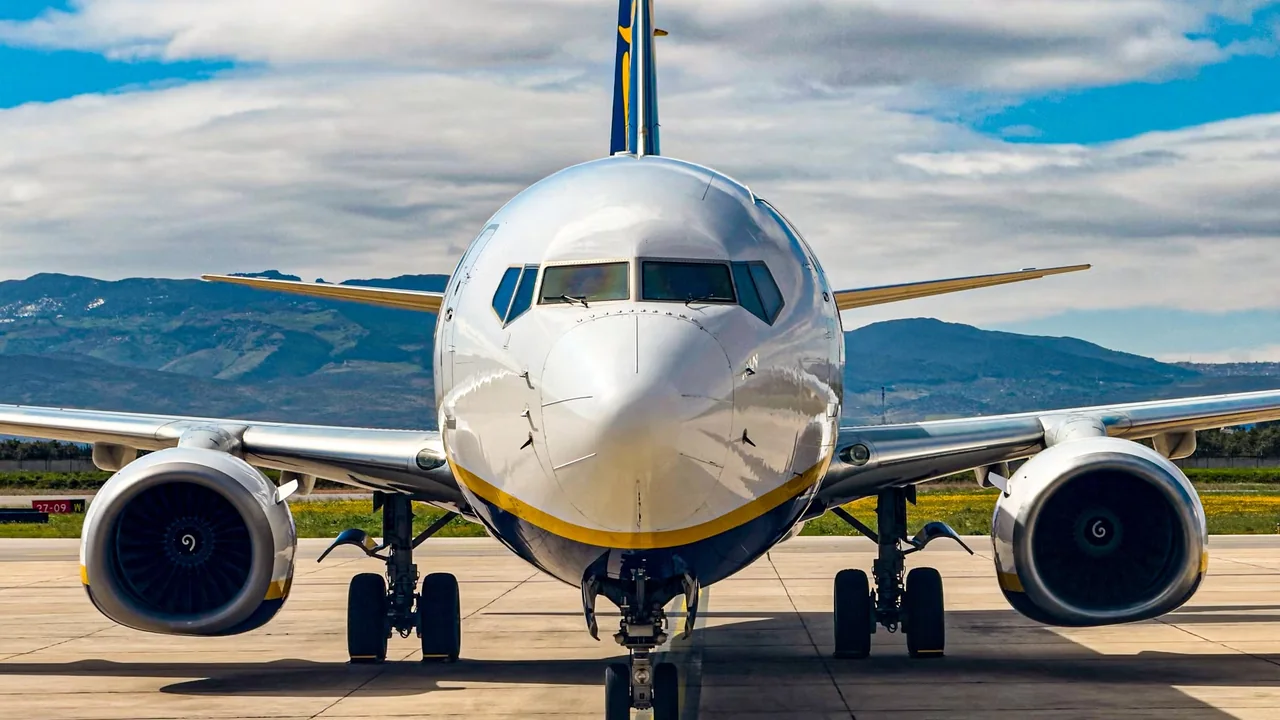
The Boeing 737 has been a defining aircraft in the short-haul markets for decades. Airlines have built entire network strategies around the type, with some relying on it for simplicity and scale, while others use it for frequency and flexibility. The plane has proven itself as valuable for both low-cost operators and full-service network carriers.
The 737 remains central to how many of the world's biggest carriers schedule flights, manage costs, and move millions of passengers every year. Airlines use the same jet in very different ways, with some relying on it for simplicity and scale, while others rely on it for frequency and flexibility. This diversity in usage makes a look at the largest 737 operators globally not just about fleet size, but also business models, geography, route structure, and airline identity.
Examining the five major carriers operating the world's largest Boeing 737 fleets reveals that each airline uses the aircraft in unique ways. The analysis will explore what those fleets reveal about each airline's overall network, economics, and long-term operating strategy. All figures in this analysis originate from Planespotters.net.

Delta Air Lines' 737 fleet is concentrated in larger, high-capacity variants rather than spread across many different subtypes. The carrier has no current 737 MAX jets in service and instead relies heavily on the 737-900ER as a large domestic narrowbody.
This strategy is consistent with Delta's broader fleet strategy, which tends to favor aircraft that can support strong hub flows, dense trunk routes, and solid premium demand without chasing fleet novelty for its own sake. The 737-800 remains useful, but the 737-900ER is the true heart of Delta's complex 737 operations.
The airline prefers aircraft gauge when it can get it, especially in major domestic markets where slot constraints, hub banks, or strong demand reward larger aircraft. In practice, the 737 at Delta is not the entire narrowbody story, with Airbus types being deeply important as well.

However, the 737 still plays a major role in giving Delta a dependable and high-capacity lift aircraft across its domestic network. The takeaway is that Delta's fleet is less about having the widest 737 family and more about using the most commercially useful members of it. This is thus a selective 737 strategy rather than an all-in-one.
The American Airlines 737 fleet is more streamlined than some of those that follow, primarily because it is a simple two-fleet story. The airline operates a large group of 737-800 jets and a smaller number of 737-700s.
This simplicity allows American to focus on optimizing its operations and managing costs, rather than trying to manage multiple aircraft types. As a result, the airline's 737 fleet is highly efficient and well-suited to its business model.

The analysis will continue with a look at the next four major carriers operating the world's largest Boeing 737 fleets, exploring what those fleets reveal about each airline's overall network, economics, and long-term operating strategy.
The Boeing 737 has proven itself as a versatile aircraft that can be used in various ways by airlines, from simplicity and scale to frequency and flexibility.