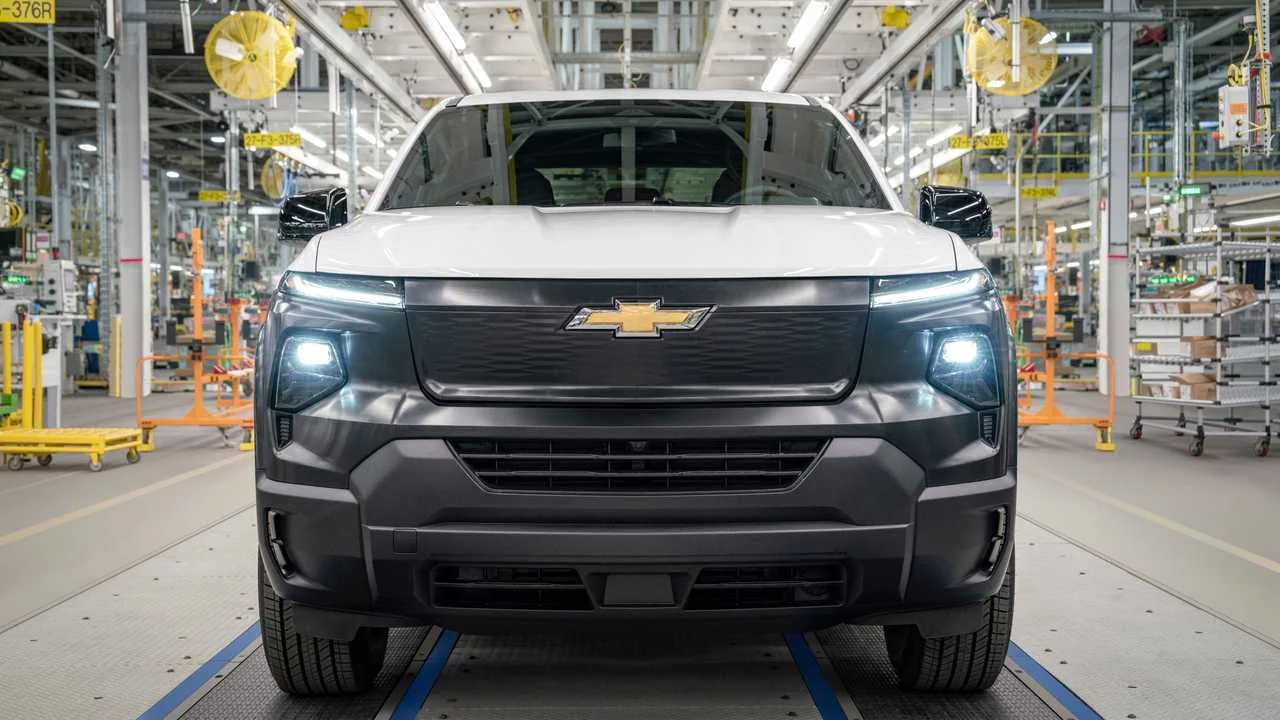
Factory Zero, located in Detroit, Michigan, is a critical facility for General Motors (GM), responsible for assembling the company's prized electric pickups and the Cadillac Escalade IQ SUV. The factory has been a key player in GM's efforts to expand its electric vehicle offerings. However, due to unforeseen circumstances, Factory Zero has gone dark again, leaving many wondering what the future holds for GM's electric ambitions.
The shutdown of Factory Zero is a significant blow to GM's plans to ramp up production of its electric vehicles. With the rise of electrification in the automotive industry, manufacturers are under increasing pressure to invest in new technologies and manufacturing facilities. The sudden loss of capacity at Factory Zero will undoubtedly have far-reaching consequences for GM's ability to meet growing demand for its electric offerings.
Factory Zero has been a major beneficiary of GM's investments in electric vehicle technology. Since its reopening in 2020, the factory has produced several popular electric models, including the Chevrolet Silverado EV and the GMC Hummer EV. The shutdown of Factory Zero will likely have a ripple effect on these models' production schedules.
The reasons behind the shutdown are not yet clear, but industry insiders speculate that it may be related to supply chain issues or manufacturing bottlenecks. Whatever the cause, the sudden loss of capacity at Factory Zero is a stark reminder of the complexities and challenges involved in transitioning to electric vehicle production.
General Motors has been one of the most aggressive players in the automotive industry's shift towards electrification. The company has invested heavily in new technologies and manufacturing facilities, including Factory Zero. However, despite these efforts, GM still faces significant challenges in meeting growing demand for its electric offerings.
The shutdown of Factory Zero is a sobering reminder that even the most well-planned transitions to new technologies can be derailed by unexpected setbacks. As the automotive industry continues to navigate this complex landscape, manufacturers must remain vigilant and adaptable to ensure their continued success.
In the short term, the shutdown of Factory Zero will likely have significant implications for GM's production schedules and customer satisfaction. However, in the long term, the company may be forced to re-evaluate its strategy and invest even more heavily in electric vehicle technology to stay competitive.
The impact of the shutdown on GM's overall business will depend on various factors, including the duration of the outage and the company's ability to quickly respond with alternative production solutions. Nevertheless, the sudden loss of capacity at Factory Zero is a significant concern that will need to be addressed by GM in the coming weeks and months.
As the automotive industry continues to evolve, manufacturers must prioritize flexibility, adaptability, and resilience in order to thrive. The shutdown of Factory Zero serves as a stark reminder of the importance of these qualities in navigating the complexities of electrification and other emerging technologies.
The sudden shutdown of Factory Zero highlights the challenges facing General Motors' efforts to transition to electric vehicles.