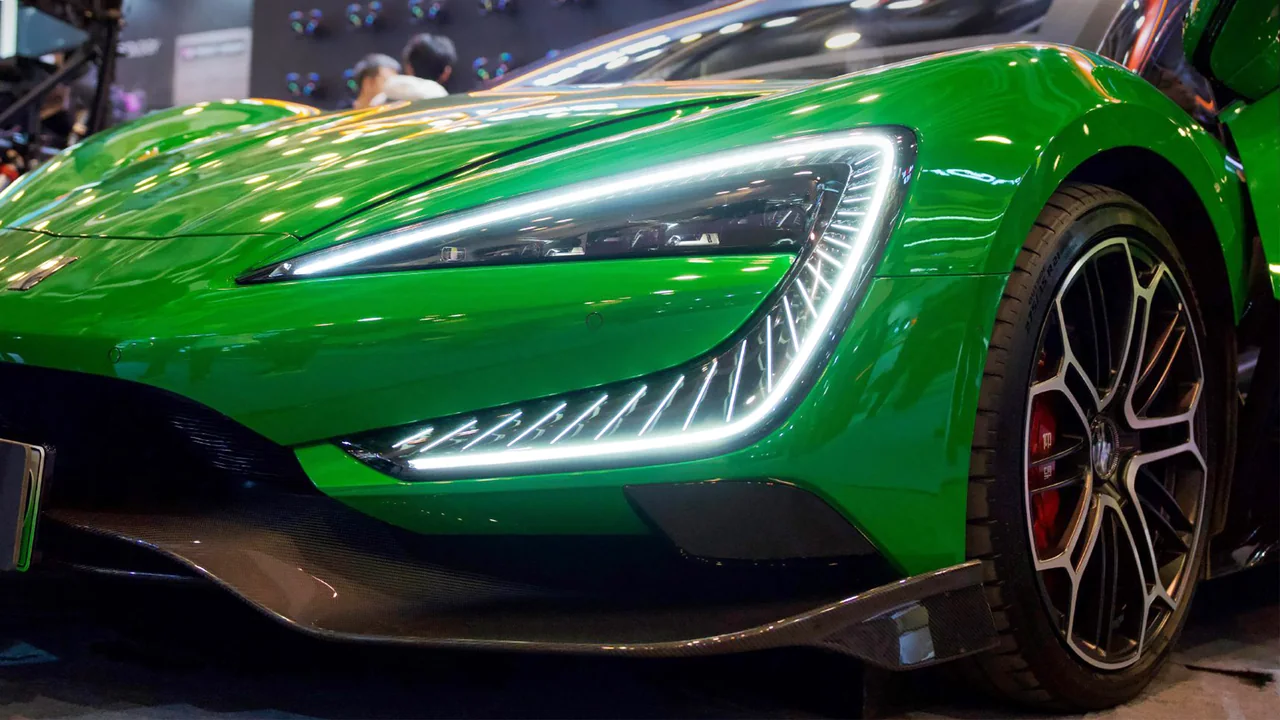
The Japanese government has dealt a significant blow to Chinese electric vehicle (EV) giant BYD, slashing subsidies for its models by more than half. The new rules favor locally sourced batteries over imported ones, which is a major disadvantage for BYD since its cars use Chinese-made batteries. This move will likely have a ripple effect on the entire Japanese EV market, as it aims to protect the domestic car industry from the growing competition posed by Chinese brands like BYD.
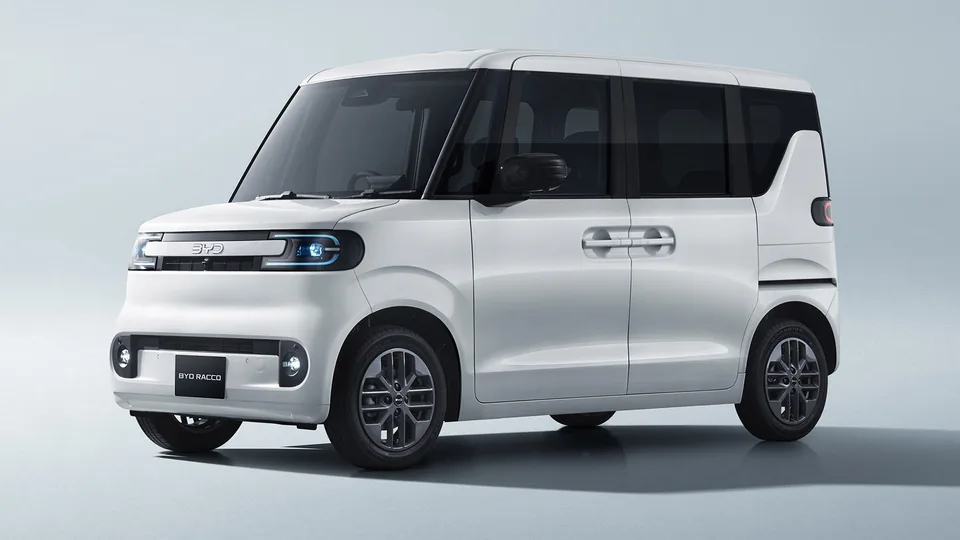
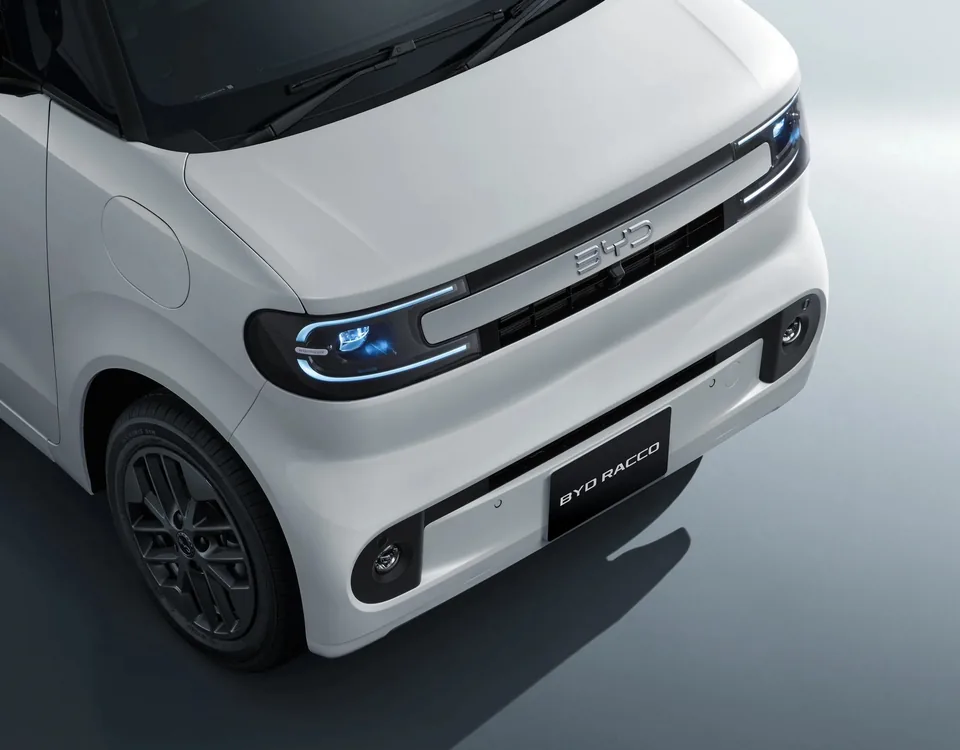
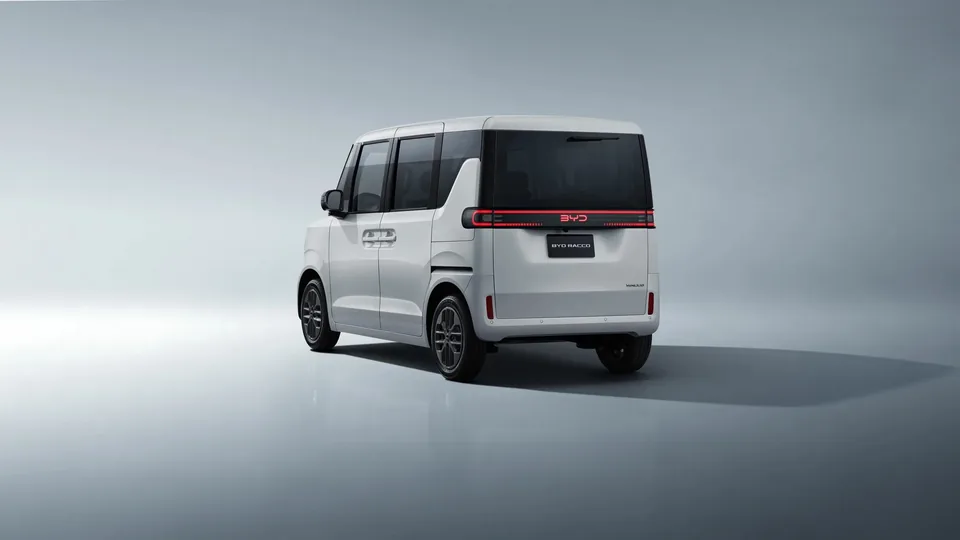
BYD had been optimistic about its chances in the Japanese market, having unveiled an all-electric Kei car last year. However, with subsidies now reduced to just 150,000 yen ($936), the company's prospects have taken a significant hit. The reduced incentives will make it even more challenging for BYD to compete with established Japanese brands like Toyota and Nissan.
The revised subsidy scheme is part of a broader effort by the Japanese government to support domestic EV manufacturers. By favoring locally sourced batteries, the government aims to promote the development of Japan's battery industry and reduce reliance on imported components. This move is also seen as a way to limit the influence of Chinese companies like BYD in the country.
Despite the subsidy cuts, some Japanese brands will continue to receive generous government assistance. The Toyota bZ4X, for example, will still be eligible for the highest possible subsidy of 1.3 million yen ($8,100). This move is likely aimed at encouraging domestic EV manufacturers to invest in research and development.
The Nissan Ariya had previously been available with a subsidy of 1.29 million yen ($8,075), but this will now be reduced to 1 million yen ($6,200) in 2027. While this may seem like a significant reduction, it's worth noting that the Ariya was already facing stiff competition from other Japanese brands.
Tesla and Audi have also seen their subsidies increased recently, likely due to the use of locally sourced batteries. Tesla's subsidies were boosted by 400,000 yen ($2,400) to reach 1.27 million yen ($7,900), while Audi saw a similar increase of 320,000 yen ($2,000). These moves are seen as an effort by these companies to gain traction in the Japanese market.
However, not all subsidy increases will remain in effect. From next January, subsidies for brands like Audi and Hyundai will be cut, although their extent remains unclear. This move is likely aimed at preventing excessive government support for certain companies.
BYD's Japan unit boss, Atsuki Tofukuji, has stated that the company is already at a significant disadvantage compared to domestic manufacturers like Toyota Motor. The gap between BYD and its competitors has grown to nearly 1 million yen, making it even more challenging for BYD to compete.
The subsidy cuts will likely have a lasting impact on BYD's efforts to gain traction in the Japanese market. With reduced incentives and increased competition from local brands, BYD will need to reassess its strategy and consider alternative approaches to succeed in this critical market.
The subsidy cuts will likely hinder BYD's efforts to gain traction in the Japanese market.