The cold supply chain is facing unprecedented disruptions due to tariffs, regulation, and changing consumer preferences. A recent survey by a leading temperature-controlled warehouse operator has shed light on the impact of these factors on supply chains across North America, Canada, and Mexico.
Geopolitical uncertainty and policy shifts, particularly tariffs, are among the biggest factors influencing supply chain decisions in 2026, with 73% of respondents expecting tariffs to continue negatively affecting their finances this year. This sentiment is reflected in the growing demand for refrigerated trucking and cross-border food logistics, particularly along the U.S.-Mexico and U.S.-Canada corridors.
The findings point to a growing reliance on third-party logistics providers and cold storage operators for temperature-controlled transportation, as companies adjust their sourcing strategies to manage tariffs and risk. This shift is driven by the need for greater visibility and compliance support in an increasingly complex supply chain landscape.

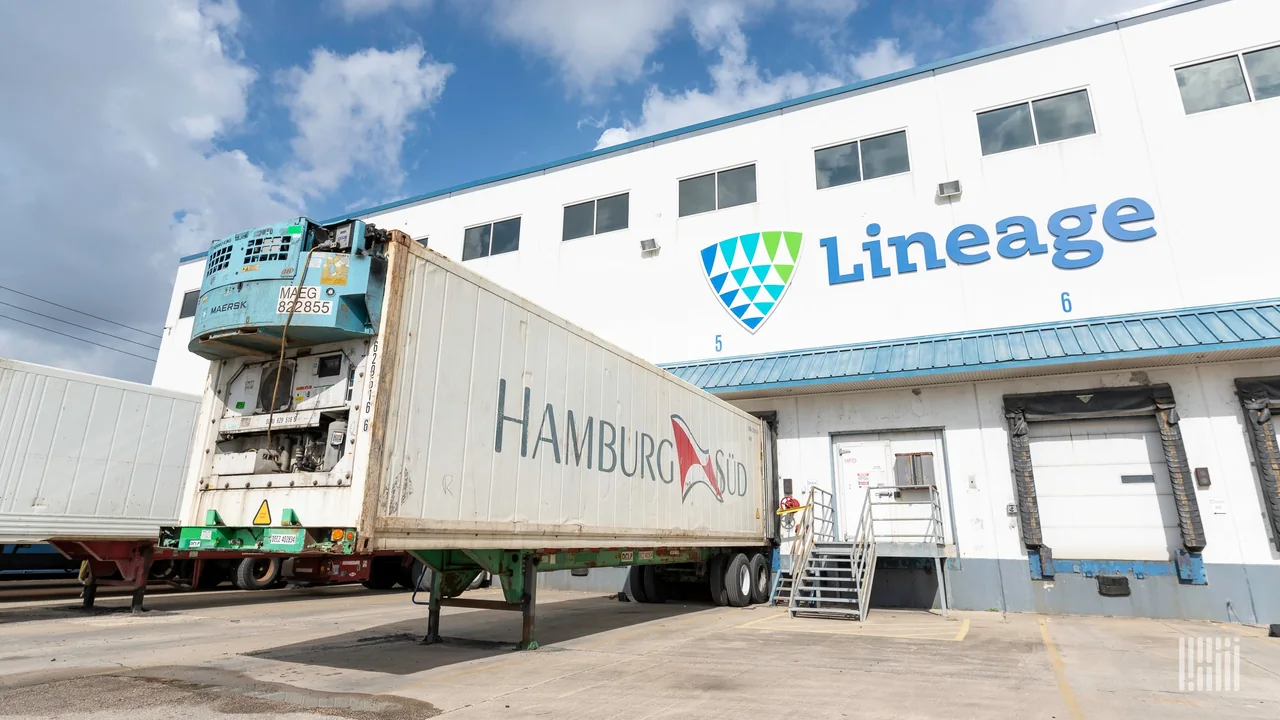
Supply chain leaders are operating in an environment where volatility is the norm, not the exception, according to Greg Lehmkuhl, president and CEO of Lineage. The company's 500 facilities across North America, Europe, and the Asia-Pacific region provide a unique perspective on the impact of tariffs and regulation on supply chains.
The survey found that 95% of companies adjusted their strategic plans over the past year due to shifting policy landscapes, while 57% said tariff impacts on 2025 costs were higher than expected. This underscores the need for companies to be proactive in managing their supply chain risks and adapting to changing market conditions.
Tariffs and regulation ranked as the top external factor driving supply chain instability, followed by inconsistent partners, climate disruptions, and rising freight and fuel costs. The impact of these factors is being felt across various industries, including food and beverage, where companies are rethinking sourcing strategies, inventory planning, and distribution networks.
At the same time, demand for cold storage remains strong, with about 72% of organizations reporting rising demand for refrigerated and frozen foods. This highlights the growing importance of temperature-controlled logistics as consumer buying patterns shift towards more convenient and healthier food options.
Technology adoption is becoming central to cold chain operations, with 60% of respondents ranking data and AI among the top forces transforming operations in 2026. Companies are focusing on transportation optimization, real-time visibility, AI-driven decision-making, and warehouse automation to improve coordination and efficiency.
Early returns on these investments appear promising, with 24% of companies reporting exceeding ROI expectations from AI investments. However, most others said they were meeting or nearing targets, highlighting the need for continued investment in technology and process improvements to stay ahead in a rapidly changing market.
As the global supply chain continues to navigate geopolitical uncertainty, companies must adapt their strategies to manage tariffs, regulation, and shifting consumer demand.