


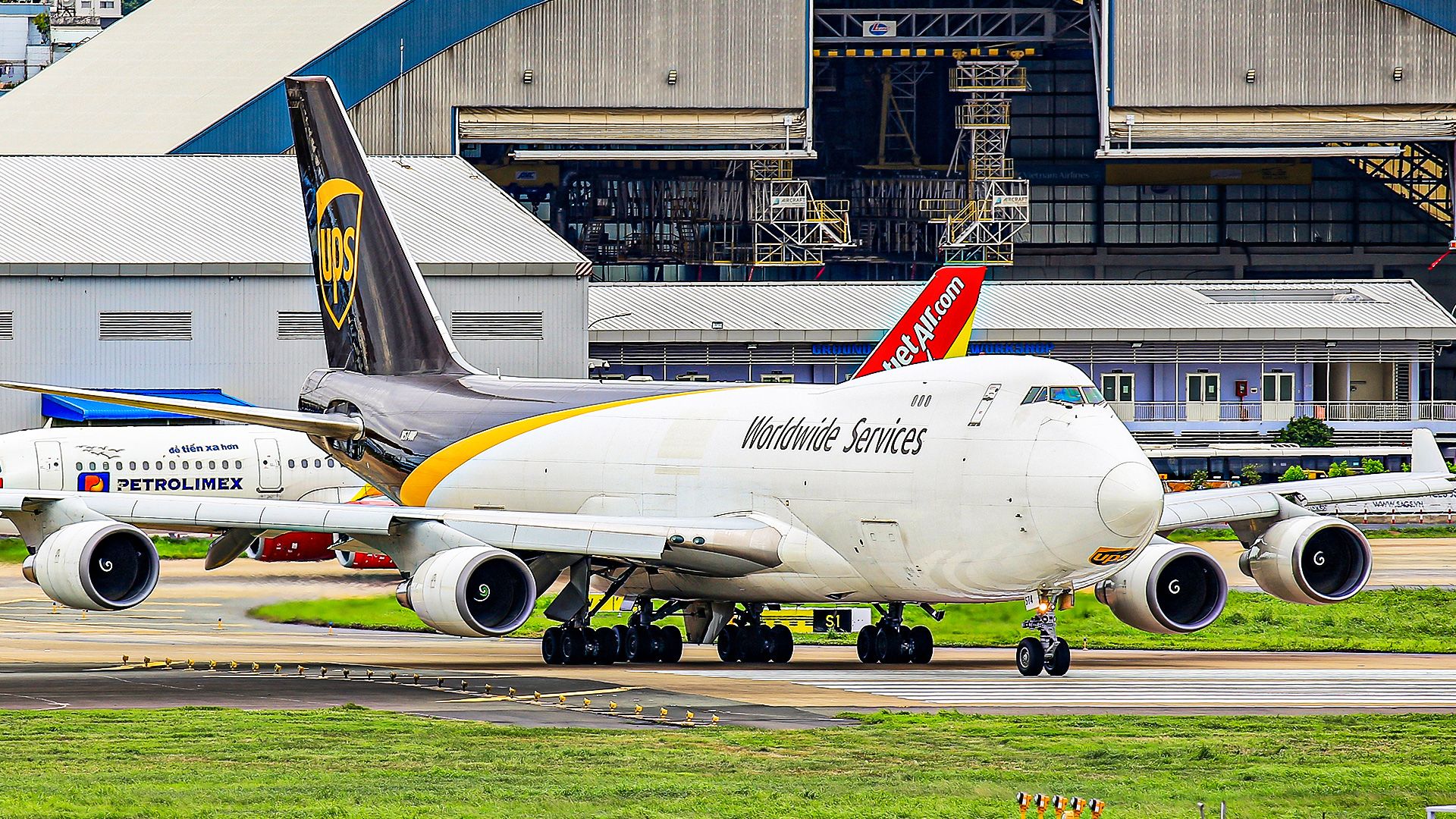
In the world of commercial aviation, a stark contrast exists between the fleets of passenger and cargo carriers. While passenger airlines are constantly updating their fleets to meet changing demands for comfort, entertainment, and fuel efficiency, cargo airlines continue to operate with older aircraft that may no longer be suitable for passenger service. This seeming paradox can be attributed to the distinct priorities of each industry, with cargo airlines focusing on payload capacity, reliability, and cost-effectiveness over passenger amenities.
The economics of fleet renewal are a key factor in this decision-making process. For cargo airlines, the acquisition cost of new aircraft is often prohibitively expensive, making older jets more attractive options. Furthermore, the conversion process from passenger to freighter configuration can be relatively straightforward, allowing cargo carriers to acquire large-capacity jets at significantly lower costs than their passenger counterparts.
In contrast to passenger airlines, which prioritize brand image and customer experience, cargo operators are primarily concerned with delivering goods efficiently and effectively. This shift in focus means that older aircraft, which may no longer meet modern standards for comfort or amenities, can still be highly valuable in cargo operations if they offer the right balance of range, volume, and operating economics.
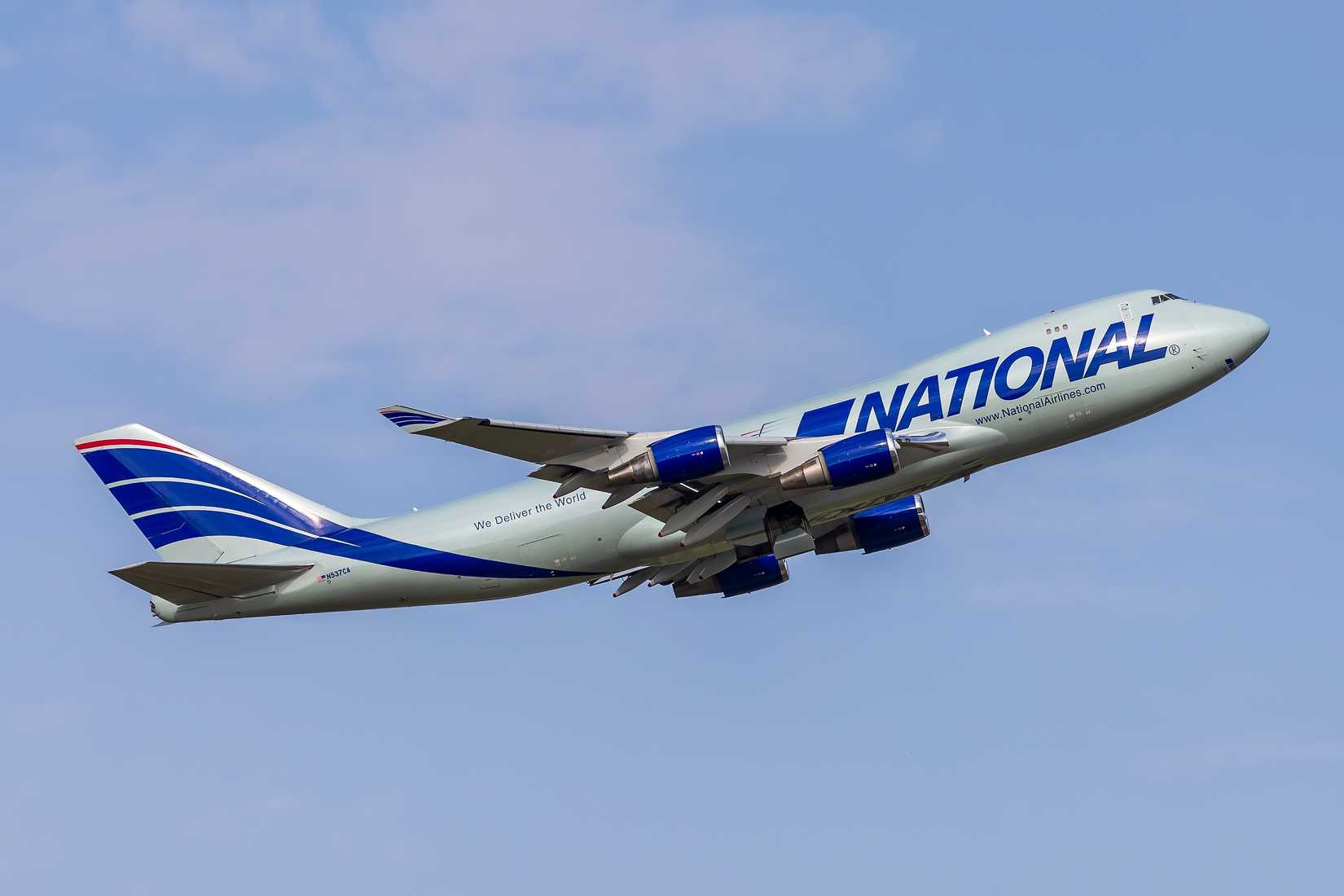
The Boeing 747, once a stalwart of passenger aviation, remains relevant in freight flying due to its exceptional range and payload capacity. Despite being largely retired from passenger service, older jets like the 747 can continue to thrive in cargo operations if they offer the right mix of performance and cost-effectiveness.
Airlines that operate under a cargo-focused business model are more likely to prioritize operational flexibility and reliability over modern amenities or fuel efficiency. This approach allows them to maintain a stable network, even as passenger airlines continually update their fleets to meet changing customer demands.
The key question in cargo aviation is not whether the aircraft is modern but rather whether it can still perform its core function – moving freight profitably. In this context, age alone is not a determining factor; instead, it's the ability of the aircraft to deliver goods at the right cost and on time that matters.
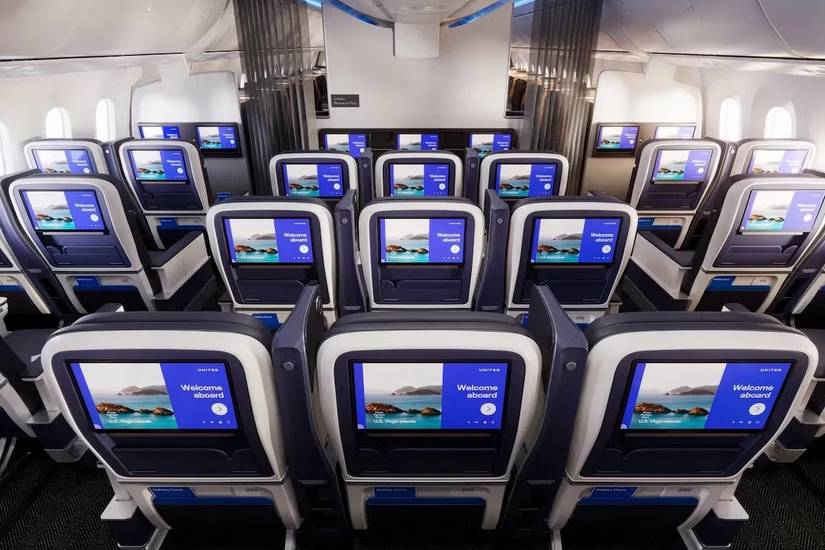
The lower acquisition costs associated with older aircraft are also a significant factor in cargo airlines' decisions. Many freighters begin life as passenger jets and are later converted, allowing cargo operators to acquire large-capacity vessels for far less than the cost of a new-build aircraft. This approach enables cargo carriers to maintain a stable fleet while keeping costs under control.
In addition to cost savings, older aircraft can also offer significant operational benefits in cargo aviation. By flying at night and connecting hubs in waves, freight carriers can optimize their routes and reduce fuel consumption, making the most of their existing fleets.
Ultimately, the continued use of older aircraft by cargo carriers reflects a fundamental shift in priorities within the industry. As passenger airlines focus on providing a premium travel experience, cargo operators are content to prioritize efficiency, reliability, and cost-effectiveness – even if it means flying older jets that may no longer meet modern standards.
The shift towards more modern aircraft in the passenger market highlights the unique priorities of cargo airlines.