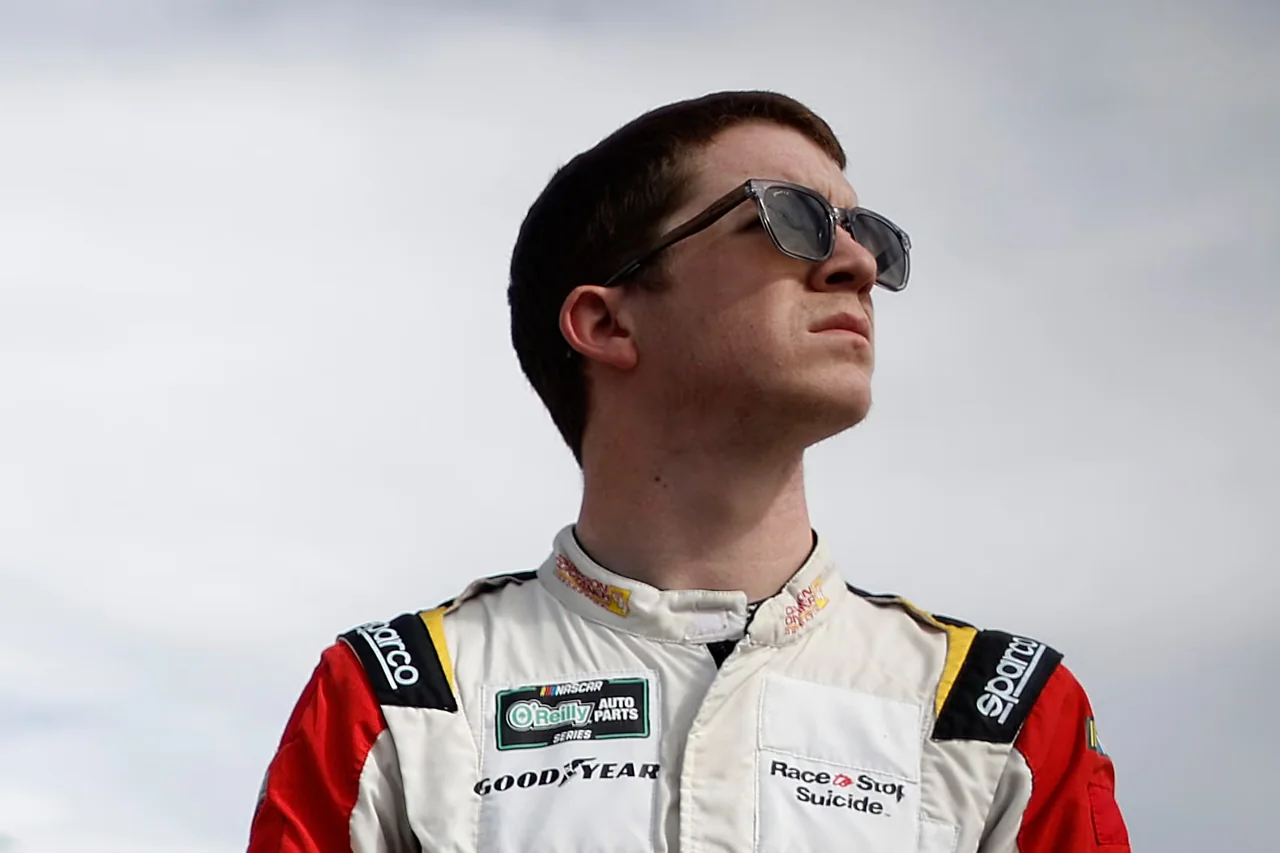
Daniel Dye, a NASCAR driver, was suspended by the organization after making inappropriate comments during a live stream. He has since been reinstated after completing sensitivity training. However, his return to Kaulig Racing's No. 10 truck is uncertain due to his resignation from the team.
The news comes as Kaulig Racing prepares for its upcoming events at Rockingham Speedway and Darlington. The team will be fielding two different drivers in the NASCAR Craftsman Truck Series, with Corey LaJoie taking over Dye's seat in the No. 10 truck.
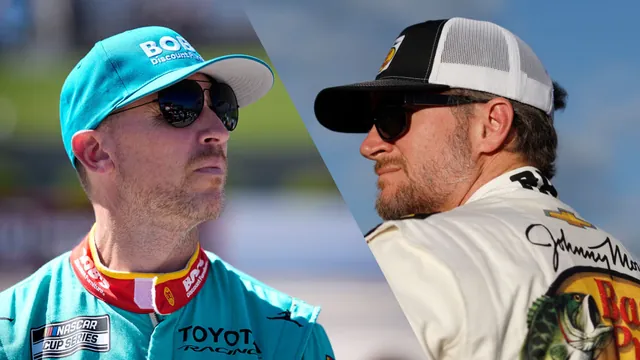
LaJoie, a veteran driver with extensive experience in various NASCAR series, was chosen by Kaulig Racing CEO Chris Rice due to his ability to work well with the organization. He will be driving the team's No. 25 truck at Rockingham, which is currently assigned to Ram's Free Agent Driver Program.

LaJoie's selection marks a significant change for Kaulig Racing, which had previously committed to using Dye in the No. 10 truck for the remainder of the season. The team's decision to replace Dye with LaJoie raises questions about the organization's commitment to diversity and inclusion.
Dye's resignation letter, posted on X (Twitter), revealed his desire to focus on becoming a successful driver at the highest level of stock car racing. His reinstatement has sparked debate about NASCAR's handling of sensitivity training and its impact on team dynamics.
The live stream incident that led to Dye's suspension remains a contentious issue, with many calling for greater accountability from drivers who engage in hate speech or discriminatory behavior. Dye's reinstatement has raised questions about whether the organization is doing enough to address these issues.
Kaulig Racing's decision to replace Dye with LaJoie demonstrates the team's commitment to finding solutions that benefit both its drivers and its brand reputation. However, the move also highlights the challenges of navigating complex social issues in a high-pressure sport like NASCAR.
As Kaulig Racing moves forward, it will be interesting to see how the team navigates these complexities and finds ways to promote diversity and inclusion within its ranks. The reinstatement of Dye has sparked a wider conversation about NASCAR's role in promoting positive values and behaviors among its drivers.
Ultimately, the future of NASCAR and Kaulig Racing will depend on their ability to balance competing priorities and find solutions that benefit both their drivers and their brand reputation.
The reinstatement of Daniel Dye has raised questions about NASCAR's handling of sensitivity training and its impact on team dynamics.