



The annual survey by Consumer Reports reveals which cars and SUVs fail to meet buyer expectations, highlighting the importance of real-world testing and user feedback.
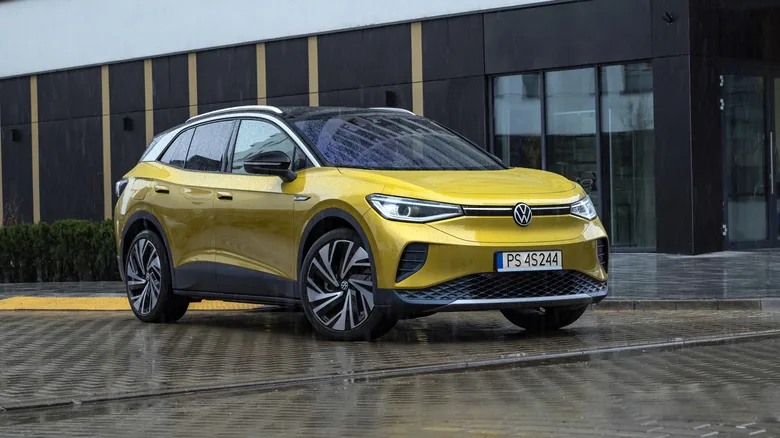
Volkswagen's ID.4 has been a subject of mixed reviews, with many buyers feeling underwhelmed by its performance and features despite incremental improvements over the years.
The vehicle's electric powertrain and range have improved, but its infotainment system remains a point of contention for some owners, leading to a sense of 'meh' about the overall driving experience.

In contrast, Chrysler's minivan lineup has been a success story, with the Pacifica standing out as a relentlessly practical vehicle that delivers on its promises without making any claims to excitement.
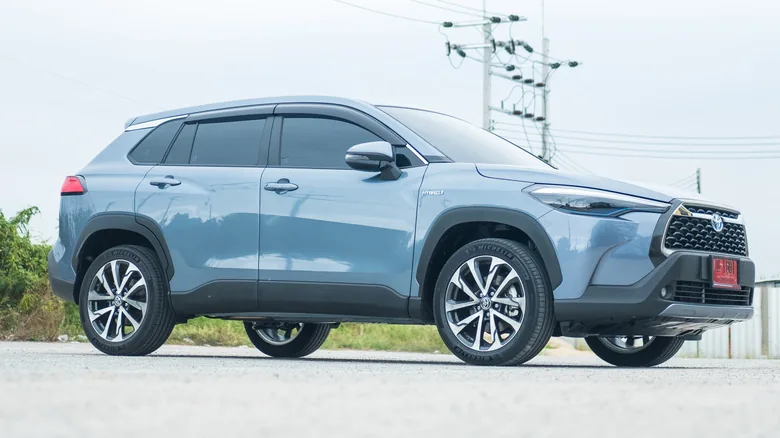
However, when it comes to hybrid models, subpar reliability can be a major issue, highlighting the need for manufacturers to prioritize quality and durability in their designs.
The survey also highlights the importance of considering user feedback and real-world testing when evaluating vehicles, rather than relying solely on manufacturer-provided data or test drive impressions.
Ultimately, the goal of any vehicle is to meet the needs and expectations of its buyers, and those that fail to do so may be considered less satisfying.
The least satisfying cars and SUVs of 2026 are a reminder that even the most promising vehicles can have flaws and areas for improvement, and that manufacturers must continually strive to innovate and improve their designs.
By examining the data from Consumer Reports' survey, we can gain a better understanding of what makes a vehicle truly satisfying and identify areas where manufacturers can focus their efforts to improve future models.
The emphasis on practicality in the automotive industry can sometimes lead to vehicles that are more functional than exciting.


