

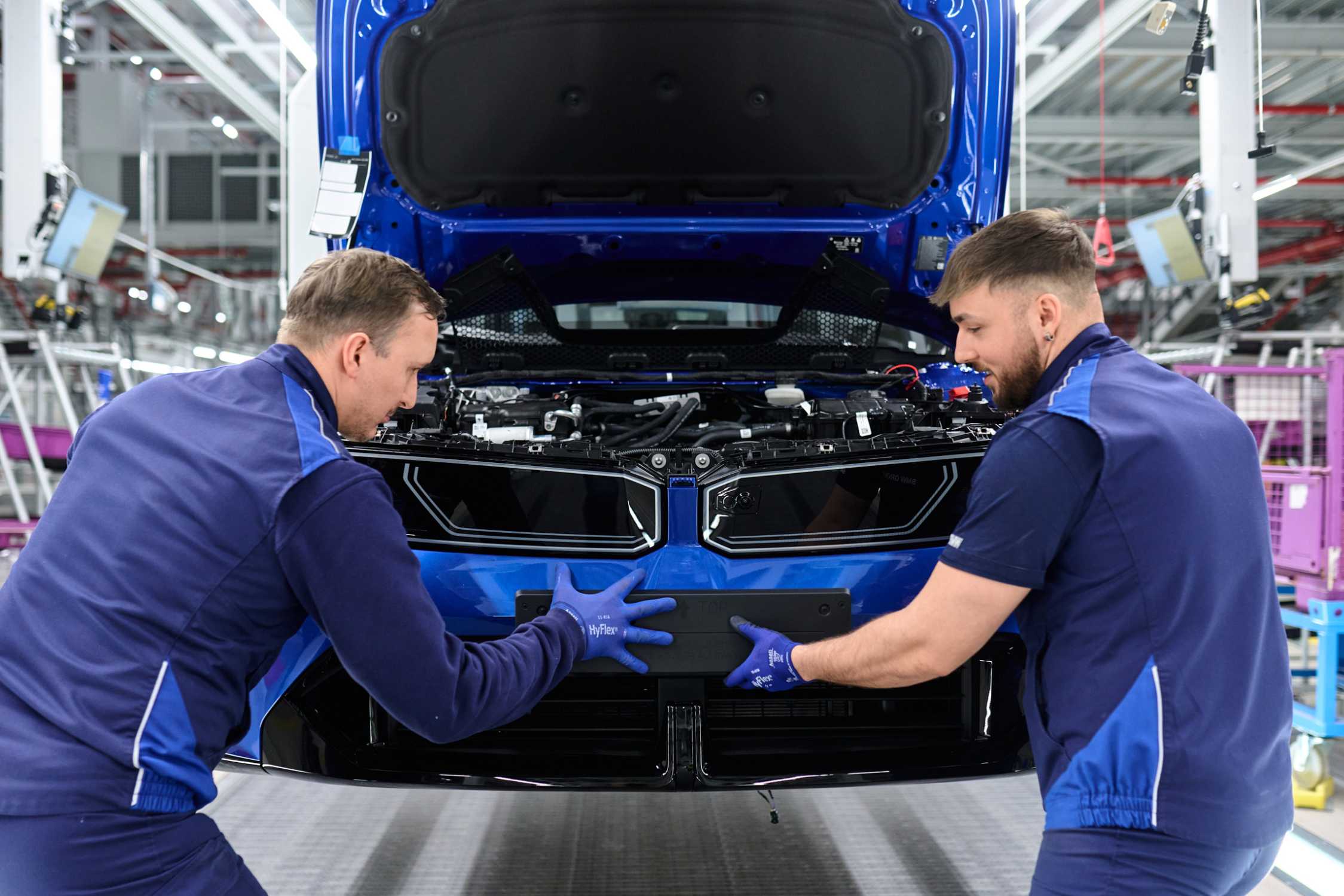
The BMW Group Plant Munich is on the cusp of a significant transformation as it prepares for the series production of the BMW i3, marking the second model in the Neue Klasse lineup. This pivotal moment is set to unfold in August, initiating the rollout of the Neue Klasse across BMW's global production network. The transition to electric mobility is not just a change in vehicle type; it represents a fundamental shift in the company's manufacturing philosophy.
Milan Nedeljković, a key member of BMW AG's Board of Management, emphasizes the thorough preparations that have gone into this transformation. The introduction of the BMW iFACTORY framework has established a strategic foundation for production across all BMW plants. This initiative reflects a significant investment in advanced technologies, digitalization, and artificial intelligence, which are essential for streamlining operations and enhancing productivity.
The modernization of the Munich plant has been extensive, resulting in a facility that operates with increased efficiency, flexibility, and digital capabilities. This transformation is crucial for meeting the demands of electric mobility and the production requirements of the Neue Klasse. The plant's ability to adapt to these changes positions it as a vital component of BMW's future production strategy.

Looking ahead, the Munich facility is set to exclusively produce all-electric vehicles by 2027, further enhancing its operational efficiency. This strategic decision is bolstered by proactive planning and collaboration with development teams and suppliers. The integration of modern production technologies into the plant's new structures is expected to significantly reduce production costs, with estimates suggesting a 10 percent decrease upon the launch of the BMW i3.
Peter Weber, the head of the Munich plant, has highlighted the impressive advancements made in production cost reductions over recent years. The implementation of optimized production processes, coupled with targeted automation and digitalization, has played a critical role in achieving these efficiencies. The new vehicle architecture of the Neue Klasse is designed to support these improvements, ensuring that the plant remains competitive in a rapidly evolving market.
The transformation of the BMW Group Plant Munich is not just about new technology; it is also a testament to the dedication and expertise of the workforce. Over the past century, the plant has consistently reinvented itself, adapting to the changing automotive landscape while maintaining high production levels. The recent redevelopment efforts have included establishing a new body shop and state-of-the-art vehicle assembly areas, which are crucial for supporting the production of up to 1,000 vehicles per day.

Peter Weber has acknowledged the essential role of the workforce in this transformation, praising their commitment and skill in navigating the challenges of modernization. The successful launch of the BMW i3 is just the beginning, as several additional models from the Neue Klasse are planned for production in Munich, including the anticipated BMW i3 Touring.
As the automotive industry increasingly pivots towards sustainability and electric mobility, the advancements at the BMW Group Plant Munich serve as a model for other manufacturers. The integration of cutting-edge technologies and a focus on efficiency not only enhance production capabilities but also align with global trends towards greener transportation solutions. This transformation positions BMW to remain a competitive force in the evolving automotive landscape.
The shift towards electric vehicle production at the BMW Group Plant Munich signifies a broader trend in the automotive industry, where traditional manufacturers are rapidly adapting to the demands of sustainability and digitalization. This transformation not only enhances operational efficiency but also positions BMW as a leader in the competitive EV market.