

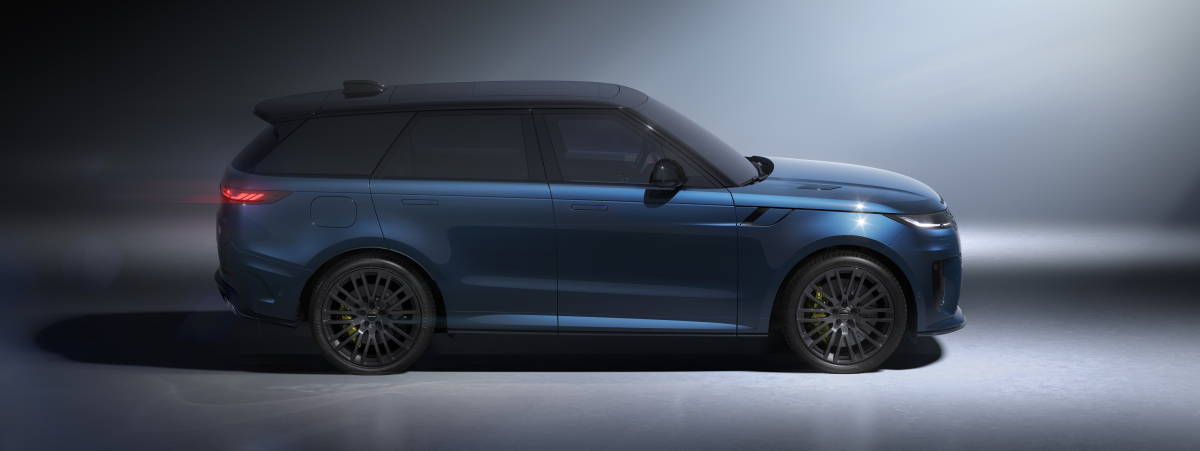
Jaguar Land Rover (JLR) has reported a significant recovery in sales for the fourth quarter, bouncing back impressively after facing disruptions due to a cyber incident. This resurgence is crucial for the company as it navigates the challenges posed by both the global automotive market and the recent cyberattack that impacted operations. The volume data released is provisional and rounded to the nearest hundred units, with more detailed figures expected to be available by April 2026 on the company's Investor Relations pages.
The recovery in sales is a testament to JLR's resilience and adaptability in a rapidly changing automotive landscape. Following the cyber incident, the company has focused on reinforcing its operations and ensuring that its supply chain remains robust. This rebound not only reflects the demand for JLR's luxury vehicles but also indicates a growing consumer confidence in the brand's ability to deliver despite setbacks.
Central to JLR's strategic vision is the Reimagine initiative, which aims to redefine modern luxury through a sustainable lens. The company is committed to achieving carbon net-zero status across its supply chain, products, and operations by 2039. This ambitious goal is part of a broader industry trend towards sustainability, as automakers increasingly recognize the importance of environmental responsibility in their business models.
Electrification plays a pivotal role in JLR's strategy, with plans to introduce a pure electric model for each of its brands by the end of the decade. This shift towards electric vehicles (EVs) aligns with global trends as consumers and governments alike push for greener alternatives. Jaguar, in particular, is set to transition entirely to electric, further solidifying its commitment to sustainability and innovation.
In addition to fully electric options, JLR's world-leading powertrain technologies will continue to support hybrid and internal combustion engine (ICE) vehicles. This flexibility is essential as the automotive industry undergoes a significant transition towards electrification, allowing JLR to cater to diverse customer preferences while gradually phasing out traditional fuel sources. The company's approach reflects a balanced strategy that acknowledges the current market demand for various vehicle types.
JLR maintains a strong presence in the UK, where it operates two design and engineering sites, alongside two manufacturing facilities. The company also has a components and finishing facility, an electric propulsion manufacturing center, and a battery assembly center located within the UK. This robust infrastructure not only supports local employment but also emphasizes JLR's commitment to British manufacturing amidst a competitive global landscape.
Furthermore, JLR's international footprint includes vehicle plants in China, Slovakia, India, and Brazil, as well as seven technology hubs around the world. This global presence enables the company to leverage diverse markets and technological advancements, enhancing its competitiveness in the automotive sector. As JLR continues to expand its global operations, it remains focused on integrating cutting-edge technology into its vehicles.
As a wholly owned subsidiary of Tata Motors Passenger Vehicles Limited, JLR benefits from the backing of a major player in the automotive industry. This relationship provides JLR with the necessary resources and support to navigate the complexities of the market while pursuing its ambitious sustainability goals. The collaboration with Tata Motors also positions JLR to capitalize on emerging trends and innovations in the automotive sector.
The rebound in JLR's sales highlights the automotive industry's resilience in the face of cyber threats, showcasing the importance of robust cybersecurity measures for manufacturers.