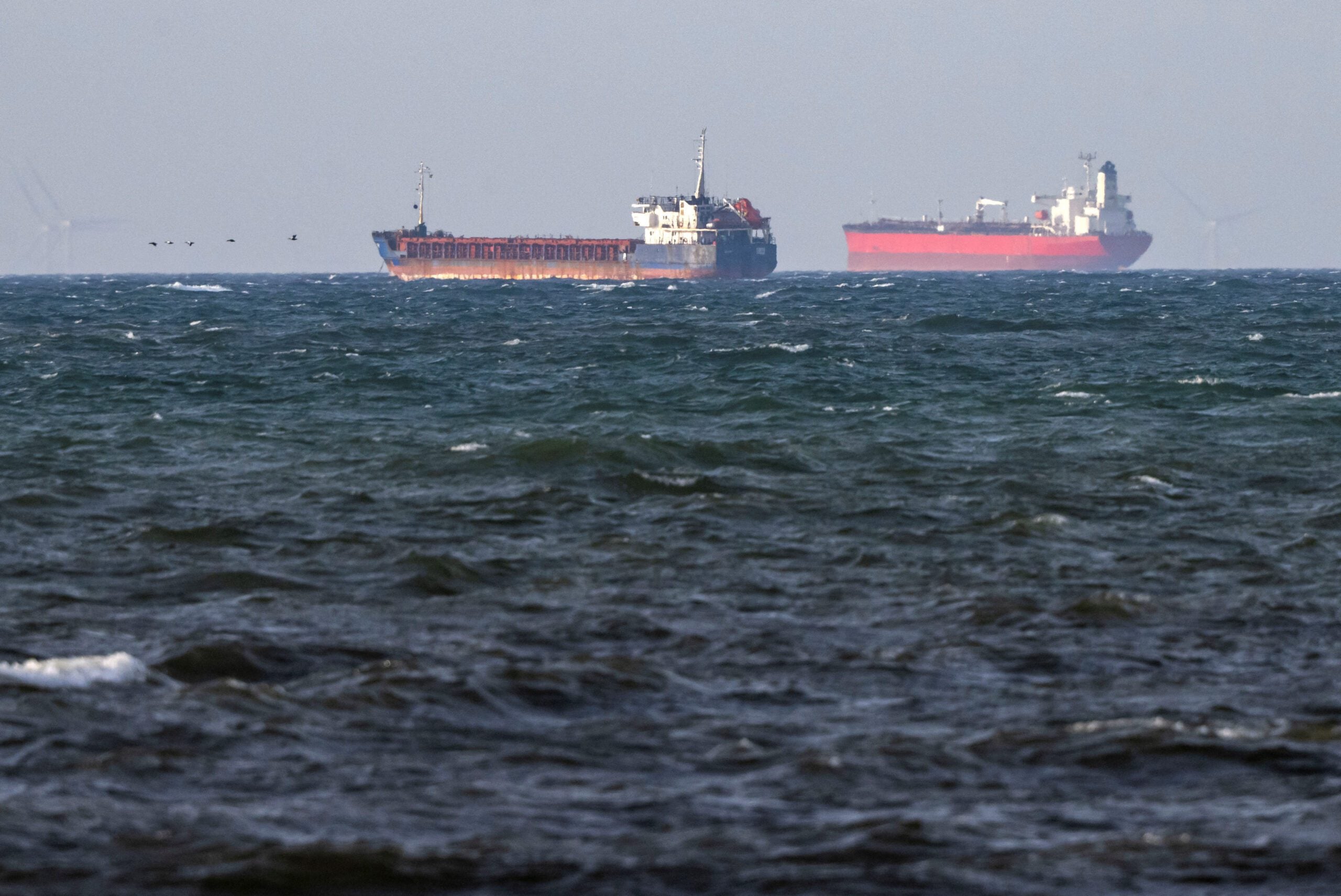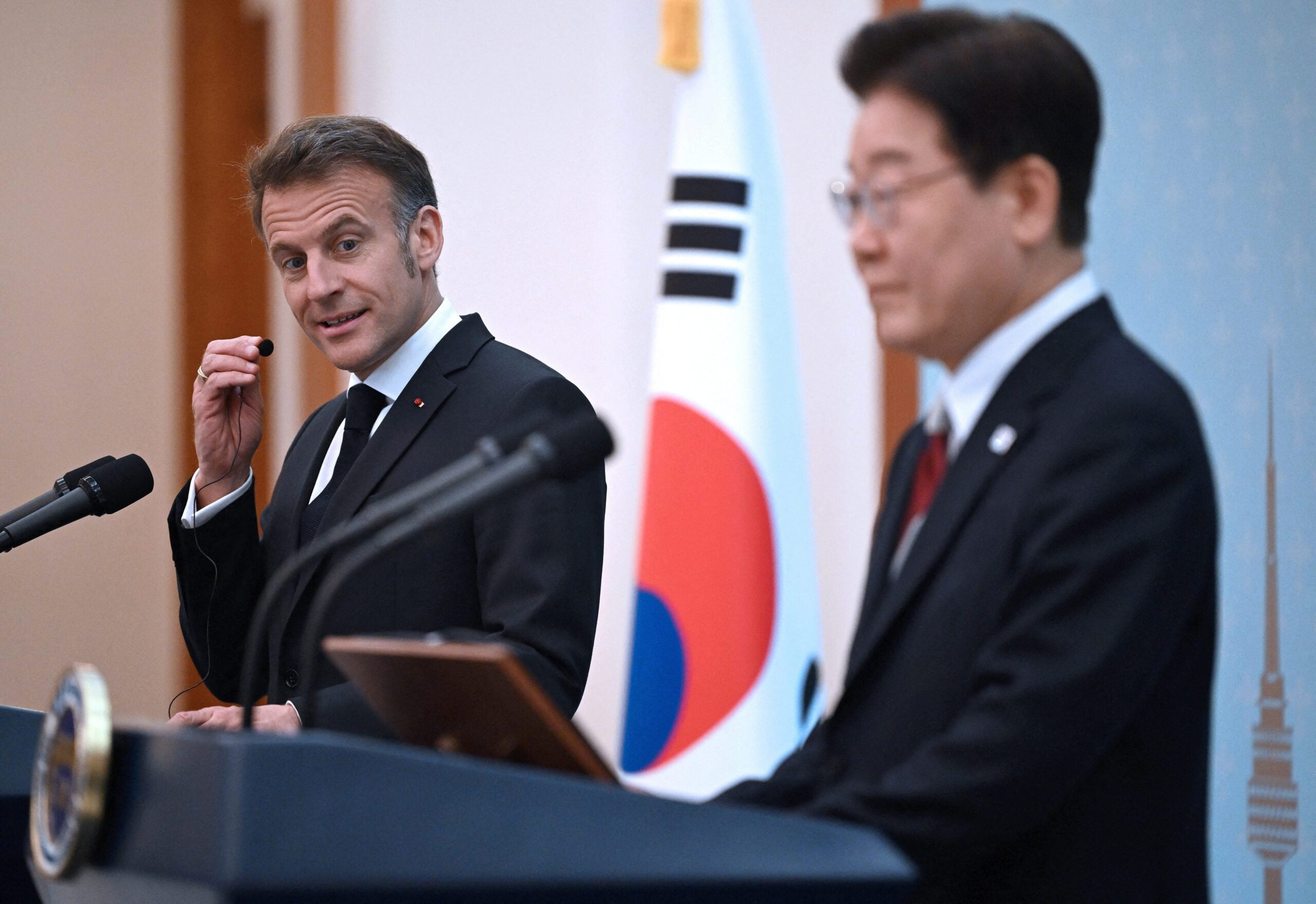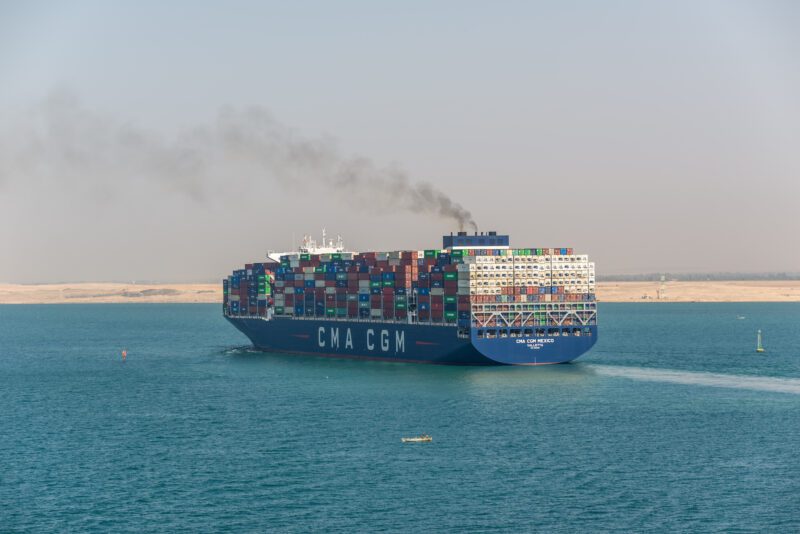

The recent detentions of Panama-flagged vessels by China have sparked serious concerns about efforts to undermine the rule of law in the Latin American country. The U.S. Secretary of State's statement highlights the need for transparency and accountability in international trade agreements. This incident demonstrates how economic tools can be used to exert influence over sovereign nations, posing a threat to global commerce. As such, it is essential to monitor this situation closely and ensure that all parties adhere to established laws and regulations.
The U.S. Federal Maritime Commission has been keeping a close eye on the surge in detentions of Panama-flagged vessels in China, which appears to be linked to a recent court ruling against Hong Kong-based port operator CK Hutchison. The FMC's monitoring is crucial in preventing any potential disruptions to global maritime trade. With nearly 70 vessels detained since March 8, this trend warrants immediate attention from the international community.
China's actions against Panama-flagged vessels have raised concerns about the use of economic tools to undermine the rule of law in Panama. The U.S. Secretary of State has expressed concern over China's recent actions, stating that they raise serious questions about the country's commitment to upholding the rule of law. This incident highlights the need for greater transparency and accountability in international trade agreements.
The cancellation of the legal framework supporting CK Hutchison's port concessions by Panama's Supreme Court has significant implications for the global maritime industry. The ruling, which was made in late January, invalidated the 1997 concession that granted CK Hutchison's company the right to operate the Balboa and Cristobal terminals on the Pacific and Atlantic sides of the Panama Canal.
The cancellation of the concession follows mounting U.S. pressure to curb Chinese influence around the strategic canal, which handles about 5% of global maritime trade. The U.S. has been actively working to promote greater transparency and accountability in international trade agreements, and this incident is a prime example of why such efforts are necessary.
CK Hutchison, which operated the ports for nearly 30 years, has rejected the court ruling and launched an international arbitration case against Panama, claiming damages of more than $2 billion. The company's response highlights the need for greater clarity and transparency in international trade agreements.
The U.S. stands firmly with Panama and looks forward to expanding economic and security cooperation with the country. This stance demonstrates the importance of maintaining strong relationships between nations and upholding the rule of law in all its forms.
CK Hutchison has accused Panamanian authorities of unlawfully seizing property, and the company's international arbitration case against the country is a testament to the need for greater accountability and transparency in international trade agreements. The fact that nearly 70 vessels have been detained since March 8 highlights the severity of this situation.
The FMC's monitoring of China's detentions of Panama-registered ships has revealed a significant increase in recent months, with Lloyd's List Intelligence report stating that the number had reached nearly 70 since March 8. This trend warrants immediate attention from the international community and highlights the need for greater transparency and accountability in international trade agreements.
The detention of Panama-flagged vessels by China has significant implications for global maritime trade and the rule of law in Latin America. The incident demonstrates how economic tools can be used to exert influence over sovereign nations, posing a threat to global commerce. As such, it is essential to monitor this situation closely and ensure that all parties adhere to established laws and regulations.
The detention of Panama-flagged vessels by China has significant implications for global maritime trade and the rule of law in Latin America.