
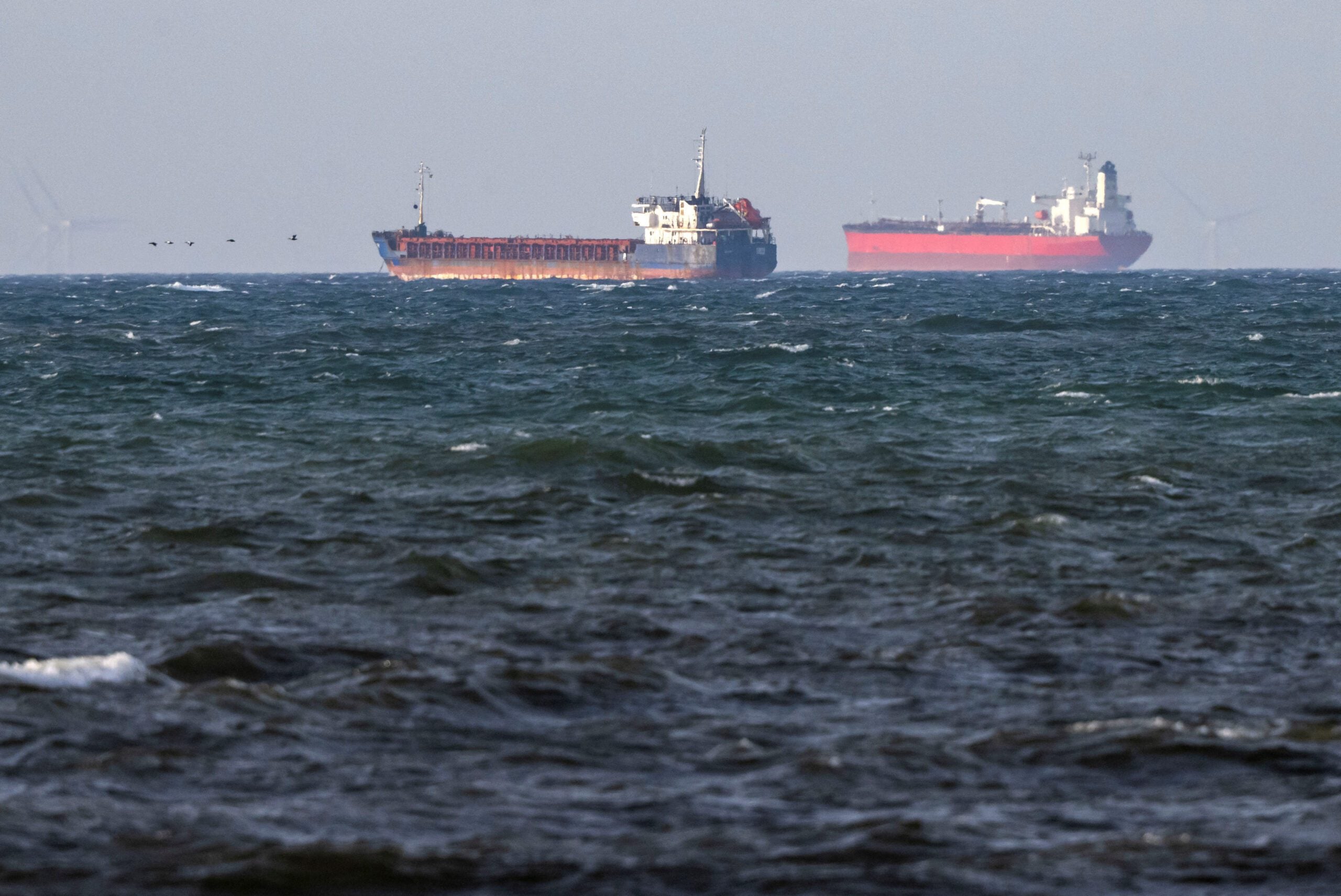
The Swedish Coast Guard has taken a significant step in its efforts to combat Russian maritime activity in the region by seizing an oil tanker suspected of being the source of a recent 12 km oil spill off the island of Gotland. The Flora 1, with unclear origins and an unknown destination, was intercepted off Sweden's southern coast. This move is part of a broader strategy by European nations to disrupt the Russian shadow fleet, which has been accused of posing a significant security and environmental threat.
The tanker's voyage began in the Russian port of Primorsk, where it departed with an uncertain course. MarineTraffic data indicates that the vessel was traveling without clear destination or manifest information, raising suspicions about its true intentions. This lack of transparency is a hallmark of the shadow fleet, which has been accused of evading sanctions and operating outside of international regulations.
Fortunately, the oil spill is not expected to reach shore, according to the Swedish Coast Guard. However, this incident highlights the ongoing risks posed by these vessels, which can have devastating consequences for marine ecosystems and human communities alike. The environmental impact of such incidents cannot be overstated, and it is essential that authorities take swift action to prevent them.

The seizure of the Flora 1 marks a significant escalation in Sweden's efforts to combat Russian maritime activity. The country has been at the forefront of this effort, working closely with international partners to disrupt the shadow fleet and prevent further environmental damage. This move demonstrates the Swedish government's commitment to protecting its citizens and preserving the integrity of European waters.
Swedish Minister for Civil Defence Carl-Oskar Bohlin has highlighted the threat posed by the Russian shadow fleet, stating that it consists of older, poorly insured tankers that evade sanctions. The minister's comments underscore the gravity of this issue, which requires immediate attention from governments and international authorities alike.
The Flora 1's flag status is unclear, adding to the mystery surrounding its origins and activities. This lack of transparency is a concern for many in the maritime community, who are calling for greater accountability and regulation of these vessels. The EU sanctions list has already been invoked against several Russian tankers, but more needs to be done to prevent further evasion.
The seizure of the Flora 1 is a significant development in the ongoing efforts to disrupt the Russian shadow fleet. European nations have increased their efforts to counter this threat, and this move demonstrates their commitment to protecting their interests and preserving regional stability. However, more work remains to be done to ensure that these vessels are held accountable for their actions.
The incident highlights the need for greater cooperation between governments and international organizations to address the issue of Russian maritime activity in Europe. By working together, we can reduce the risks posed by these vessels and protect our waters from potential threats. This requires a coordinated effort from all stakeholders involved.
In conclusion, the seizure of the Flora 1 is a significant step forward in the fight against the Russian shadow fleet. While there is still much work to be done, this move demonstrates the determination of European nations to protect their interests and preserve regional stability. By taking swift action and working together, we can reduce the risks posed by these vessels and create a safer maritime environment for all.