

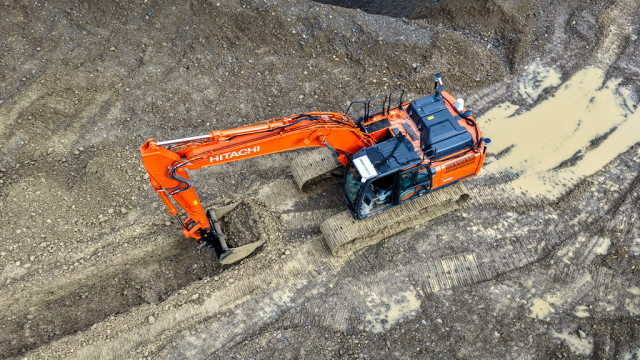
The construction industry is already witnessing a significant shift towards automation, with companies like Gravis Robotics leading the charge. By deploying its platform on active job sites, Gravis Robotics is helping large contractors and engineering firms improve productivity and safety across complex operations. These organizations often manage large-scale infrastructure and energy work where inconsistency in excavation performance can significantly impact productivity and project timelines.
One of the key features of the Gravis Rack platform is its ability to support multiple levels of automation. Operators can use the system for manual operation with visual guidance, assisted excavation tasks, or fully autonomous operations, depending on the application. This flexibility allows companies to tailor their approach to specific needs and workflows, without having to overhaul their entire operations.
Autonomous tasks currently supported include trenching, bulk excavation, and truck loading. By automating these tasks, Gravis Robotics is helping to reduce manual labor and improve accuracy, leading to increased productivity and reduced errors. This is particularly important in industries where consistency and precision are crucial.
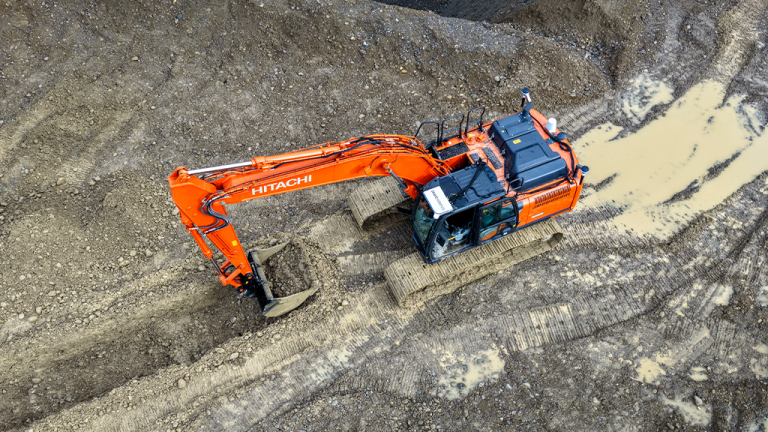
Operators can interact with the system using the portable tablet interface from inside the cab, remotely from outside the machine, or even from an off-site office environment. This flexibility allows operators to work more efficiently and effectively, without being tied to a specific location. It also enables companies to provide better support to their teams, by providing access to training and resources on-demand.
As the technology and uptake continue to evolve, Gravis Robotics is expanding the range of tasks and machines supported by the platform. Development includes additional excavator capabilities and support for attachments such as breakers and grapples. This expansion will further cement Gravis Robotics' position as a leader in construction robotics, and provide even more opportunities for companies to automate their operations.
The company's approach to autonomy is also noteworthy. Instead of treating autonomy as an all-or-nothing shift, Gravis Robotics is developing systems that can be introduced one step at a time. With tablet-based controls and operator-assist features, the technology can be used alongside existing workflows without complicated disruptions. This approach acknowledges that companies may not be ready for full automation right away, but still want to take advantage of the benefits it offers.
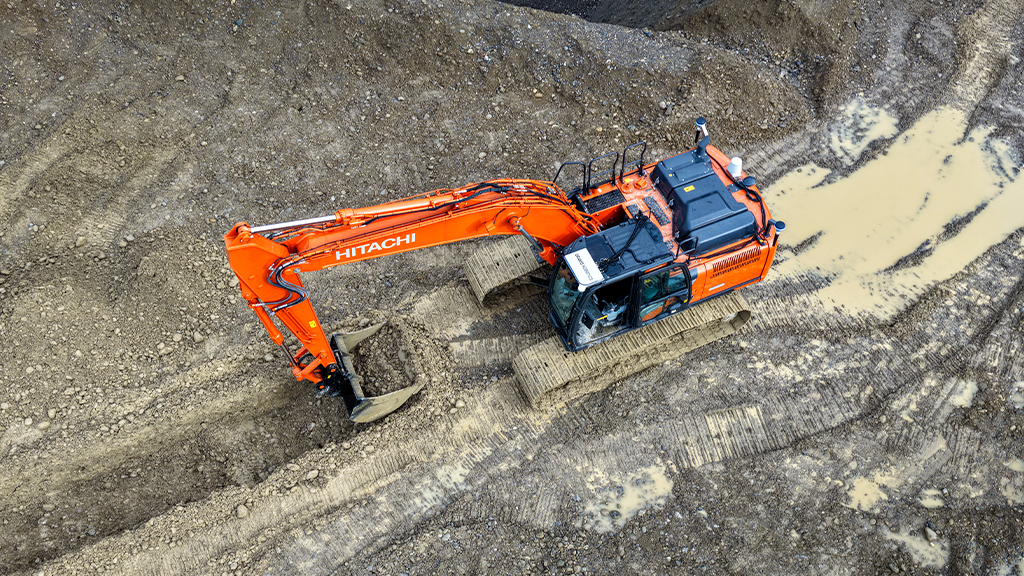
For Gravis Robotics, autonomy is built around the operator, not in place of them. The company's focus on supporting operators and providing training and resources will help ensure a smooth transition to autonomous systems. This approach also recognizes that human judgment and expertise are essential in many construction projects, and that automation should be used to augment, rather than replace, human capabilities.
The impact of Gravis Robotics' technology on the construction industry cannot be overstated. By providing a flexible and adaptable platform for automation, the company is helping companies to improve productivity, reduce errors, and enhance safety. As the use of robotics continues to grow, it will be exciting to see how Gravis Robotics and other companies continue to innovate and push the boundaries of what is possible.