


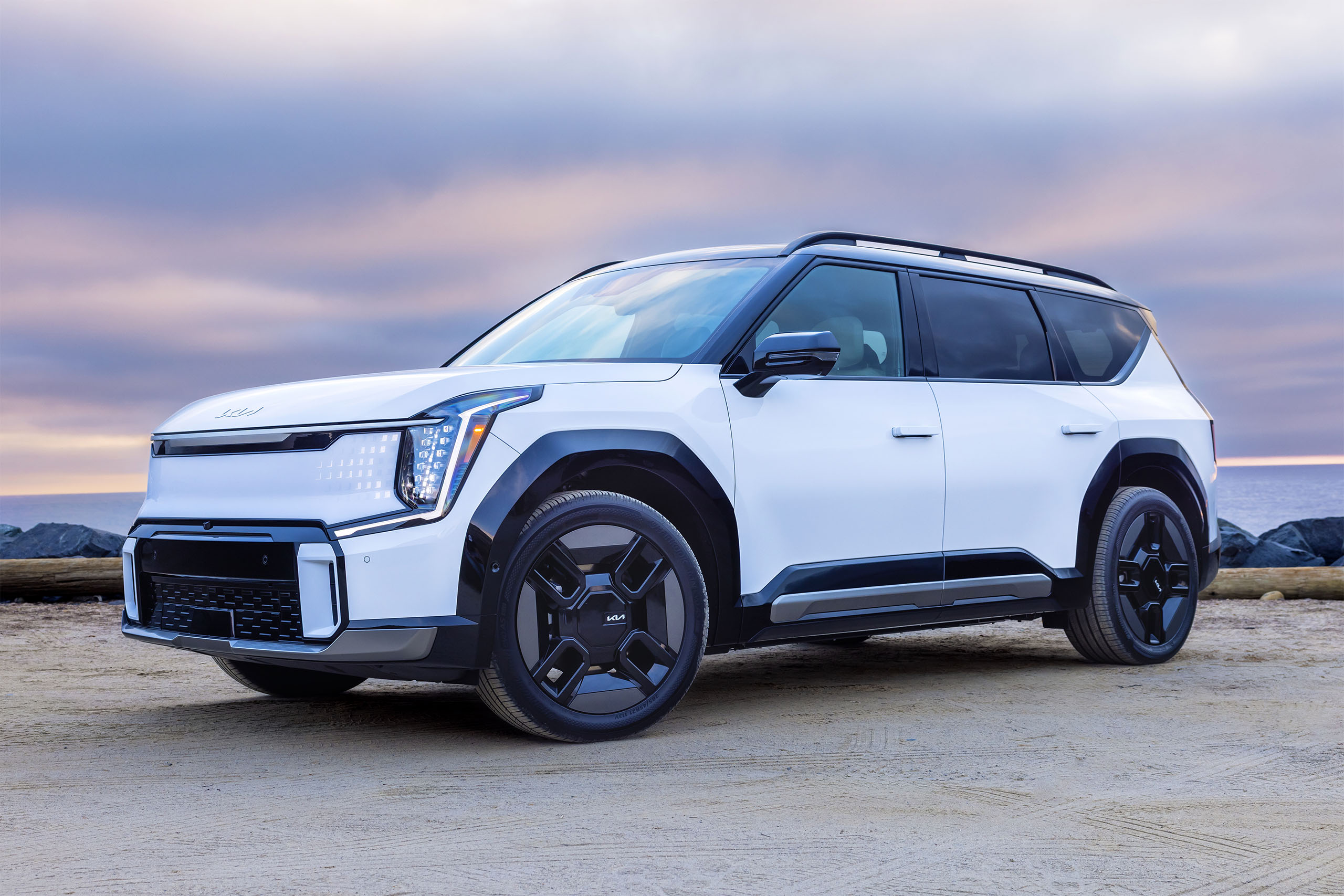
As the automotive industry continues to shift towards electric vehicles (EVs), Hyundai and Kia have been at the forefront of this trend. Their latest products offer a unique blend of performance, range, and affordability that has captured the attention of consumers in North America.
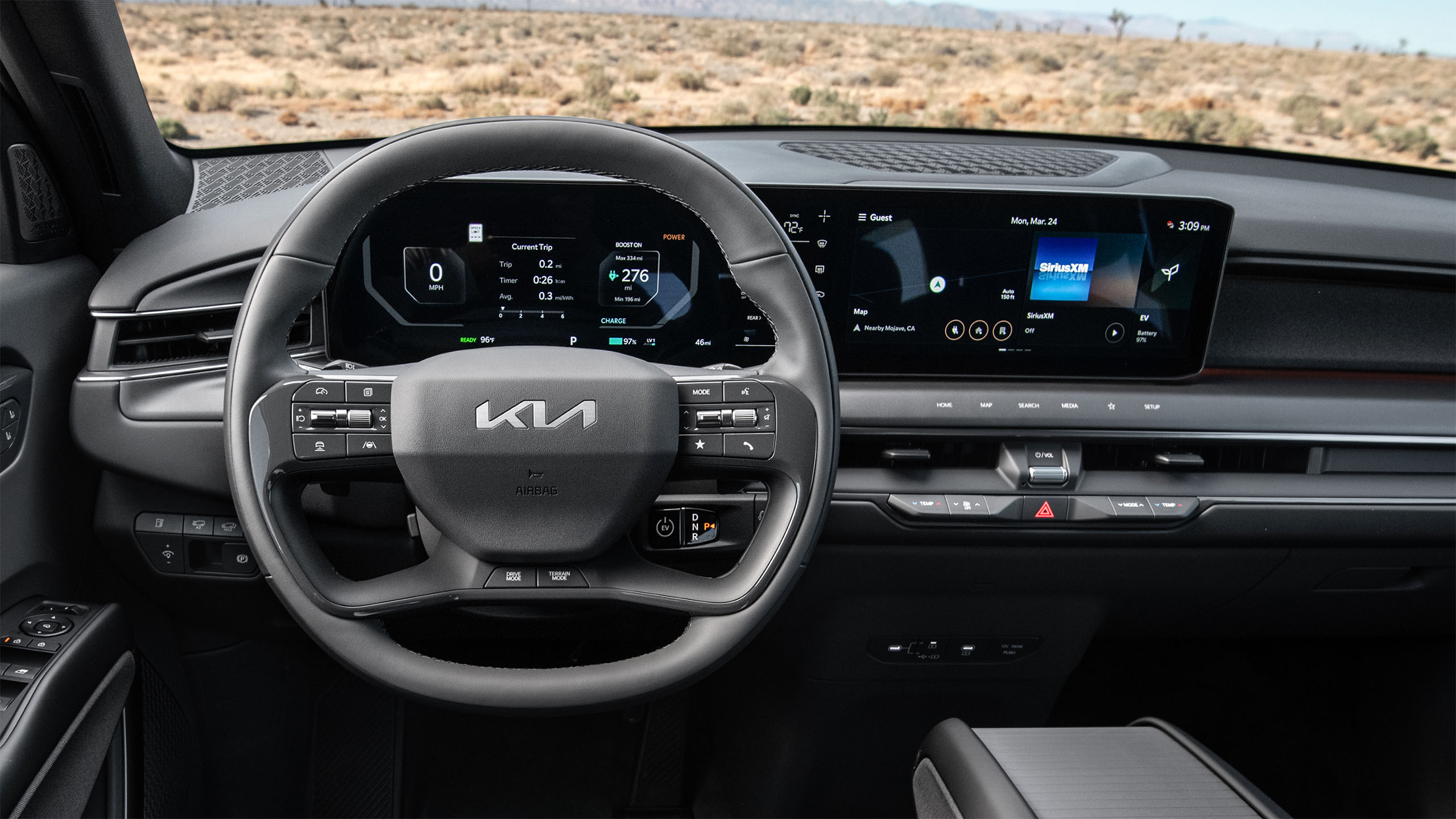
One aspect that sets these EVs apart from their competitors is their use of physical buttons, which are still prevalent in many modern cars. In an interview with The Drive, Tom Kearns, Vice President and Chief Designer at Kia Design Center America, shed light on why his company is sticking to this design approach despite the growing trend towards touchscreen interfaces.
According to Kearns, consumers in North America prefer a tactile experience when it comes to controlling volume, radio, and temperature. This preference is not just driven by personal taste but also has safety implications.
When drivers need to adjust these settings while keeping their eyes on the road, physical buttons provide an added layer of convenience and security. In contrast, touchscreen interfaces can be distracting and require drivers to take their eyes off the road for longer periods, which can lead to accidents.
Kearns emphasized that this is a regional preference, with consumers in other parts of the world, such as Asia and Europe, having different expectations when it comes to interface design. The Kia Design Center America team has taken note of these differences and is adapting their designs accordingly.
For now, it seems that Kia will continue to prioritize the needs of its North American customers, who value a more traditional driving experience with physical buttons.
The preference for physical buttons in modern cars highlights the importance of considering regional consumer preferences when designing vehicles. As the automotive industry continues to evolve, it's essential to strike a balance between technological advancements and user-centric design that meets the needs of diverse markets.


