


The US Coast Guard has implemented a new requirement for boaters operating from exterior helm stations of boats less than 26 feet in length overall and at speeds of 5 mph or more, mandating the use of an engine cut-off switch (ECOS) or engine cut-off switch lanyard (ECOSL). This measure aims to prevent the 'circle of death,' a phenomenon where a boat continues to speed around a fallen captain.
While ECOS/ECOSL does not prevent falls overboard, it can improve outcomes in case of an accident. There are two primary types of ECOS devices: safety lanyards and wireless proximity sensors.
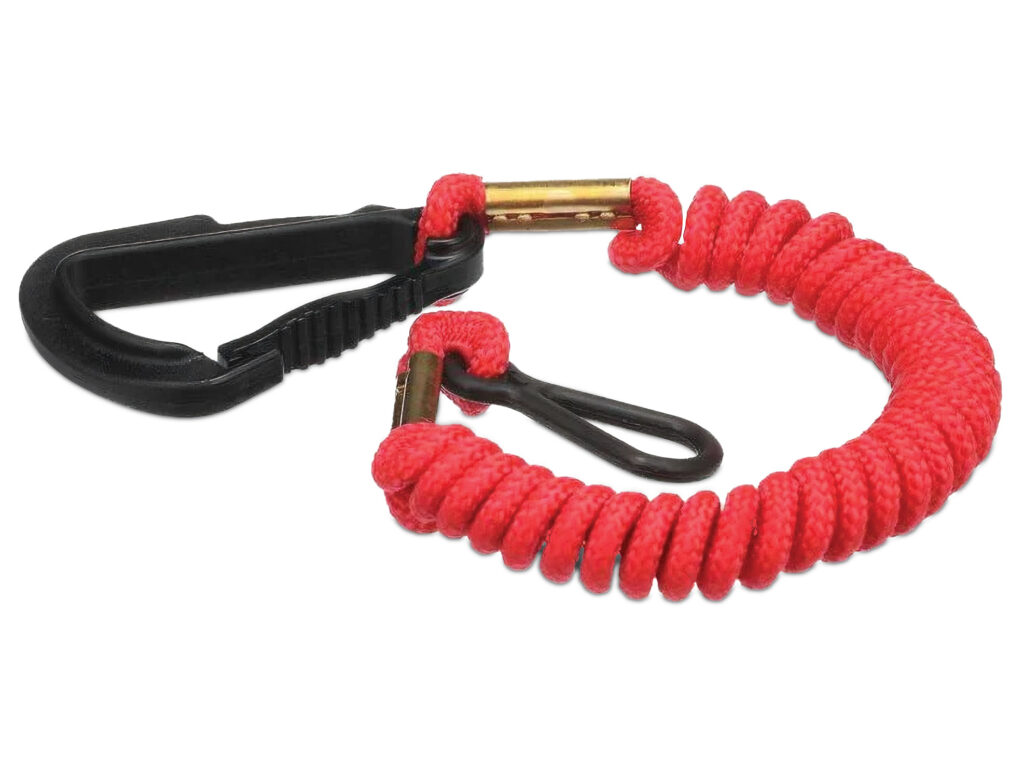
Safety lanyards are the most common type, consisting of a red, coiled cord that automatically shuts off the engine when released. However, this device can be restrictive, as it ties the captain to the helm, limiting movement.
Wireless ECOS/ECOSL systems, on the other hand, use proximity sensors and offer greater flexibility, allowing captains to roam around the boat without shutting off the engine. These systems also provide additional benefits, such as the ability to restart the boat after an activation and protect multiple crew members.
When choosing an ECOS device, it is essential to consider individual needs and preferences to ensure optimal safety and convenience.
The implementation of ECOS devices is a crucial step towards preventing the 'circle of death.' However, captains must also be aware of the potential limitations of these devices and take steps to overcome them. By understanding the different types of ECOS devices available and choosing the right one for their specific needs, boaters can enjoy greater peace of mind on the water.