

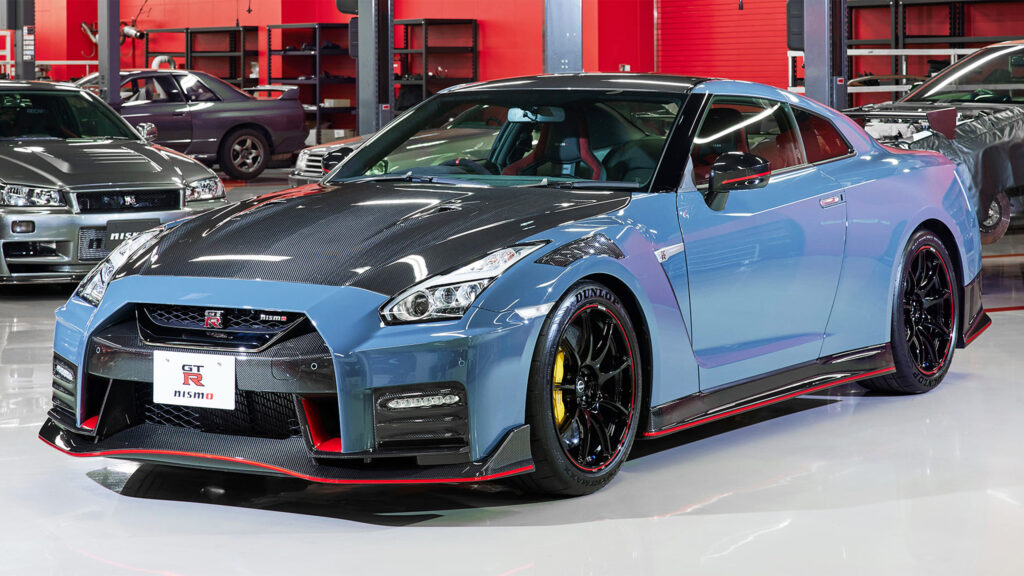
Nissan's next-generation GT-R, codenamed R36, has been shrouded in secrecy for quite some time, with production of the current R35 model extending its lifespan. However, a recent revelation from a senior executive suggests that the R36 may be closer to reality than initially thought.
The news comes as Nissan continues to work on new models, and it's now clear that the company is pushing forward with plans for the R36 GT-R. According to Ponz Pandikuthira, the senior vice president and chief planning officer for Nissan North America, the R36 will feature an all-new chassis.
While the exact details of the R36 are still scarce, Pandikuthira has revealed that the car may retain the same basic engine as the current R35 GT-R, albeit with hybridization. This could be a bold move by Nissan, as it would allow the company to minimize changes while still meeting increasingly stringent emissions standards.
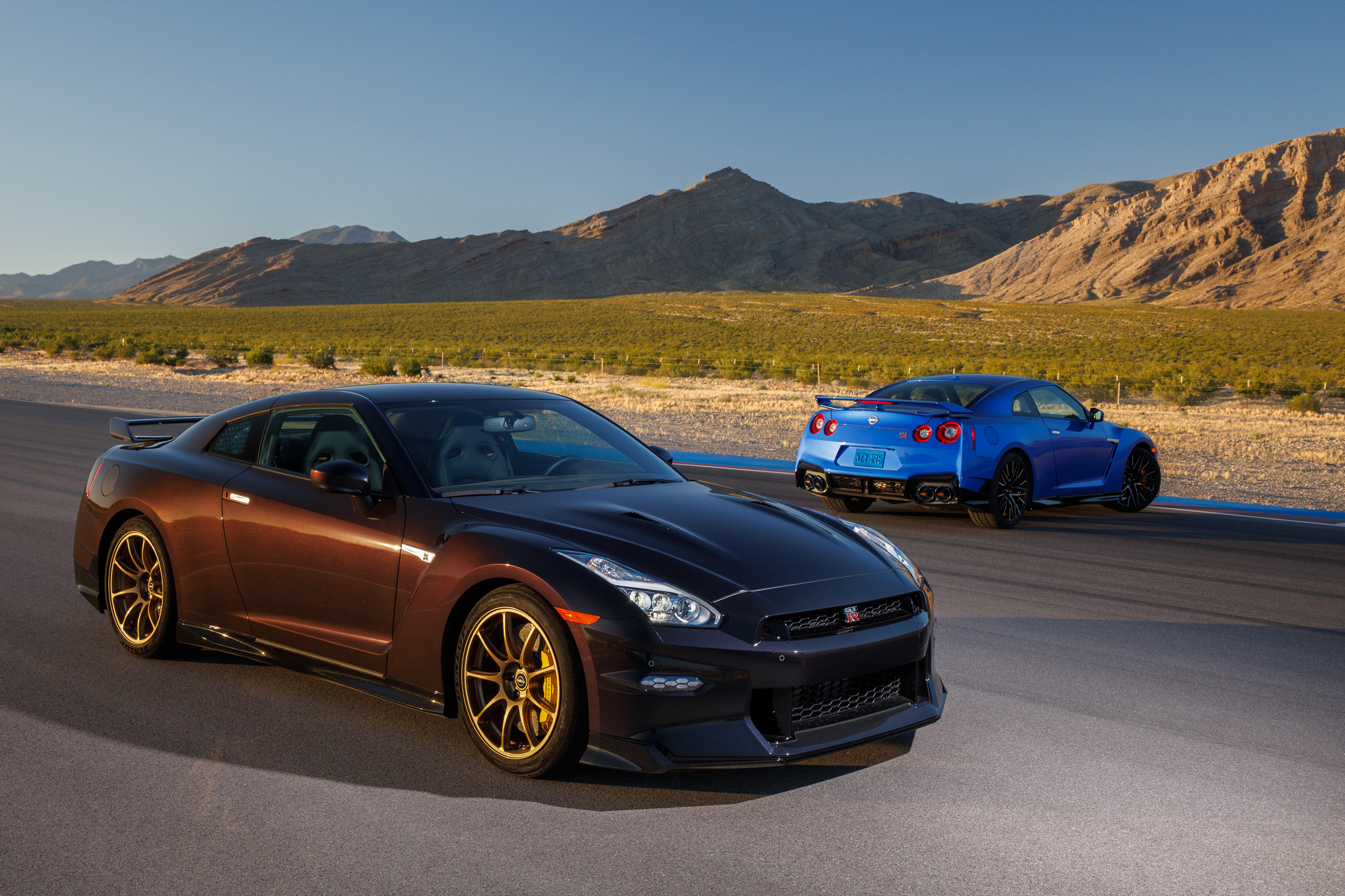
The use of a hybrid powertrain in the R36 GT-R is likely to be a major factor in its development, with Pandikuthira noting that the current VR38 V6 engine 'won't meet certain regional emissions standards.' This means that Nissan will need to make significant changes to the engine to ensure it can be sold globally.
One of the most interesting aspects of the R36's potential hybrid powertrain is the possibility of delivering well over 800 hp. If successful, this could cement the GT-R's reputation as one of the world's fastest production cars.
The fact that Pandikuthira expects 'solid concrete announcements' to be made about the car by 2028 and a release before the end of the decade suggests that Nissan is committed to bringing the R36 to market. However, it remains to be seen how the company will balance performance and emissions in its next-generation GT-R.
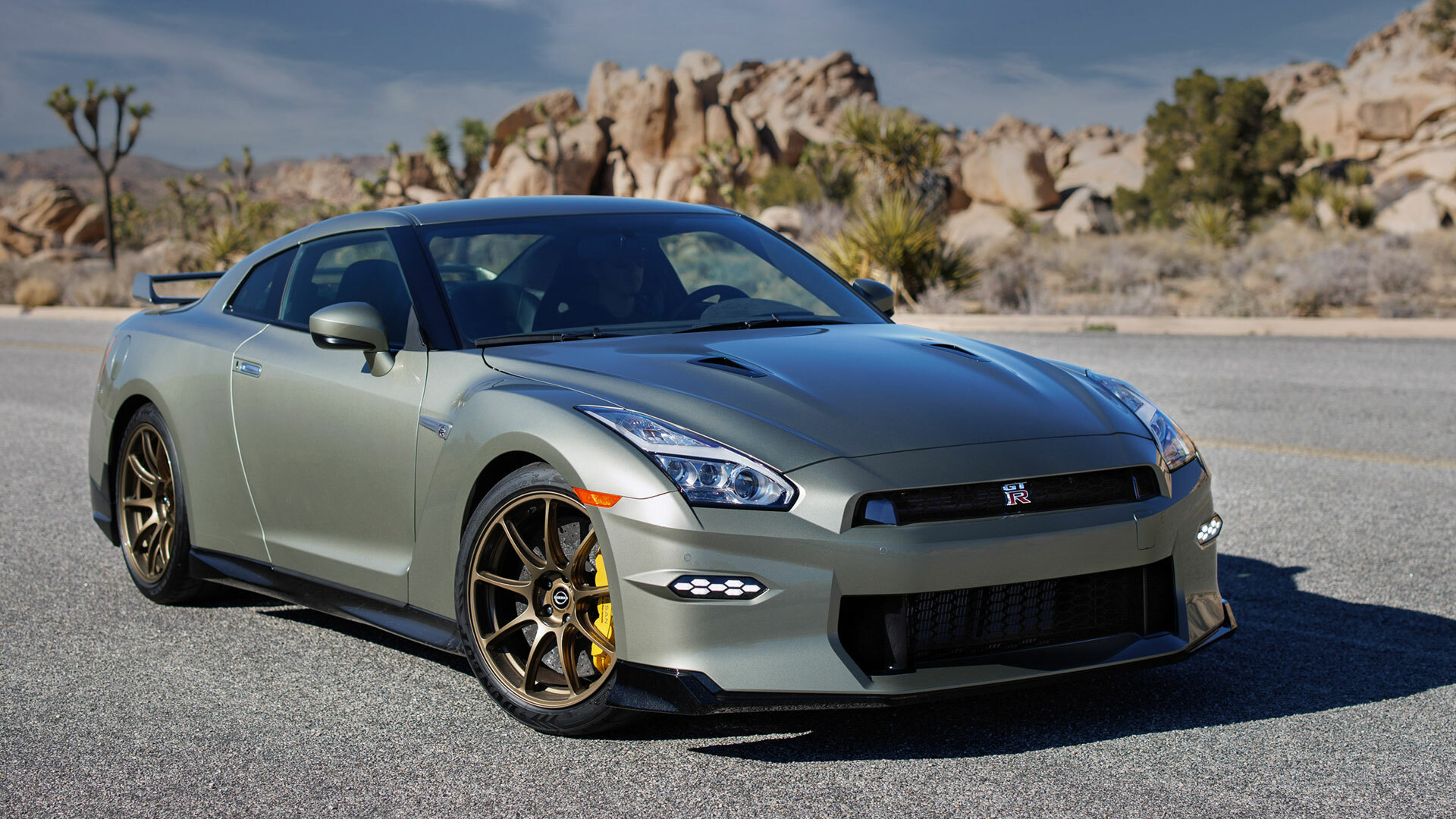
The use of a hybrid powertrain in high-performance cars like the GT-R could have significant implications for the industry as a whole. As manufacturers continue to push the boundaries of what is possible with electrification, we can expect to see more innovative solutions emerge.
While the R36's engine is likely to be a major talking point, it's worth noting that the car itself will feature an all-new chassis. This suggests that Nissan is taking a fresh approach to designing its next-generation GT-R, one that prioritizes performance and handling above all else.
As the automotive world waits with bated breath for news of the R36 GT-R, one thing is clear: Nissan's commitment to bringing this car to market remains unwavering. With production of the current R35 model extending into its fifth year, it's now more likely than ever that the R36 will arrive sooner rather than later.
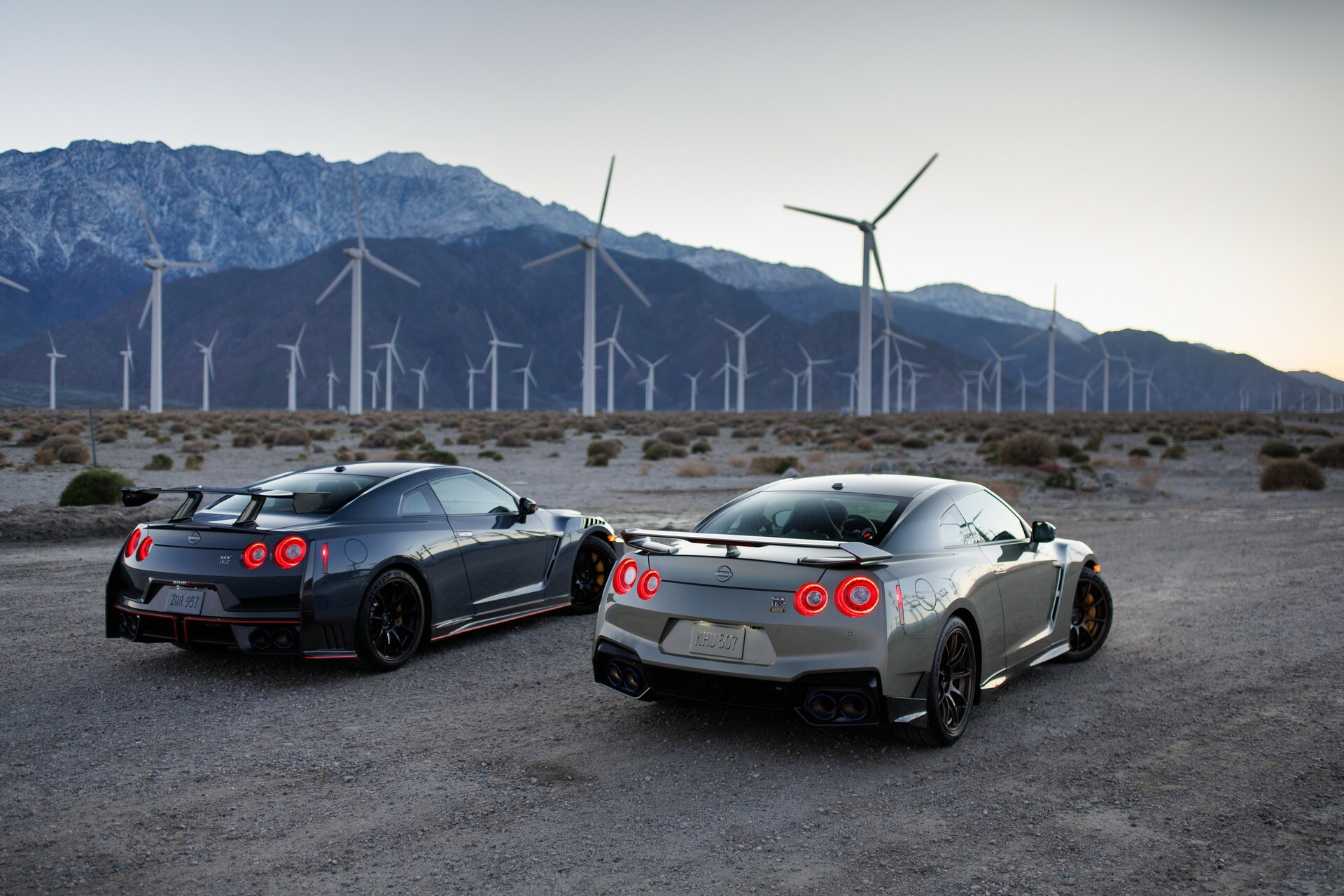
The use of a hybrid powertrain in the R36 GT-R could revolutionize the high-performance car market, but it remains to be seen how Nissan will balance performance and emissions.