


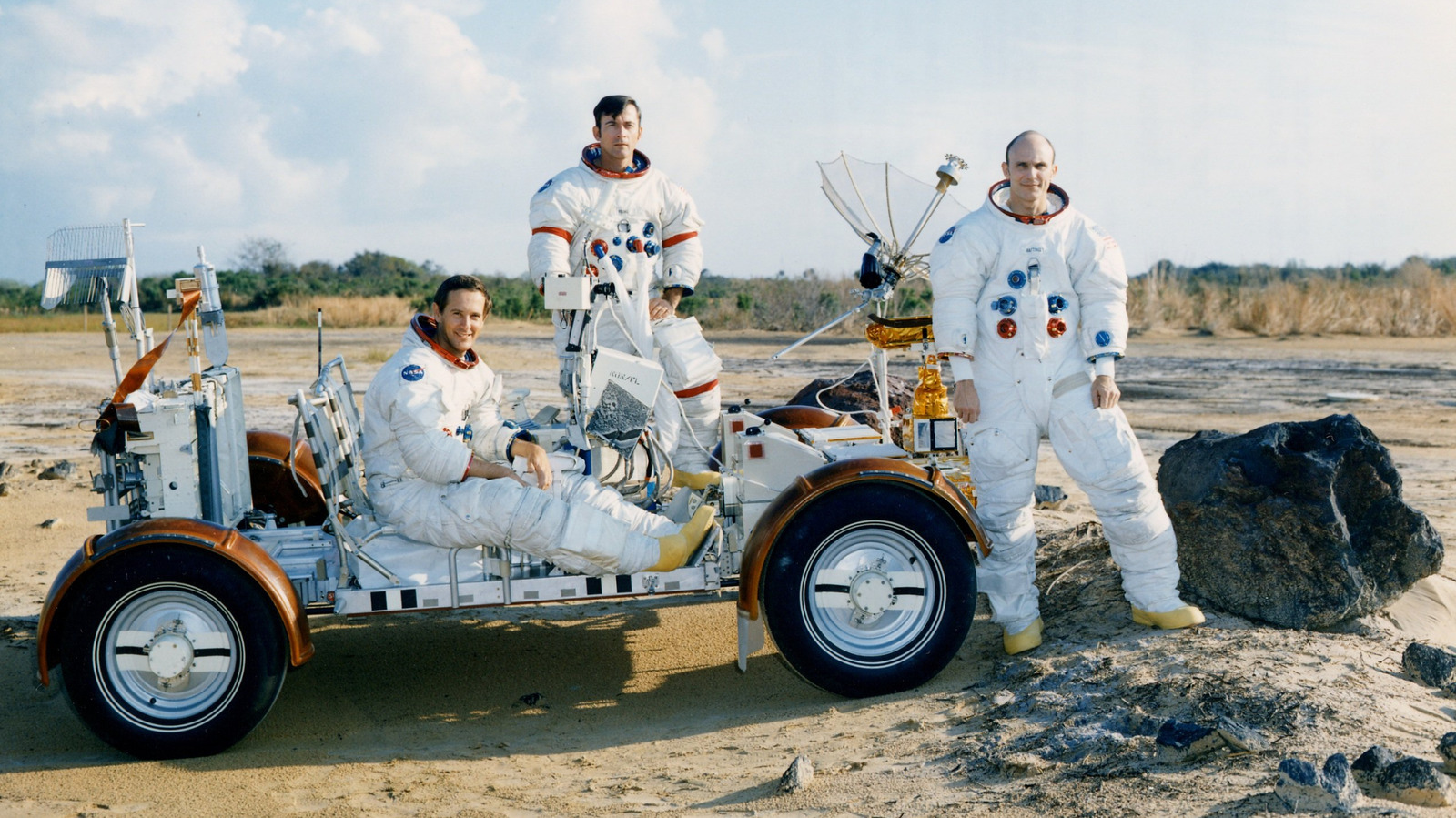
The Lunar Roving Vehicle was a groundbreaking invention that enabled astronauts to travel farther on the Moon's surface. Its purpose was to increase the amount of ground that astronauts could cover during a mission, making it an essential tool for the Apollo program.
Despite its importance, the LRV was only used during the latter three of the six Apollo landings, with a combined total of 56.2 miles traveled on the Moon across missions 15, 16, and 17.
The LRV's design presented several challenges, including getting it to the lunar surface in the first place. The vehicle had a hinged aluminum alloy chassis that could be folded and stored inside the Lunar Module, making it easier for the crew to transport.
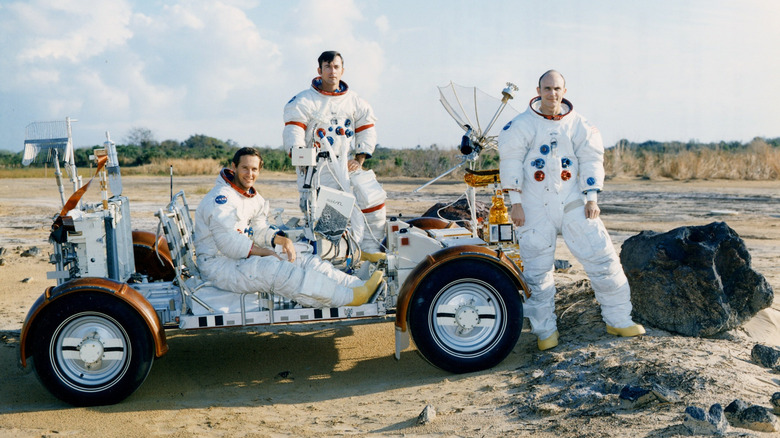
The rover was surprisingly light, weighing only 462 pounds on the Moon's surface, which made it relatively easy to move around.
To propel itself, the LRV was fitted with four electric motors at each wheel, providing a total of 57 miles of range per set of batteries. However, these batteries were not rechargeable, and the rover was left on the Moon after each mission.
The LRV's unique tires, made from woven metal, featured zinc-coated piano wire and titanium chevron treads. This design proved to be a smart decision, as the soil was harder than expected, according to the Smithsonian.
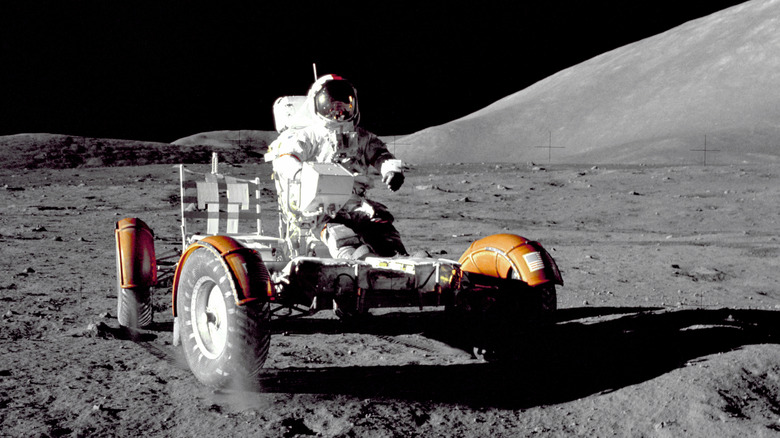
In total, four Lunar Rover Vehicles were built, with three being left on the Moon during missions and the fourth being constructed from spare parts after Apollo 18 was canceled. LRV-4 is currently on display at the Kennedy Space Center Visitor Complex.
The legacy of the lunar rover can still be seen on the lunar surface, with NASA's Lunar Reconnaissance Orbiter spotting traces of the mission in images taken over the years. The rover's tire tracks and footpaths are visible alongside U.S. flags and descent stages.
As NASA prepares to return humans to the Moon with its Artemis program, the development of new vehicles like the Lunar Terrain Vehicle is an exciting step forward for lunar exploration.
The development and deployment of lunar rovers marked a significant milestone in human space exploration, paving the way for future missions to the Moon.


