


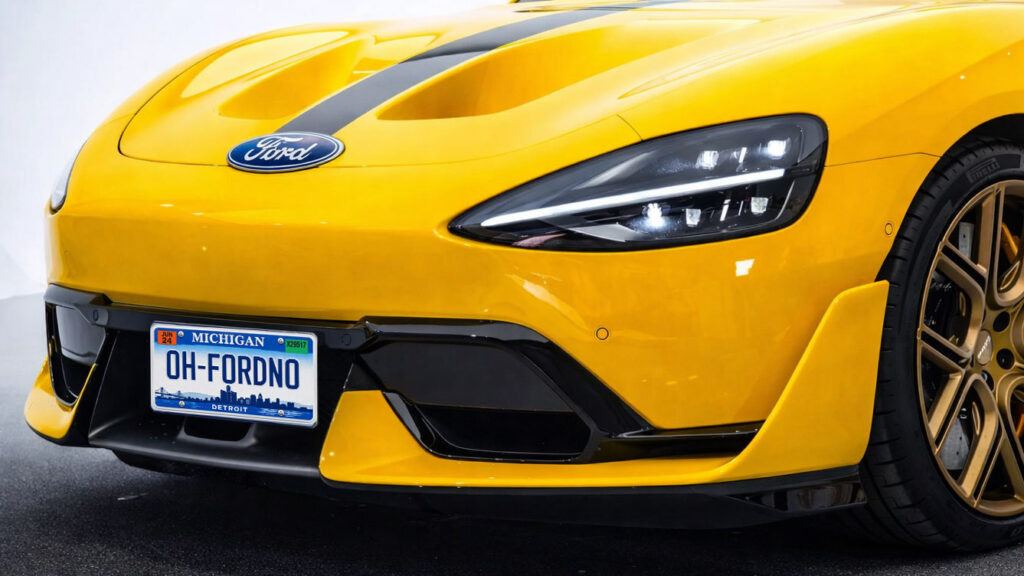
A report by The Financial Times claiming Ford and Xiaomi were in talks to jointly manufacture new electric vehicles in the US has been denied by both companies. The story, attributed to four people familiar with the matter, alleged that Ford had held discussions with Xiaomi about forming a joint venture to build future EVs on American soil.
It also claimed Ford had spoken with other Chinese automakers about possible US-based collaborations, including BYD. However, shortly after the report was published, Ford pushed back, stating that the story is completely false and adding that there is no truth to it.
Xiaomi also denied any plans to collaborate with Ford on building EVs in the US. The denial comes as a surprise, given that Ford CEO Jim Farley has been open about his praise for Chinese EVs, including the Xiaomi SU7.
This development adds weight to speculation about how closely Detroit is watching developments in China's EV market. The idea of such a deal is also politically volatile, with any partnership between an American automaker and a Chinese firm likely facing immediate scrutiny in Washington.
Current federal policy makes the prospect even more unlikely, as the Biden administration recently finalized rules that effectively block Chinese EVs from entering the US market, citing national security risks. President Donald Trump has taken a more nuanced stance, saying he'd support Chinese companies building factories in the US and employing American workers.
Despite this, the report's denial suggests that any potential collaboration between Ford and Xiaomi is highly unlikely at this time.
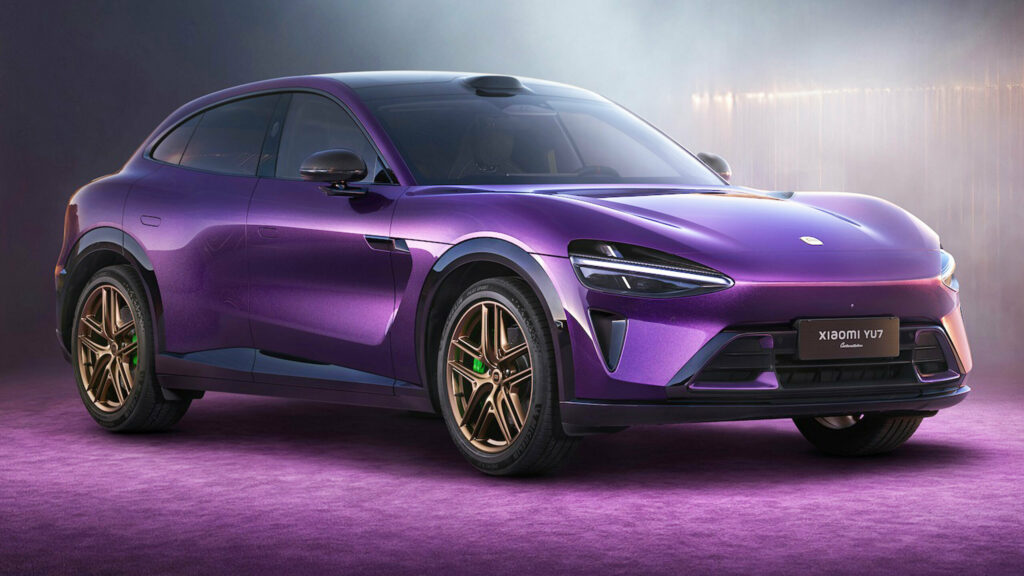
This development highlights the complex web of relationships between major automakers and their Chinese counterparts, particularly when it comes to EV manufacturing. The lack of clarity on this issue underscores the need for greater transparency and cooperation between governments and industry players to ensure a level playing field for all stakeholders.


