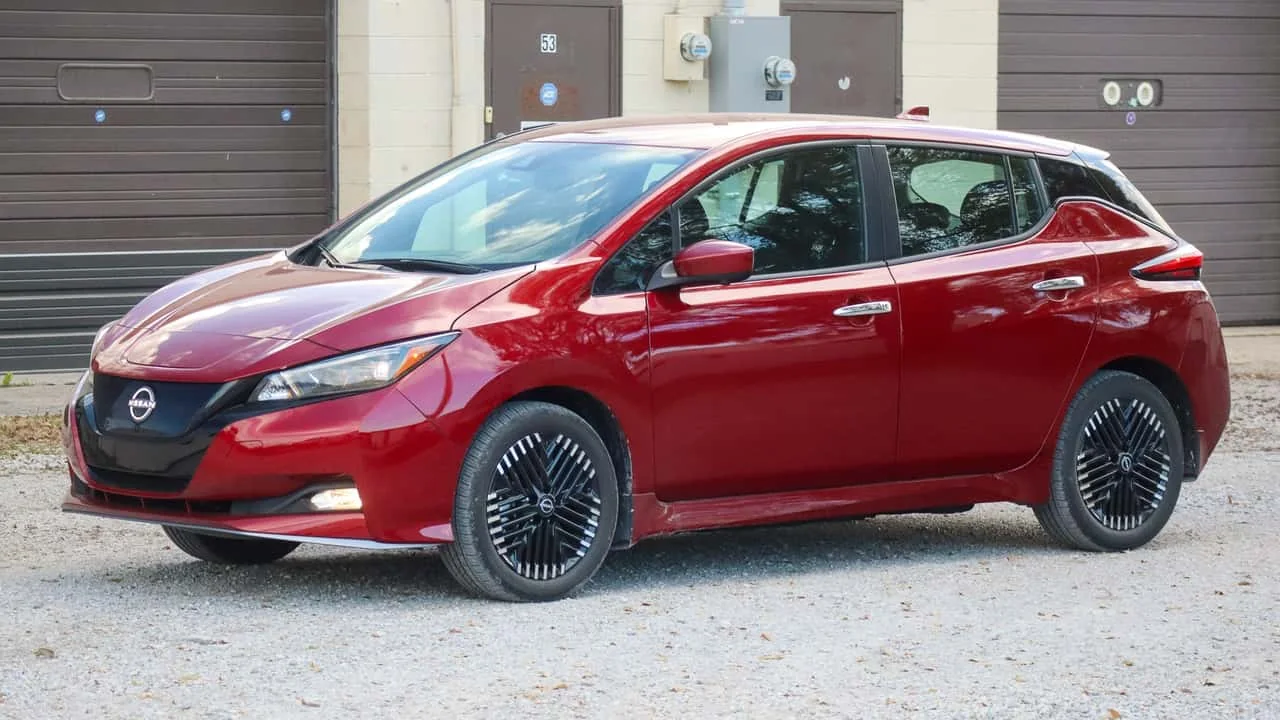
The automotive industry has witnessed significant changes over the past seven years, with hybrid vehicles experiencing a brutal depreciation period. In contrast to their gas-powered counterparts, hybrids have shown remarkable resilience and are now depreciating at a slower rate. This shift is largely attributed to advancements in technology and changing consumer preferences. As a result, hybrids have become increasingly attractive options for environmentally conscious buyers.
The data suggests that hybrids are no longer the worst-performing vehicles in terms of depreciation. In fact, studies have shown that they are now depreciating at rates comparable to those of gas cars. This trend is expected to continue as more manufacturers invest in hybrid and electric vehicle technology. The implications of this shift are far-reaching, with potential benefits for consumers and the environment.
One key factor contributing to the improved depreciation rates of hybrids is the increasing efficiency of their powertrains. Advances in battery technology and engine design have led to significant reductions in fuel consumption and emissions. As a result, hybrids are now offering comparable performance to their gas-powered counterparts while providing a more environmentally friendly option.
Another factor driving the improved depreciation rates of hybrids is the growing demand for eco-friendly vehicles. Consumers are increasingly seeking out alternatives to traditional gas cars, and hybrids are well-positioned to capitalize on this trend. As a result, manufacturers are investing heavily in hybrid technology, leading to increased efficiency and reduced production costs.
The shift towards more sustainable transportation options has also led to changes in consumer behavior. Many buyers are now prioritizing fuel efficiency and environmental impact over other factors such as performance and luxury features. This shift is expected to continue, with hybrids playing a key role in the transition to more eco-friendly vehicles.
While hybrids have made significant strides in terms of depreciation, there is still much work to be done. The industry must continue to invest in research and development to improve the efficiency and performance of hybrid powertrains. Additionally, manufacturers must address concerns around affordability and accessibility to ensure that hybrids remain a viable option for consumers.
The improved depreciation rates of hybrids are also having a positive impact on the environment. By reducing fuel consumption and emissions, hybrids are helping to mitigate the negative impacts of transportation on the environment. As the industry continues to shift towards more sustainable options, hybrids will play an increasingly important role in reducing our carbon footprint.
As the market continues to evolve, it is clear that hybrids will remain a vital part of the automotive landscape. With their improved depreciation rates and increasing efficiency, hybrids are now offering consumers a compelling alternative to traditional gas cars. As manufacturers continue to invest in hybrid technology, we can expect to see even more innovative solutions emerge in the coming years.
Ultimately, the improved depreciation rates of hybrids offer a glimmer of hope for environmentally conscious buyers. While there is still much work to be done, the trend towards more sustainable transportation options is clear. As the industry continues to shift towards a more eco-friendly future, hybrids will play an increasingly important role in reducing our carbon footprint and promoting a more sustainable transportation ecosystem.