

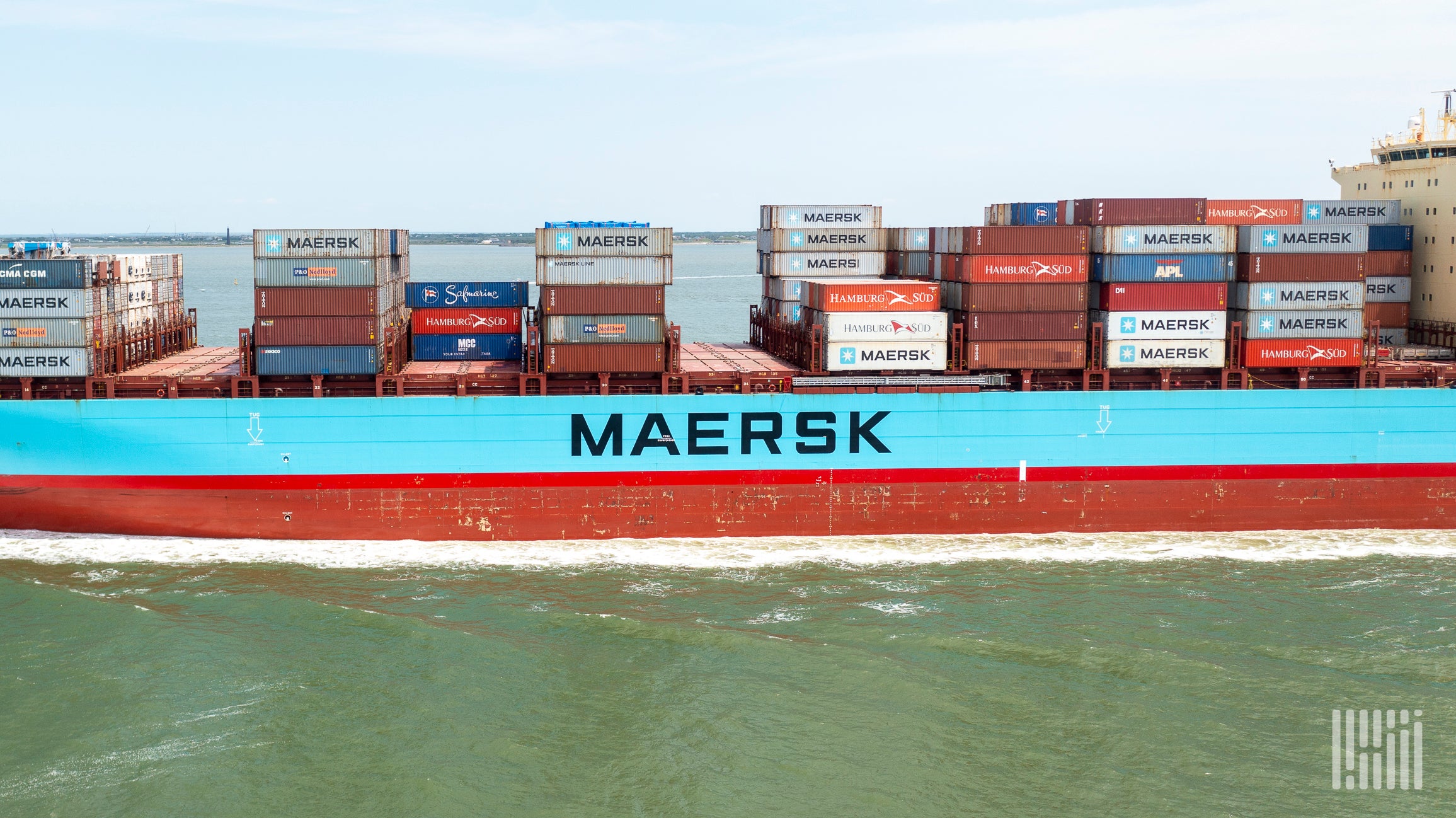
The Federal Maritime Commission has denied Maersk's request to waive the notice period for an emergency fuel surcharge, citing a lack of good cause. This decision comes as bunker fuel prices have skyrocketed due to the closure of the Strait of Hormuz by Iran, affecting tanker traffic and causing significant increases in fuel costs. The FMC had previously rejected an initial request from Maersk and other carriers to waive the waiting period.
Maersk's decision to implement a temporary fuel surcharge is driven by the sharply rising bunker costs, which have increased dramatically due to the Iran conflict. The company has reported a profit of $2.73 billion in 2025, but the rising fuel costs pose a significant challenge to its ability to maintain profitability.
The FMC's decision highlights the need for carriers to demonstrate a clear link between their proposed surcharge and their increased costs. Without this evidence, it is unlikely that the commission will grant special permission to reduce the notice period.

Some have expressed concern over profiteering by carriers during times of crisis, particularly when rates are already weak and profits are falling. The Iran conflict has exposed vulnerabilities in the shipping industry's ability to adapt to changing market conditions.
The closure of the Strait of Hormuz has had a profound impact on global fuel prices, with bunker fuel costs soaring from $509 per metric ton to $929 per ton over just 30 days. This dramatic increase has left carriers struggling to absorb the full impact.
Maersk's plan to apply a temporary fuel surcharge of up to $400 per container on long-haul routes and as much as $600 on refrigerated containers is aimed at recouping these increased costs. However, this move may be seen as profiteering by some, particularly given the current state of weak rates and falling profits.
The FMC's rejection of Maersk's request underscores the importance of ensuring that carriers act in good faith when implementing surcharges during times of crisis. The commission's decision also highlights the need for greater transparency and disclosure from carriers on their costs and pricing strategies.
As the shipping industry continues to navigate the challenges posed by the Iran conflict, it is clear that carriers will face significant pressure to absorb rising fuel costs. Maersk's experience serves as a reminder of the importance of careful planning and strategic decision-making in managing these risks.
Ultimately, the FMC's rejection of Maersk's request for an emergency fuel surcharge highlights the need for greater balance between carrier profitability and the needs of shippers during times of crisis.