

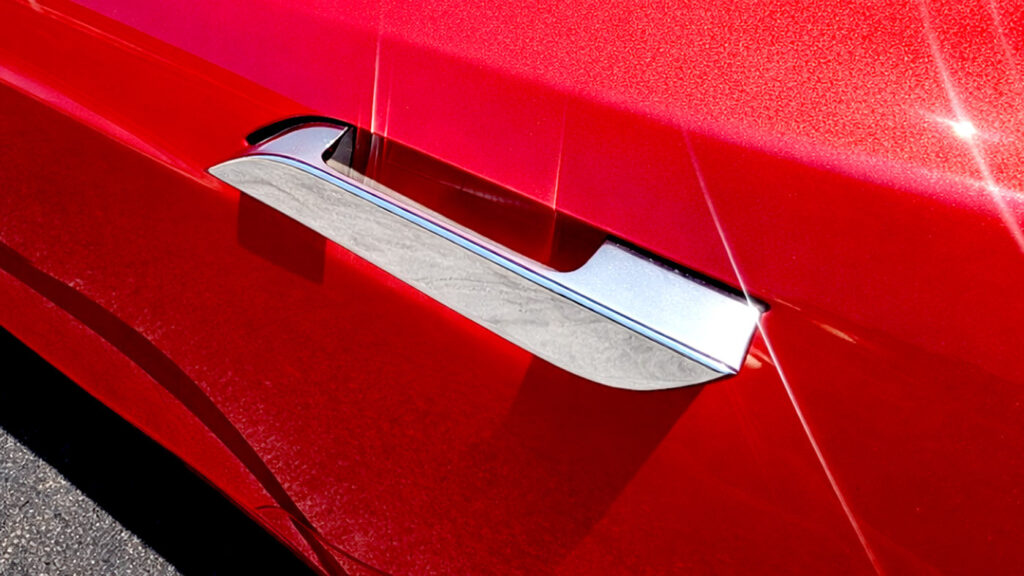
In an effort to address safety concerns following several high-profile fatal accidents involving electric vehicles with electronically operated doors, China has officially banned the use of these door handles on all new vehicles sold in the country. Starting January 1, 2027, manufacturers will be required to install mechanical door handles both inside and outside their electric vehicles.
The regulation takes effect after a string of incidents where power failures were suspected to have prevented doors from opening in time. China's new rules are unusually specific, requiring exterior handles with clear handholds and interior signage for emergency access.
This major shift in design standards could reshape the way automakers approach door handle design worldwide, particularly for electric vehicles. With roughly 60 percent of China's top 100 best-selling new-energy vehicles reportedly using concealed door handles as recently as April, this ban affects many popular EV models, including Tesla's Model 3 and Model Y, BMW's upcoming iX3, and offerings from Nio, Li Auto, Xpeng, and Xiaomi.
4 million per model. This ban also highlights the need for standardization in door handle design across all markets, potentially cutting costs and streamlining development.
Interestingly, the ban does not affect cars that aren't electric, leaving gas-powered vehicles with similar designs under scrutiny.
This ban is a significant step towards prioritizing safety in the EV industry, but it also highlights the need for global standardization to avoid duplication of efforts and costs. By setting a precedent, China may be able to influence other regulatory bodies to follow suit, leading to a more uniform approach to door handle design across all passenger vehicles.