

Nissan's electric vehicle (EV) sales have taken a significant hit in the US market, with the company's EV sales almost completely collapsing in the first quarter of 2026. The decline is attributed to the ending of the $7,500 US EV tax credit, which was expected to impact sales but not to this extent. This trend is particularly concerning given the growing demand for electric vehicles worldwide and their increasing popularity in countries without incentives.
The Nissan LEAF, one of the most popular EV models in the US market, saw a staggering 71.2% decline in sales compared to the first quarter of 2025. The model achieved only 668 US sales last quarter, which is a far cry from its expected performance given its value for money. This decline highlights the vulnerability of the US EV market to policy changes and suggests that consumers are highly sensitive to incentives.
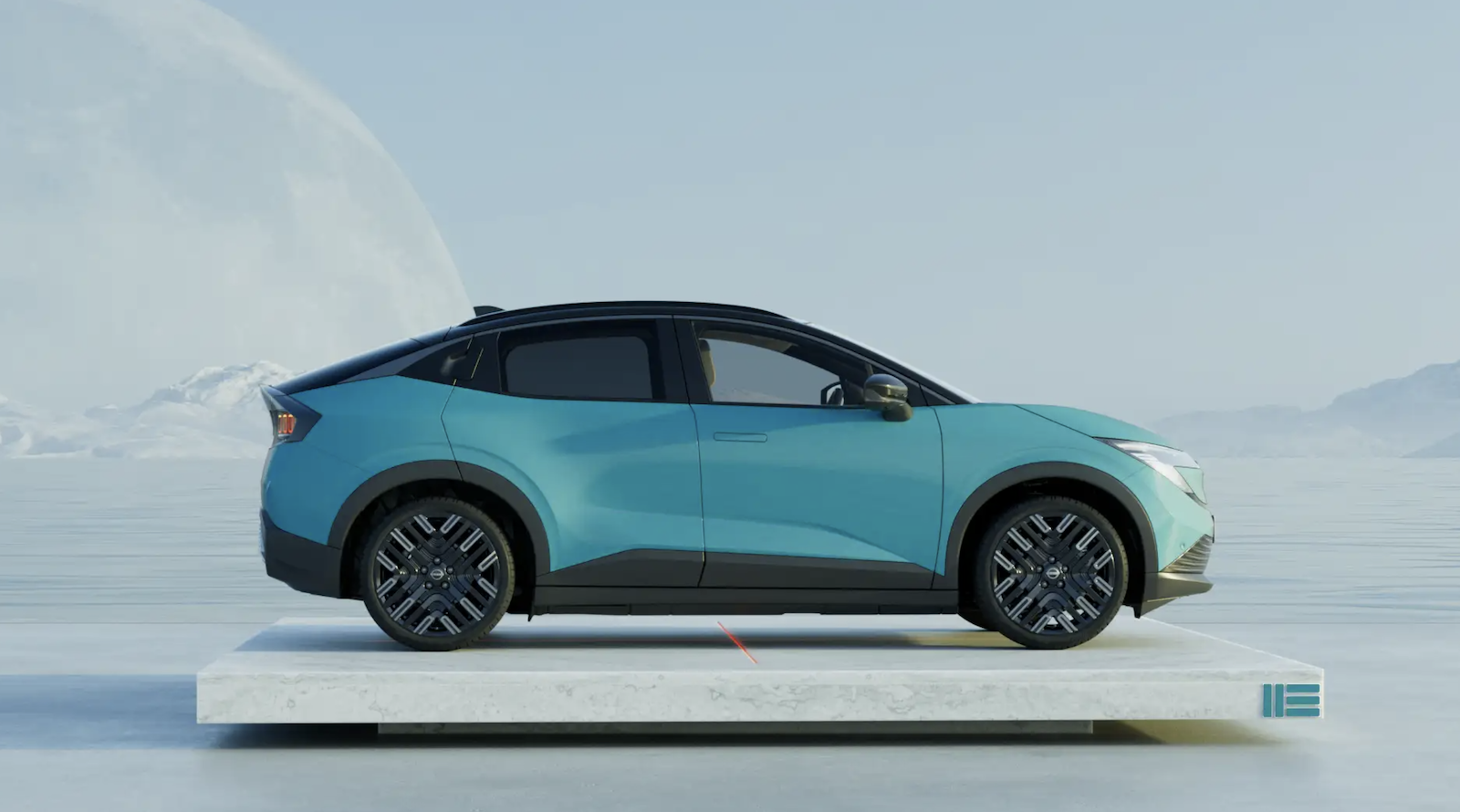
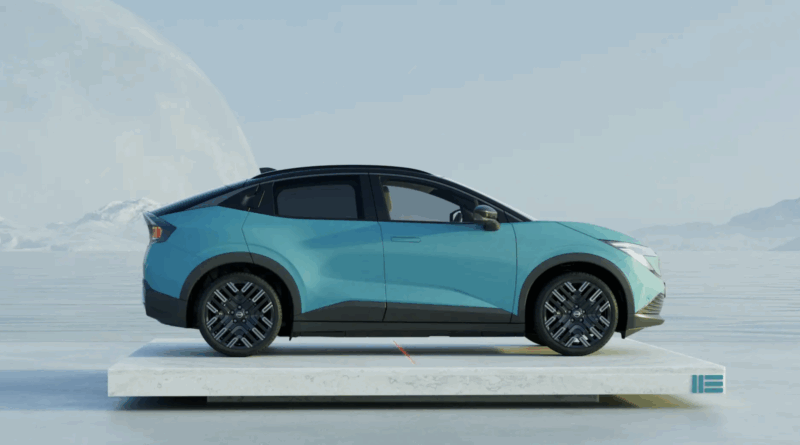
The Nissan ARIYA, another popular EV model, fared even worse, with deliveries plummeting by 98.6% compared to the first quarter of 2025. The ARIYA was dropped from the market in 2026, which further exacerbates the decline and raises questions about the viability of the US EV market without government incentives.
The collapse of Nissan's EV sales is a stark reminder that the US market is highly susceptible to policy changes and consumer sentiment. Despite the growing demand for electric vehicles worldwide, the US market has been decimated by the loss of the $7,500 EV tax credit. This trend suggests that consumers are not yet convinced of the benefits of electric vehicles and that incentives play a significant role in driving adoption.
The decline in Nissan's EV sales is also a concern given the long-term implications for the automotive industry and the environment. As governments around the world continue to promote electric vehicle adoption, it is essential that industries like automakers adapt to changing consumer preferences and policy landscapes.
Despite the bleak outlook for the US market, some analysts are cautiously optimistic about the prospects for EV sales in the second quarter. The ongoing war in Iran and high gas prices may lead to increased demand for electric vehicles as consumers seek alternative options.
However, based on recent trends, it is hard to have hope for the US market's recovery. The country's unique blend of consumer preferences, policy landscape, and economic factors makes it challenging for EVs to gain traction without government incentives.
The decline in Nissan's EV sales also raises questions about the effectiveness of government policies aimed at promoting electric vehicle adoption. While tax credits can be an effective incentive, they may not be enough to drive significant changes in consumer behavior.
Ultimately, the collapse of Nissan's EV sales serves as a wake-up call for the automotive industry and policymakers. It highlights the need for more effective incentives and policies that support the transition to electric vehicles and promote sustainable transportation options.
The US market's failure to adopt electric vehicles at scale is a missed opportunity for reducing greenhouse gas emissions and mitigating climate change. As governments around the world continue to promote EV adoption, it is essential that industries like automakers prioritize sustainability and adapt to changing consumer preferences.