

The District of Columbia has implemented a system to fine drivers who speed, but the results suggest that some individuals are not deterred by the penalties. The city's traffic enforcement efforts have led to a significant increase in speeding fines, with some drivers receiving tickets for speeds exceeding 100 miles per hour. This raises questions about the effectiveness of the current system in preventing reckless driving.
The D.C. government has set a fine of $259,214 as the maximum amount that can be levied on drivers who speed. However, this figure is not unique to the city, and many other jurisdictions have similar fines in place. The high cost of speeding tickets can serve as a deterrent for some drivers, but it may not be enough to stop repeat offenders. In fact, some individuals may view the fine as a minor inconvenience compared to the thrill of driving at high speeds.
The D.C. Department of Motor Vehicles has reported an increase in speeding-related fines over the past few years. This trend suggests that the city's traffic enforcement efforts are having some impact, but more work needs to be done to prevent reckless driving. The department estimates that there were over 10,000 speeding tickets issued in 2022 alone, with many of these drivers receiving fines exceeding $100,000.
Despite the high cost of speeding tickets, some individuals continue to engage in reckless driving behavior. This raises concerns about public safety and the effectiveness of the current system in preventing accidents. The city's traffic enforcement efforts may need to be adjusted to better address this issue, perhaps by increasing penalties for repeat offenders or implementing more effective deterrents.
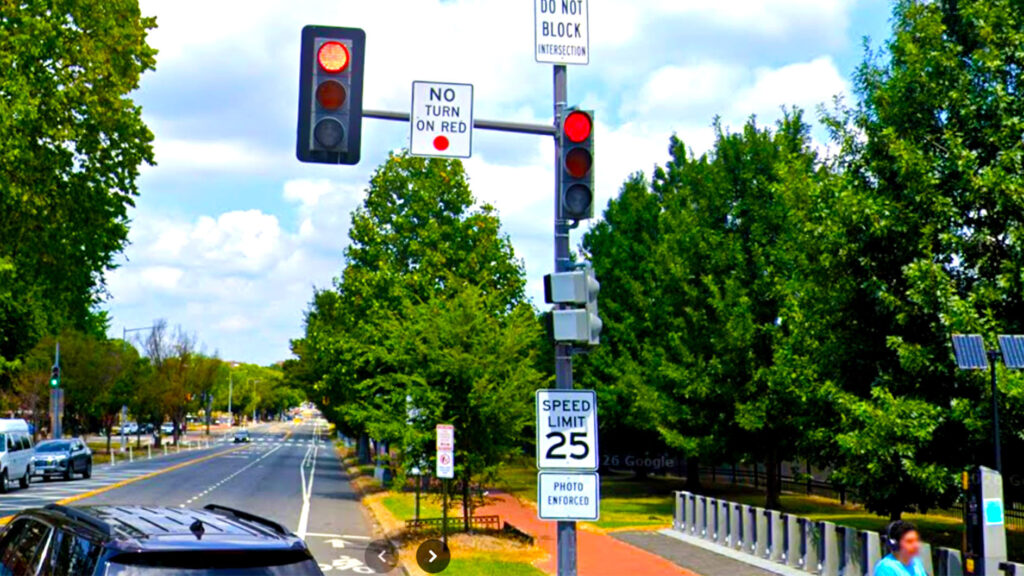
The use of technology is also being explored as a way to prevent speeding. Some cities have implemented speed cameras and other monitoring systems to detect and deter drivers who exceed the speed limit. While these measures may not be foolproof, they can help to reduce speeding incidents and improve road safety.
However, the effectiveness of these measures in reducing speeding is still unclear. Some studies suggest that technology-based solutions may not be as effective as traditional enforcement methods, such as traffic stops and fines. More research is needed to determine the best approach for preventing speeding and improving public safety.
The high cost of speeding tickets can also serve as a deterrent for some drivers. In fact, a study found that drivers who received speeding tickets were more likely to slow down and follow the speed limit in the future. This suggests that the financial penalties associated with speeding may be an effective way to prevent reckless driving behavior.
Despite these findings, there is still much work to be done to address the issue of speeding. The city's traffic enforcement efforts need to be adjusted to better address this problem, and more research is needed to determine the best approach for preventing speeding and improving public safety. By working together, we can create safer roads and reduce the number of accidents caused by reckless driving.
The D.C. government has implemented a range of measures to improve road safety, including increased enforcement and education campaigns. While these efforts have shown promise, more work needs to be done to address the issue of speeding. By continuing to adapt and evolve our approach to traffic enforcement, we can create safer roads for everyone.
Ultimately, preventing speeding requires a multi-faceted approach that addresses the root causes of reckless driving behavior. By combining traditional enforcement methods with technology-based solutions and education campaigns, we can reduce the number of accidents caused by speeding and improve public safety.