

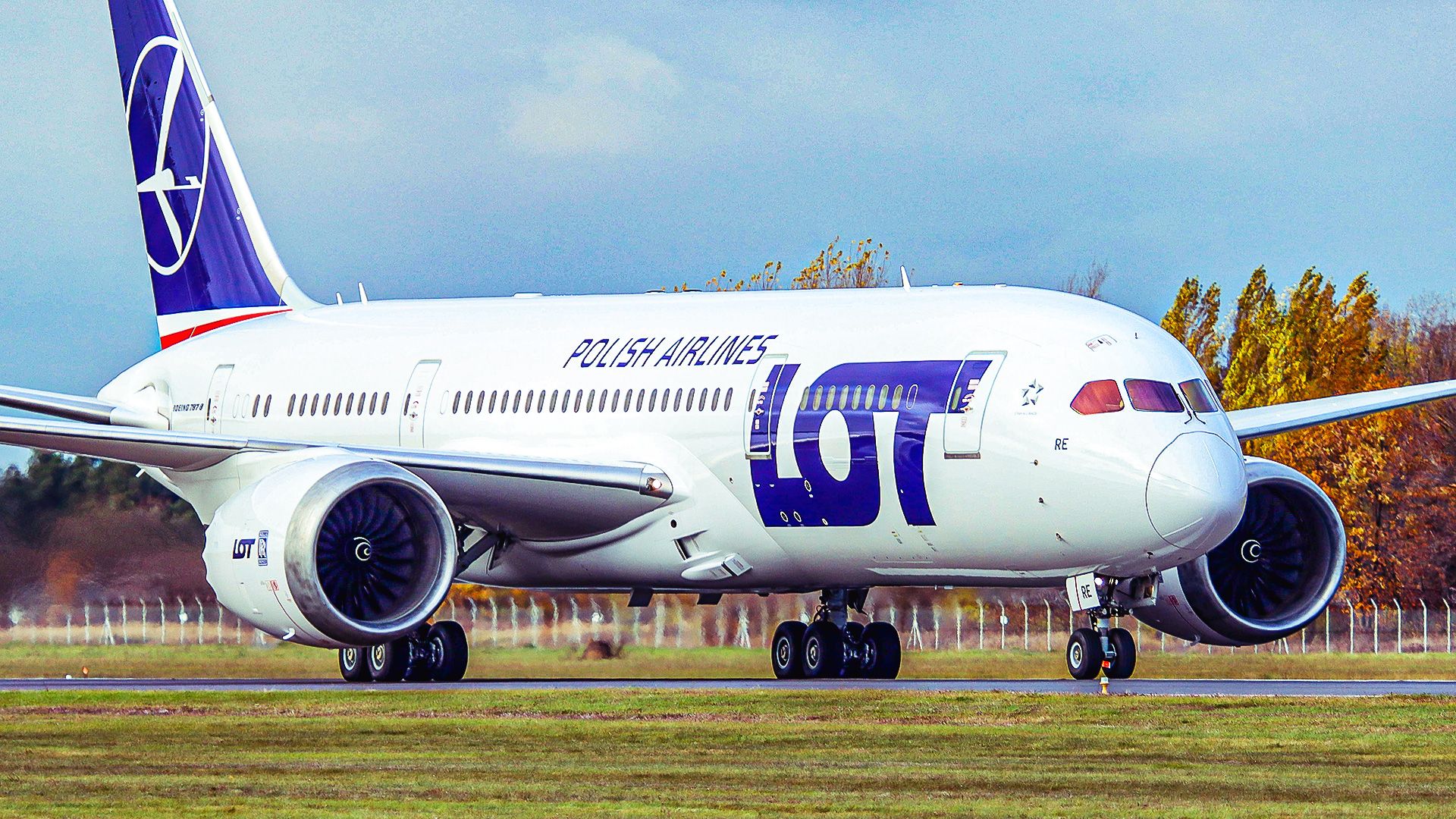
The Boeing 787 Dreamliner has become a cornerstone of modern airline fleets, delivering long-range capability, improved fuel efficiency, and passenger comfort. Despite its commercial significance, the aircraft's cost remains a complex topic, with prices varying significantly depending on variant, order size, customization, and negotiated discounts. This breakdown aims to provide a detailed understanding of Boeing 787 pricing in 2026, including list prices, actual transaction values, and differences between variants.
The aviation industry has shifted away from regularly publishing updated list prices for aircraft, instead relying on legacy figures as benchmark reference points. These estimates are based on recent years' data and provide a rough estimate of the 2026 list prices for the Boeing 787 family, including the 787-8, 787-9, and 787-10 variants.
The price range for the Boeing 787-8 is estimated to be between $248 million and $260 million, while the 787-9 variant falls within a range of $292 million to $305 million. In contrast, the largest and most expensive variant, the 787-10, has a price range of $338 million to $355 million.
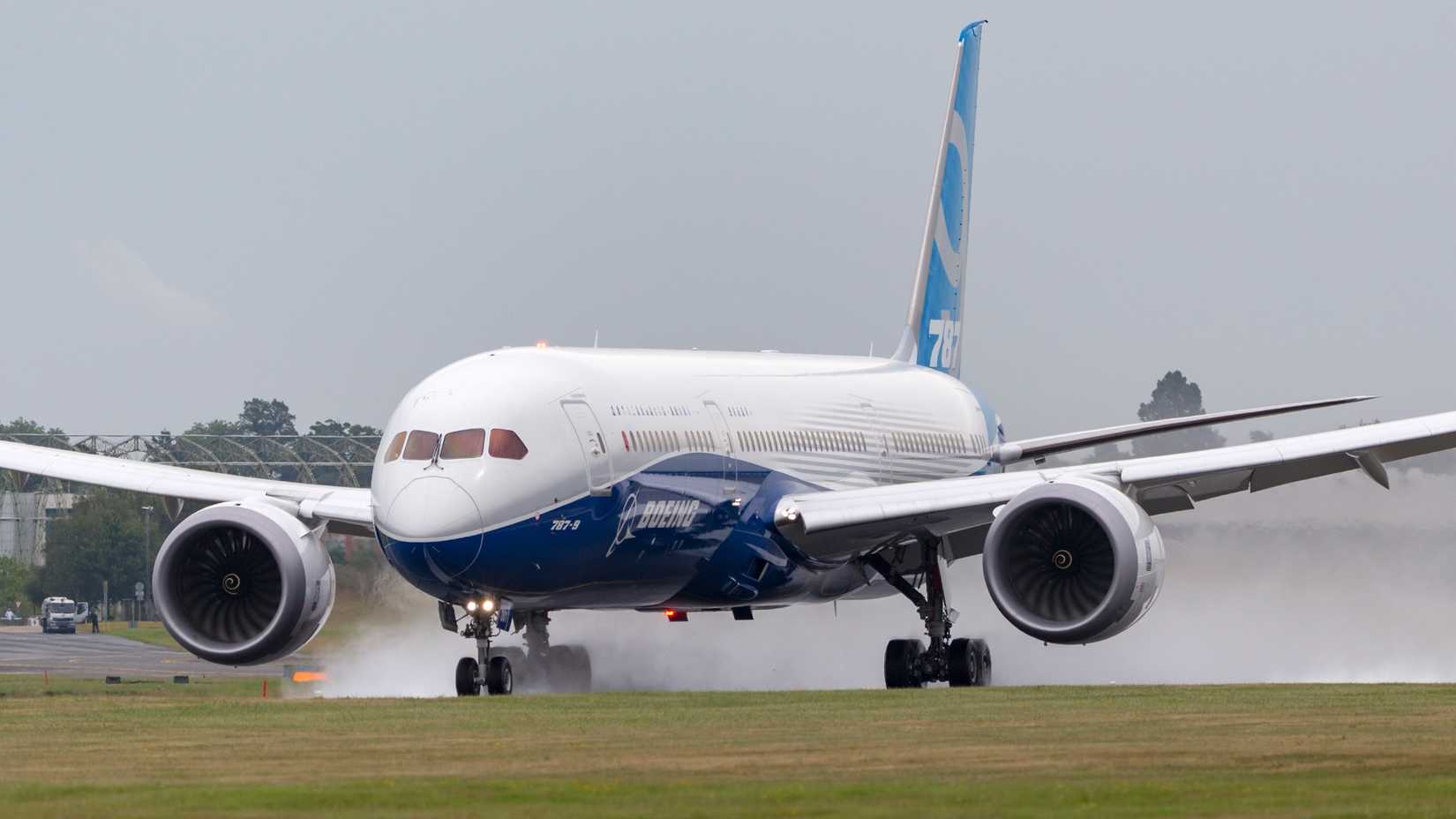
The Boeing 787-8 is the smallest and least expensive variant, with the 787-10 being the largest and most expensive. The 787-9 sits in the middle and has become the most widely used version due to its balance of range and passenger capacity.
These list prices provide a useful baseline for comparing aircraft across manufacturers and understanding the relative positioning of the 787 family in the widebody market. However, it is essential to note that these reference prices do not reflect what airlines actually pay, as nearly all aircraft are sold at significant discounts.
In practice, discounts on Boeing 787 transactions can range between 30% and 50%, making negotiated transaction prices far more relevant than any published list values. This highlights the importance of considering real-world transaction prices when evaluating aircraft valuation.
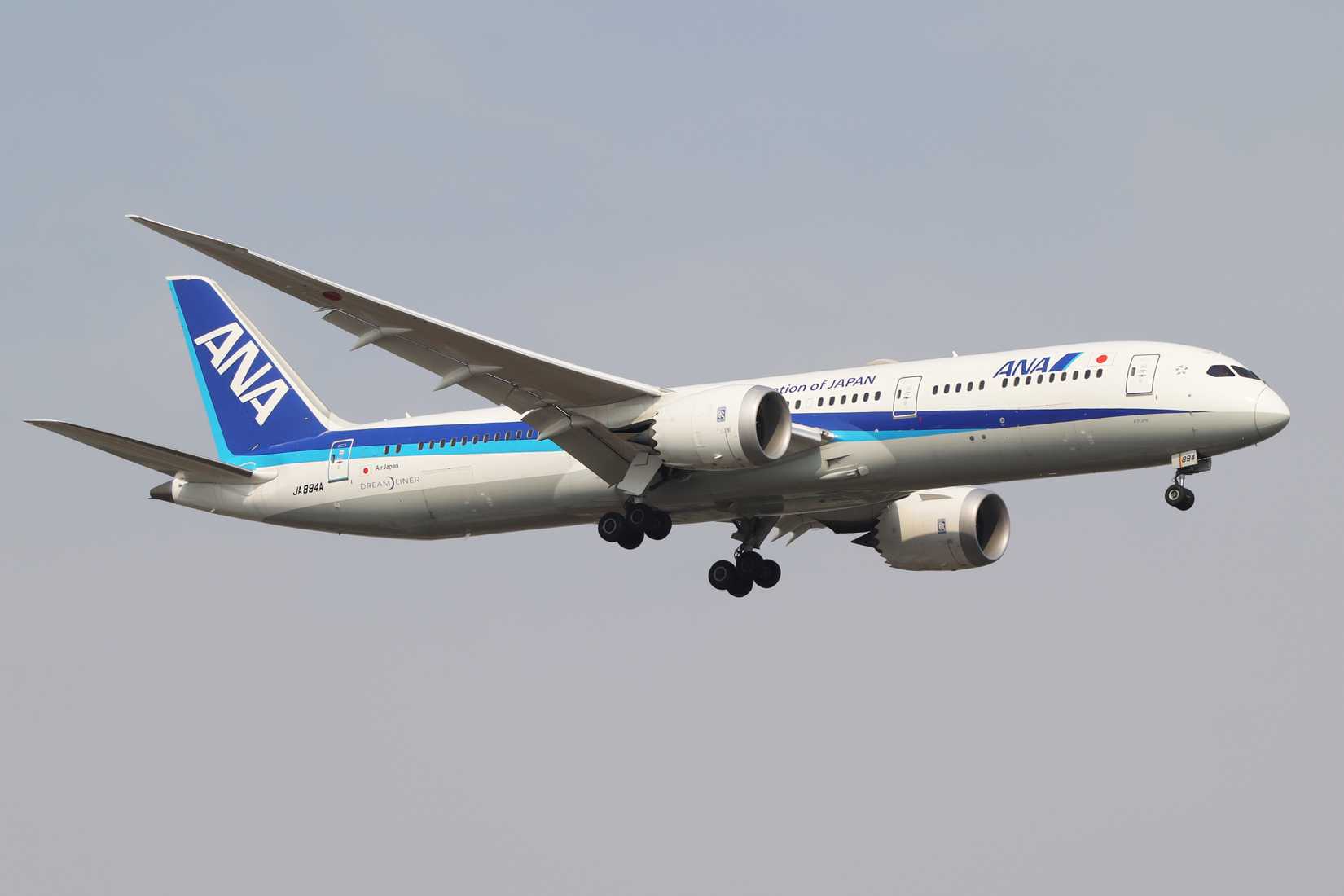
The lack of regularly updated list prices for Boeing aircraft has led to a reliance on legacy figures as benchmark reference points. While this approach provides a useful baseline, it is essential to recognize that these estimates may not accurately reflect current market conditions or future pricing.
Despite the complexities surrounding Boeing 787 pricing, understanding the relative positioning of the aircraft in the widebody market can provide valuable insights for airlines and industry stakeholders. By examining list prices and transaction values, analysts can better assess the competitive landscape and make informed decisions about aircraft procurement.
The Boeing 787 Dreamliner remains a vital component of modern airline fleets, offering exceptional range, fuel efficiency, and passenger comfort. As the aviation industry continues to evolve, it is crucial to stay informed about aircraft pricing trends and market conditions to ensure optimal fleet management and strategic decision-making.