
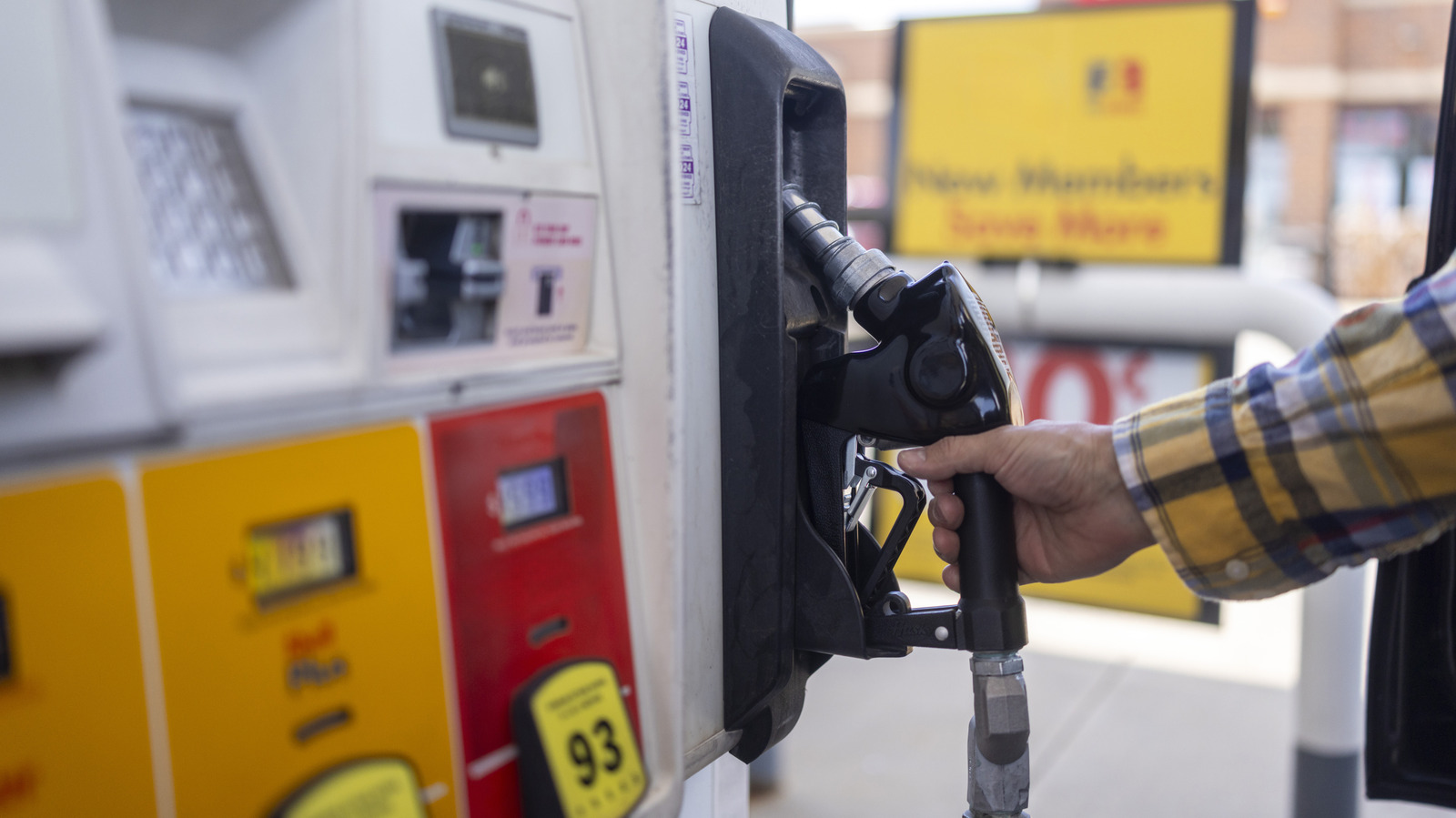
The cyclical tastes of American consumers are shifting towards more practical and fuel-efficient options. Once the SUV craze has subsided, a new wave of commuters is looking for alternatives that can handle daily road trips without breaking the bank. The question remains, what will take its place? Some readers have suggested a resurgence of hatchbacks or the adoption of riding scooters as a primary mode of transportation.
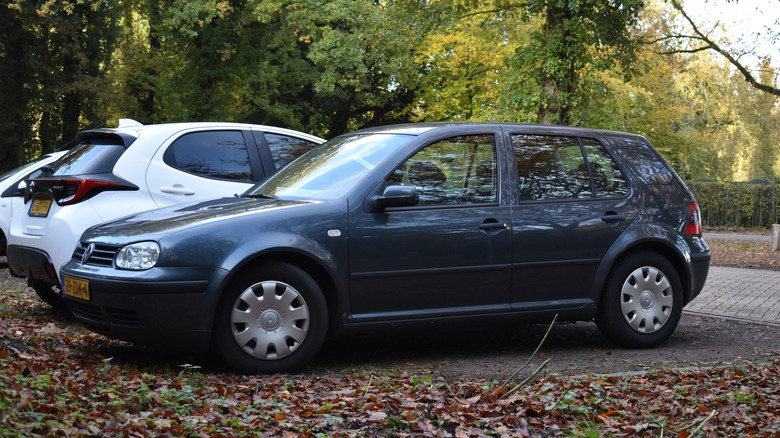
Station wagons, in particular, are gaining popularity due to their lower center of gravity and aerodynamic design, which enables better fuel economy without sacrificing cargo space. With a lower frontal area, they also provide improved handling and reduced wind resistance, making them an attractive option for those seeking a more efficient ride.
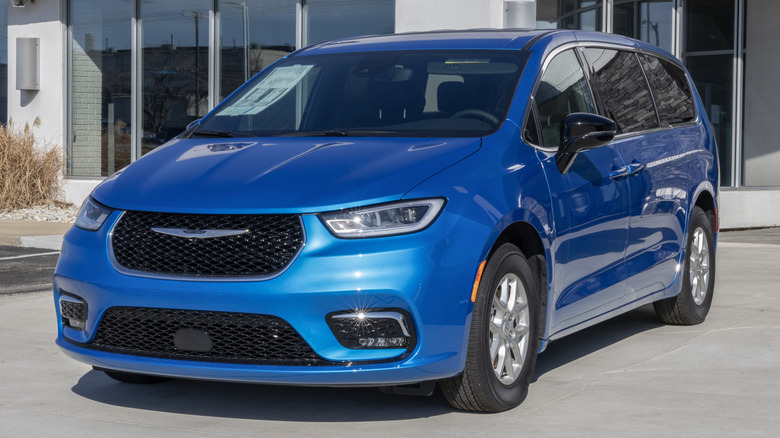
For families with multiple children, minivans have emerged as a top contender, offering ample storage and seating capacity. However, it is unclear whether the 'soccer mom' stigma surrounding these vehicles will dissipate soon enough to make them a desirable choice for drivers.
One European car writer's observation highlights the disparity between American and European vehicle purchasing habits, with Europeans opting for smaller, more fuel-efficient cars despite having similar family needs. This raises questions about overbuying in America and the potential for alternative vehicles to fill the gap.
Rear tinted windows on wagons have also been noted as a notable design difference, potentially affecting buyer perception of these vehicles. The shift towards electric vehicles is also gaining momentum, with many readers expressing enthusiasm for their reduced fuel costs and improved performance.
The appeal of smaller cars in other parts of the world, such as Spain and India, suggests that there may be a market for more compact commuter vehicles. Tuk-tuks, in particular, have been touted as an exciting option, despite initial concerns about acceptance.
As consumers become increasingly environmentally conscious, alternative vehicles are likely to gain traction. The rise of electric vehicles is already underway, with many readers expressing satisfaction with their reduced fuel costs and improved driving experiences.
The shift towards more practical and fuel-efficient commuter vehicles will undoubtedly have a significant impact on the automotive industry. With the cyclical tastes of American consumers shifting towards more responsible transportation options, it will be interesting to see how manufacturers respond to this trend.
Ultimately, the future of commuter vehicles hangs in the balance, as consumers weigh the pros and cons of various alternatives. As the driving populace becomes increasingly concerned about fuel prices, alternative vehicles are poised to take center stage.
As the driving populace becomes increasingly concerned about fuel prices, alternative commuter vehicles are gaining attention.