


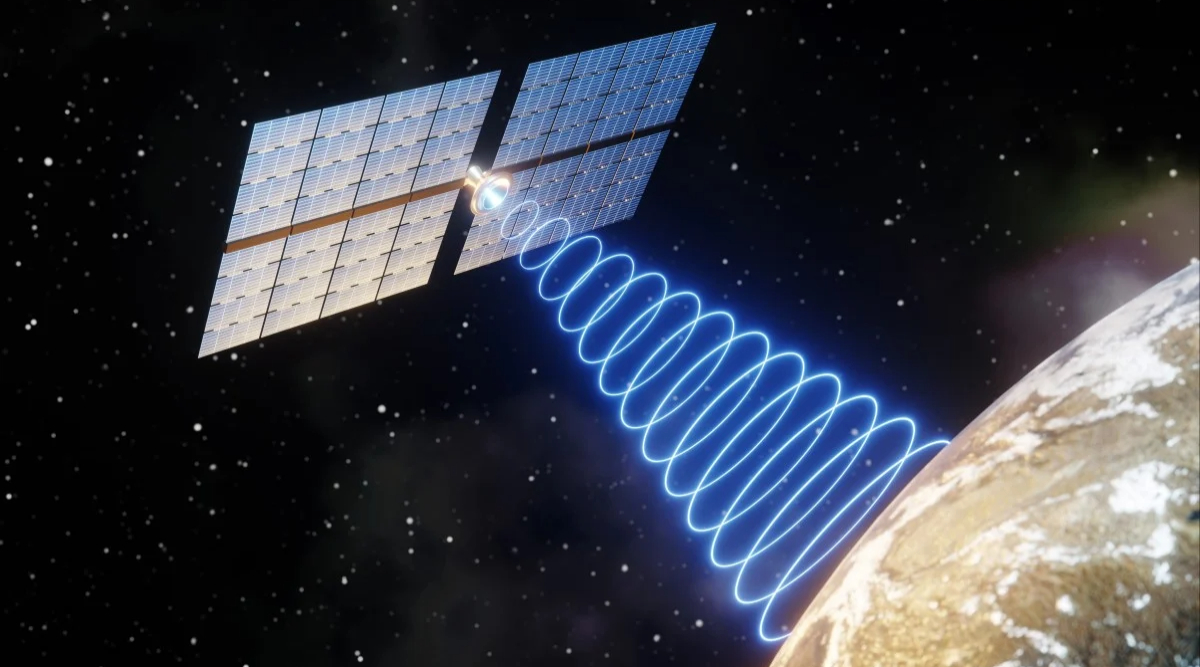
The idea of harnessing energy from space has been a staple of science fiction for over a century, but it's only recently gained serious attention as a potential solution to our planet's energy needs. On the surface, this concept seems like a no-brainer - solar energy is free and abundant, making it an ideal source of power. However, when you consider the logistics of transmitting that energy back to Earth, things get complicated quickly.
The issue with traditional solar panels is that they're only effective in areas where the sun is shining directly overhead. As the Earth rotates, different parts of the planet are exposed to sunlight for varying amounts of time, making it difficult to find a reliable way to transmit energy from sunny regions to darker ones.
One possible solution is to build high-voltage transmission lines that can transport solar-generated electricity from areas with plenty of sunlight to those in need. However, this approach raises significant concerns about security and vulnerability. Imagine a world where a single act of terrorism could cripple our entire energy grid - it's a sobering thought.

Another idea is to deploy solar collectors into orbit around the Earth, high enough to always be bathed in sunlight. This would allow for 24/7 energy production and transmission, but it also raises complex technical challenges. For instance, how do you ensure that the microwave beams used for energy transmission are precisely steerable and accurate over long distances?
The potential military applications of space-based solar power technology are a subject of ongoing debate. While some see this as a means to support surveillance and electronic warfare, others view it with skepticism, citing concerns about the involvement of state actors in the development of this technology.
In recent years, China has made significant strides in developing its own space-based solar power initiative, led by Duan Baoyan, a renowned expert in electromechanical engineering. His team has revamped the design of the giant orbital infrastructure to include not only energy transmission but also advanced communication and navigation systems.

Duan's proposal emphasizes the need for extremely narrow, precisely steerable microwave beams to deliver energy from space to the ground over long distances. This technological hurdle is significant, as it requires a level of precision and control that's difficult to achieve with current technology.
The implications of space-based solar power are far-reaching, with potential benefits including reduced greenhouse gas emissions and increased energy independence. However, the risks associated with this concept cannot be ignored - from security concerns to technical challenges, there are many reasons why this idea may not yet be ready for primetime.
As we move forward in our pursuit of sustainable energy solutions, it's essential that we carefully weigh the pros and cons of space-based solar power. While it holds promise as a game-changer in the fight against climate change, it's crucial that we address the complex technical and security challenges associated with this technology before we can consider it a viable option for widespread adoption.