
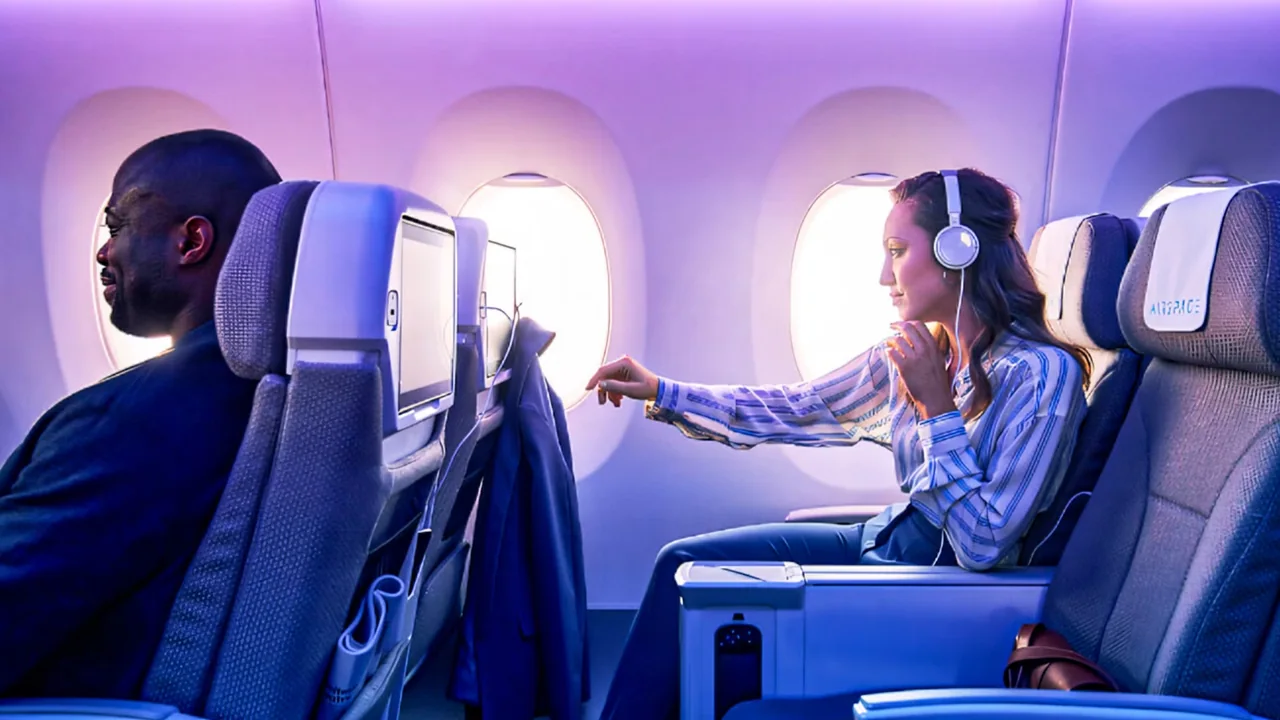
The aviation industry has long been dominated by the two main classes of air travel: economy and business. However, a third option, premium economy, offers a more comfortable experience at a significantly higher cost. This upgrade provides passengers with wider seats, more legroom, and improved overall comfort, as well as higher-quality meals and entertainment options.
Premium economy is often seen as the middle ground between economy and business class. While it remains much cheaper than its business counterpart, it offers a level of comfort and service that sets it apart from economy. For travelers who prioritize comfort over price, premium economy can be an attractive option.
The cost of flying premium economy varies widely depending on the airline, route, and timing of booking. In general, passengers can expect to pay between 50% and 100% more than they would for an economy ticket. At the lower end, this translates to a relatively modest upgrade in comfort and services.

However, prices can fluctuate significantly even on the same airline and route. Demand, availability, and booking timing all influence the final price. This dynamic nature of airline pricing means that passengers need to be flexible with their travel plans if they want to secure a premium economy ticket at a reasonable cost.
Transatlantic routes provide a clear example of the positioning of premium economy between economy and business class. Economy fares on these routes typically range from around $750 to $1,000 return, while premium economy generally falls between $1,200 and $2,000. This creates a price gap of roughly $400 to over $1,000, with business class sitting much higher at around $3,500 to $5,000.
In percentage terms, short-haul routes tend to see premiums of around 40–50%, while long-haul international flights more commonly range from 60–100%. On major intercontinental routes, travelers can expect to pay an additional $400 to $800 for premium economy over a standard economy ticket. Seasonality also plays a significant role in determining prices.

During shoulder periods such as January, May, or early September, discounted premium economy fares can drop as low as $600 to $800 round trip, compared to $1,200 or more during peak summer and holiday travel. By being flexible with their travel plans, passengers can often secure a premium economy ticket at a lower cost.
Overall, the cost of flying premium economy is influenced by a range of factors, including airline pricing strategies, demand, and availability. While it remains much cheaper than business class, premium economy offers a level of comfort and service that sets it apart from economy. As the aviation industry continues to evolve, it will be interesting to see how airlines balance price with passenger demand for premium economy seats.