


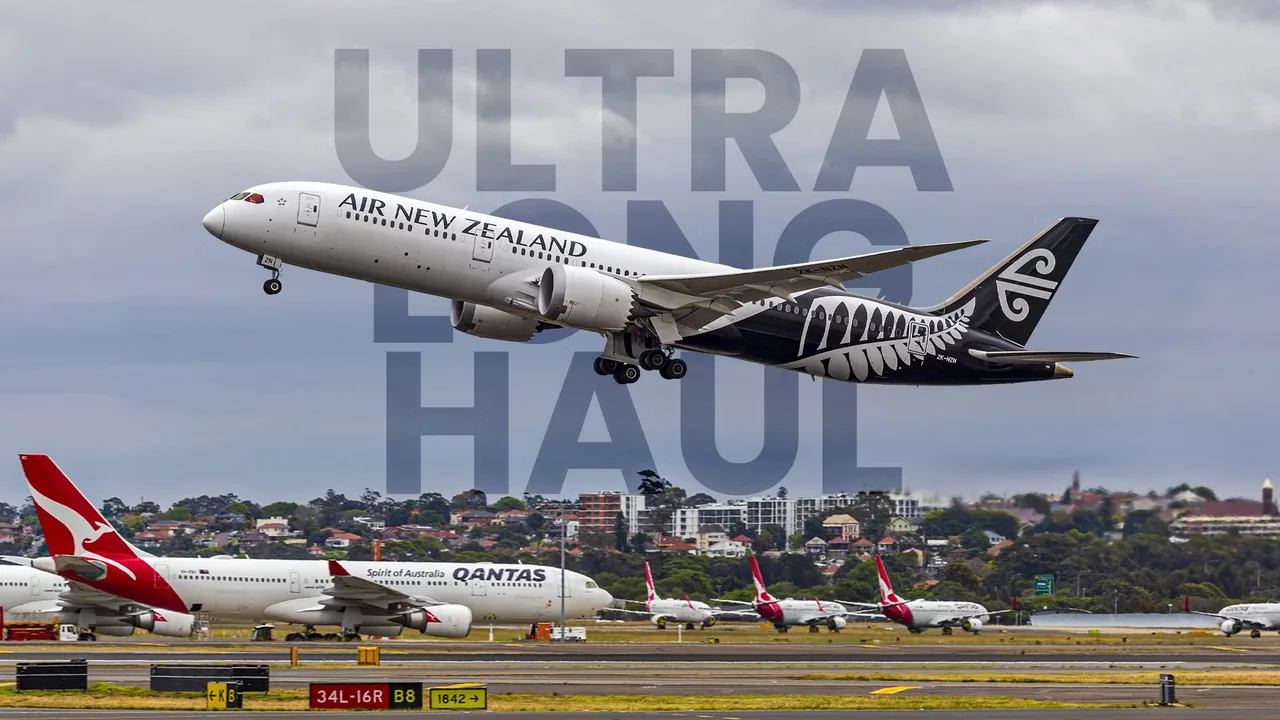
The aviation industry has been abuzz with the recent surge in ultra-long-haul flights, which have connected previously inaccessible cities across the globe. The introduction of advanced aircraft such as the Airbus A350 and Boeing 787 has made these routes more feasible, thanks to their improved fuel efficiency and reduced operating costs. However, despite these advancements, ultra-long-haul flights are not without their challenges, particularly when it comes to profitability. Airlines must carefully consider the financial implications of operating on these routes, taking into account factors such as fuel costs, crew expenses, and passenger demand.
The benefits of ultra-long-haul flights are undeniable, with the potential to open up new markets and increase revenue for airlines. However, the reality is that these routes can be extremely costly to operate, with significant fuel burn and maintenance requirements. In the case of Air New Zealand's flagship route from Auckland to New York, the airline has found that it is no longer profitable, despite its initial success.
The financial challenges faced by Air New Zealand are not unique to this specific route, however. The airline industry as a whole is grappling with rising fuel costs and decreasing profitability, particularly in the context of the ongoing war in Iran. This has led to a significant increase in oil prices, which is having a ripple effect throughout the industry.

The decision by Air New Zealand to consider axing its flagship route from Auckland to New York is a stark reminder of the challenges facing ultra-long-haul flights. The airline's financial struggles are a result of a combination of factors, including rising fuel costs and decreasing passenger demand for long-haul services.
In contrast, Qantas has seen success with its own ultra-long-haul route from Sydney to New York, which was relaunched in 2023 after being cut during the COVID-19 pandemic. The airline's switch to the Boeing 787-9 has allowed it to reduce costs and increase efficiency, making the route more viable.
The ultra-long-haul market is highly competitive, with airlines constantly looking for ways to reduce costs and improve profitability. However, this comes at a cost, as airlines must balance their desire for growth with the need to maintain financial stability.

Air New Zealand's decision to review its network and consider cutting unprofitable routes is a sign of the times in the airline industry. As fuel prices continue to rise and passenger demand for long-haul services decreases, airlines must be prepared to adapt and make difficult decisions about which routes to operate.
The future of ultra-long-haul flights looks uncertain, with many airlines facing significant financial challenges. However, despite these challenges, there are still opportunities for growth and innovation in the industry, particularly in areas such as sustainable aviation fuels and advanced aircraft designs.
As the airline industry continues to navigate the complexities of ultra-long-haul flights, it is clear that profitability will be a key factor in determining which routes remain viable. Airlines must carefully consider their financial implications and make difficult decisions about which routes to operate, all while keeping an eye on the horizon for new opportunities and innovations.

The ultra-long-haul market is facing significant challenges, with rising fuel costs and decreasing profitability.