

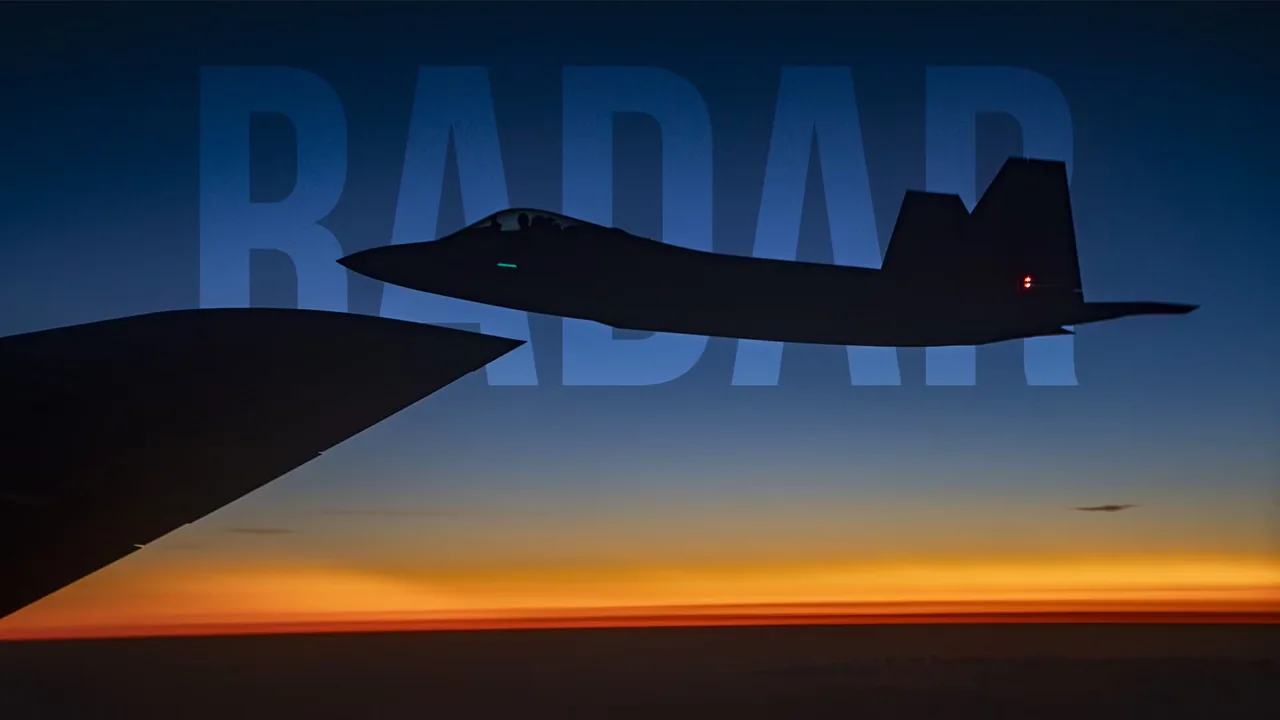
The world's most advanced fighter jets are equipped with the latest radar technology, which has revolutionized the way pilots engage in aerial combat. The primary differentiator between legacy and modern aircraft in the air superiority category is whether or not they carry active electronically scanned array (AESA) radar systems. AESA radar arrays use digital scanning that is exponentially faster than mechanically moved radar dishes of previous-generation warplanes, giving modern fighters a significant advantage in terms of detection range and accuracy.
The United States leads the charge in developing advanced fighter jet radar systems, with its allies also benefiting from this technology. The Lockheed Martin F-35 Joint Strike Fighter, currently the champion of air superiority, boasts an impressive array of sensors and detection capabilities. With over 1,300 airframes in service across 20 nations, the global fleet is rapidly expanding, making it increasingly difficult for adversaries to keep pace.
Russia's Su-57 stealth fighter may not have the same level of production as its Western counterparts, but its radar system is undeniably impressive. The aircraft's unique integrated complex system of six antennas provides a 360-degree field of view, allowing pilots to detect and engage targets from multiple angles simultaneously.

The Felon, Russia's latest fifth-generation fighter, boasts an even more advanced radar system than the Su-57. Its expanded array allows for a wider detection range, while its unique wing leading edge extensions enable simultaneous scanning at different frequencies, giving it a significant advantage in terms of anti-stealth capabilities.
According to Russian claims, the Felon's L-band antennas are specifically designed to detect aircraft coded in radar-absorbent material, allowing it to strike from beyond visual range (BVR) undetected. This potentially gives the Felon a significant edge in air-to-air combat against stealthy foes.
The advanced radar systems on modern fighter jets have revolutionized the way pilots engage in aerial combat. With their increased detection capabilities and accuracy, these aircraft are able to detect and engage targets at much longer ranges than ever before.

This development has significant implications for the future of air power. As the global fleet of advanced fighter jets continues to grow, it is likely that we will see an increase in advanced radar systems being integrated into new aircraft designs.
The advancement of radar technology is a key factor in determining air superiority. The development of more advanced radar systems will continue to play a critical role in shaping the future of air power.
As the world's most advanced fighter jets continue to evolve, it is clear that the development of advanced radar systems will remain a key differentiator between those who can dominate the skies and those who cannot.

The development of advanced radar systems is a key factor in determining air superiority.