

The automotive industry has long been known for its rapid advancements in technology, but this growth often comes with a price. In the case of electric vehicles (EVs), Consumer Reports has identified several key areas where reliability issues persist. According to recent data, new EVs and plug-in hybrid electric vehicles (PHEVs) are still plagued by reliability problems compared to their traditional combustion engine counterparts. This is not surprising, given the complexity of modern vehicles and the relatively new nature of many EV components.
The development of any car is a complex process that involves numerous components working together in harmony. While removing the transmission, engine, and associated parts may seem like it should simplify things, it actually creates new challenges. In the case of EVs, which rely on batteries, charging systems, heating, and climate control, these components are still in their infancy and require significant refinement to function properly.
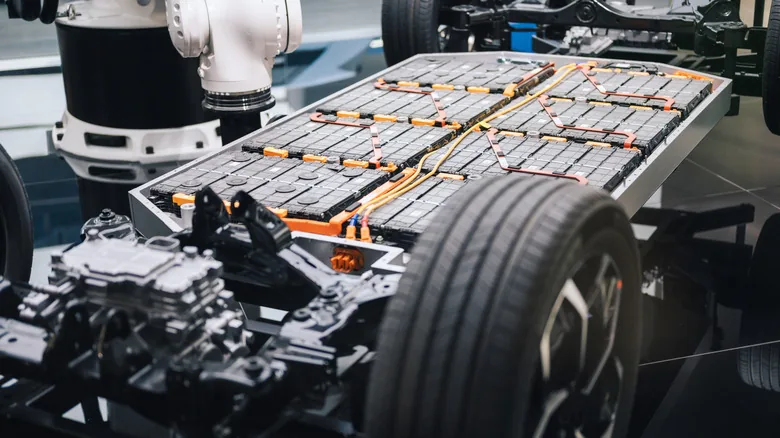
Consumer Reports has identified several key areas where EV reliability issues persist. One such area is the battery itself, which must endure a wide range of operating cycles and environmental conditions. Additionally, the chargers and inverters that power the vehicle's electrical systems also pose challenges. In PHEVs, the combination of EV and combustion engine technologies can lead to increased complexity and potential problems.
Despite these challenges, many EV owners report high levels of satisfaction with their vehicles. However, for those who are skeptical about the reliability of EVs, recent data suggests that concerns may be justified. According to Consumer Reports, Tesla has cracked its top 10 for new car reliability for the first time since launching the Roadster in 2008. This is a significant milestone, but it highlights the fact that refinement of complex systems takes time.
The development of new technologies like EVs and PHEVs requires patience and perseverance. As Consumer Reports notes, any new technology once the bugs are worked out tends to improve over time. However, this can be a slow process, especially for early adopters who may experience reliability issues with their vehicles.
Recent data from the JD Power 2026 Dependability Study reveals that new cars are more problematic than ever. This is a broader industry issue, not just specific to EVs or PHEVs. The study highlights the need for manufacturers to prioritize reliability and quality in their designs and production processes.
The growing pains of the automotive industry are evident in the challenges faced by EV manufacturers. However, this also presents opportunities for innovation and improvement. As the industry continues to evolve, it is likely that we will see significant advancements in EV technology and reliability.
In conclusion, while EVs may not be perfect yet, they offer many benefits over traditional combustion engine vehicles. With continued refinement and development, it is likely that these benefits will become even more pronounced. For now, consumers should be aware of the potential reliability issues associated with new EV models and take steps to mitigate them.
As the automotive industry continues to shift towards electric and hybrid technologies, it is essential that manufacturers prioritize reliability and quality in their designs and production processes. By doing so, they can build trust with customers and establish a reputation for producing high-quality vehicles.