

Despite recent declines in DUI-related fatalities, the National Highway Traffic Safety Administration reported 12,429 American deaths in alcohol-related crashes in 2023 and 804,926 arrests for suspected DUI in 2024. These statistics underscore the ongoing concern surrounding drunk driving accidents. The IIHS has announced plans to integrate a DUI-detection system into its Top Safety Pick+ award criteria by 2030, which may prompt automakers like General Motors to develop similar technologies.
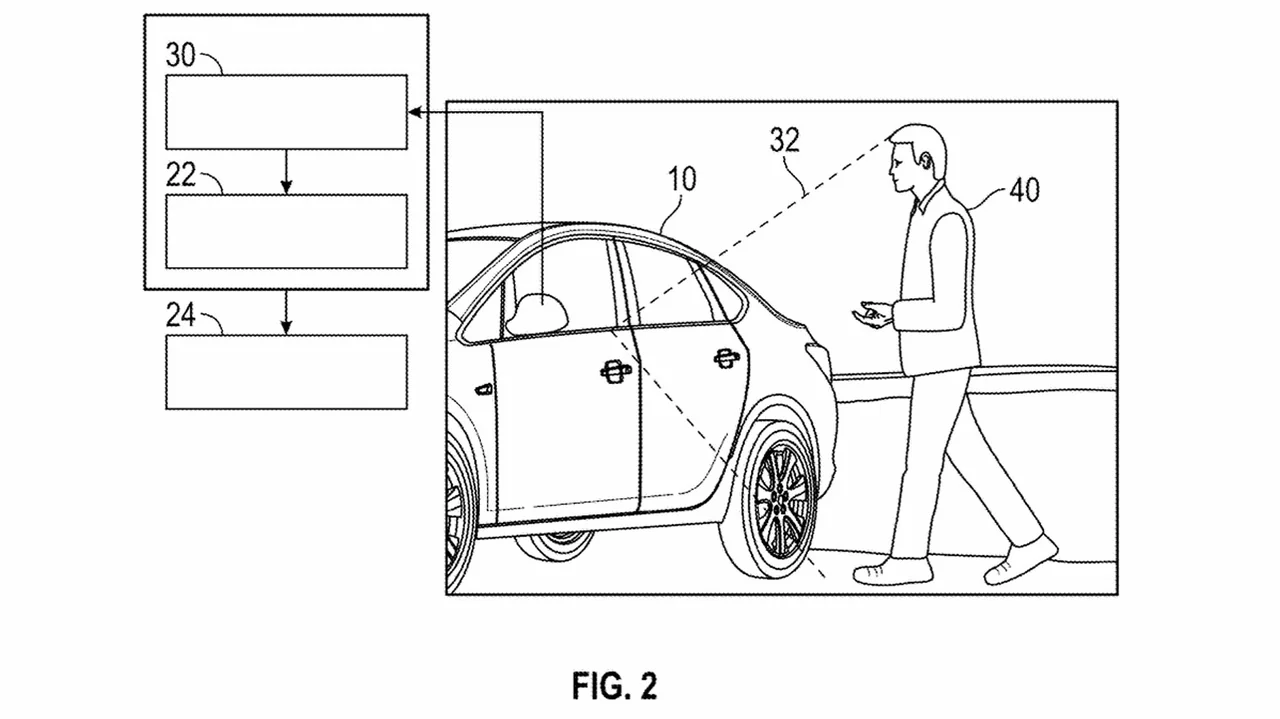
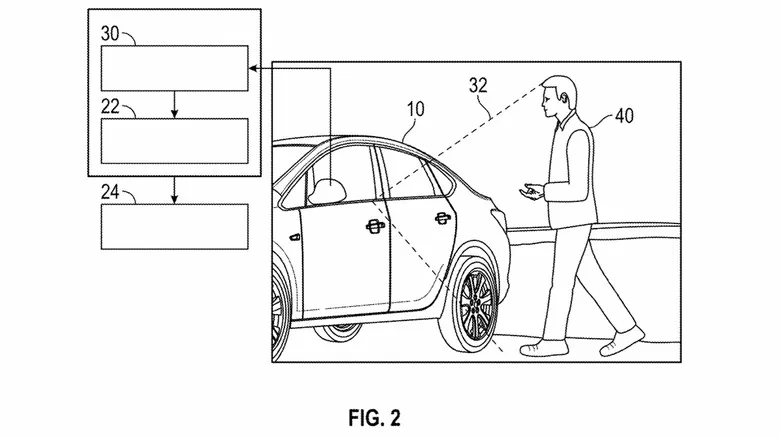
The automotive industry is taking proactive steps to reduce the risk of impaired driving. General Motors has filed a patent for an impairment detection system that utilizes cameras and sensors to assess an individual's gait patterns while approaching the vehicle. This innovative technology aims to prevent drunk or distracted drivers from getting behind the wheel.
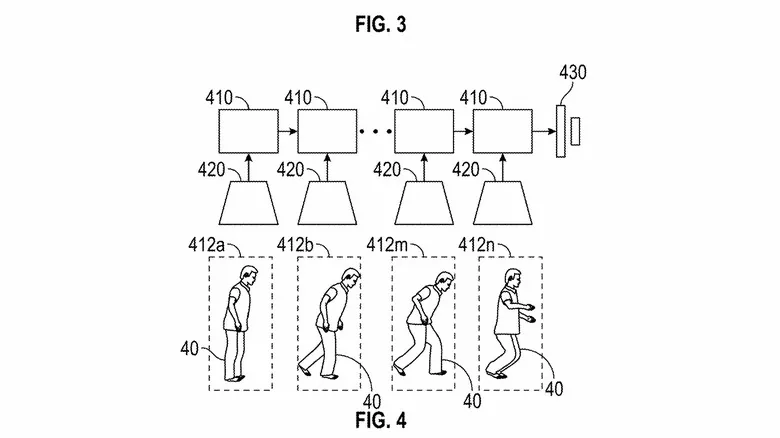
According to the patent filing, the system analyzes various parameters such as stride length, walking speed, and swaying motion. These 'gait parameters' are then processed by a long short-term memory recurrent neural network to determine a 'gait score.' The gait score is compared to an impairment threshold, and if it exceeds this threshold, the system triggers alerts or takes further action.
The proposed system can identify not only signs of intoxication but also potential medical emergencies. This feature could be particularly beneficial in emergency situations where the individual may not even realize they are experiencing a problem. However, concerns about accessibility and fairness must be addressed to ensure that this technology does not unfairly target certain groups.
GM's impairment detection system is designed to be transparent and obvious when an individual is still outside the vehicle. This transparency aims to deter individuals from attempting to circumvent the system by driving away while intoxicated. The company emphasizes the importance of clear communication in preventing accidents.
The integration of this technology into production vehicles would significantly enhance autonomous safety features. If successful, it could also contribute to a reduction in DUI-related fatalities and arrests. As the automotive industry continues to evolve, innovative technologies like this one will play a crucial role in shaping the future of transportation.
However, there are potential concerns about how this technology might impact individuals with physical disabilities. It is essential to consider these implications when developing and implementing impairment detection systems. Ensuring that these systems are fair and accessible to all users will be critical to their widespread adoption.
The patent filing for GM's impairment detection system highlights the company's commitment to prioritizing road safety. As the automotive industry continues to advance, we can expect to see more technologies like this one being developed and implemented. The potential benefits of these innovations are undeniable, but it is essential to address any concerns that arise during the development process.
The integration of impairment detection systems into vehicles will likely become a standard feature in the near future. As automakers continue to push the boundaries of innovation, we can expect to see even more advanced technologies being developed and implemented. The impact of these innovations on road safety will be significant, and it is essential that they are developed with fairness and accessibility in mind.