
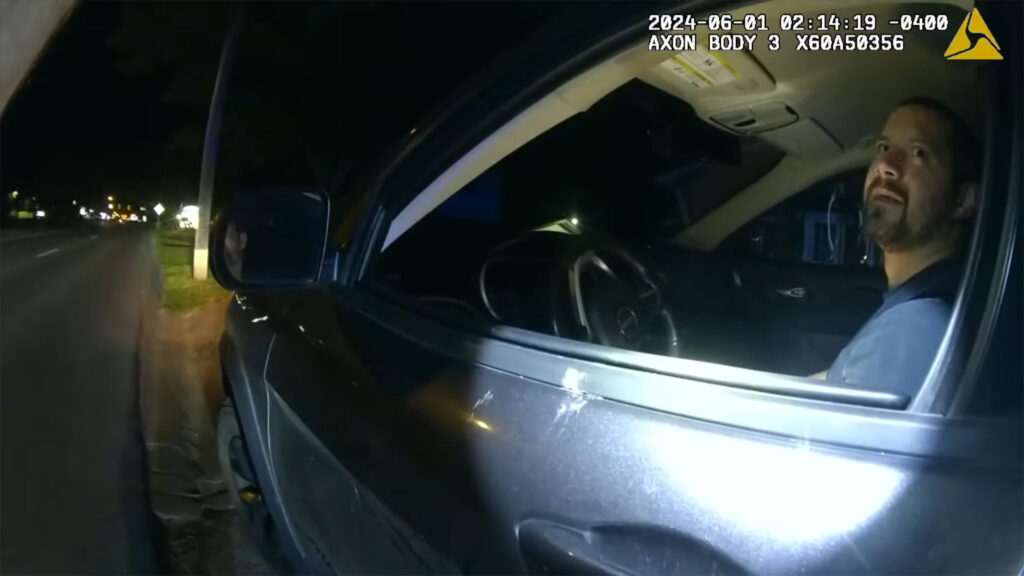
A recent incident involving an off-duty police officer in Michigan has raised concerns about the handling of suspected drunk driving cases. In June 2024, Officer Noah Noble pulled over a Jeep crossover driven by his colleague, Officer Austin Mendez, who was suspected of driving under the influence. The dashcam footage shows Mendez's erratic behavior, including crossing the center line, speeding, and stopping in the middle of intersections.
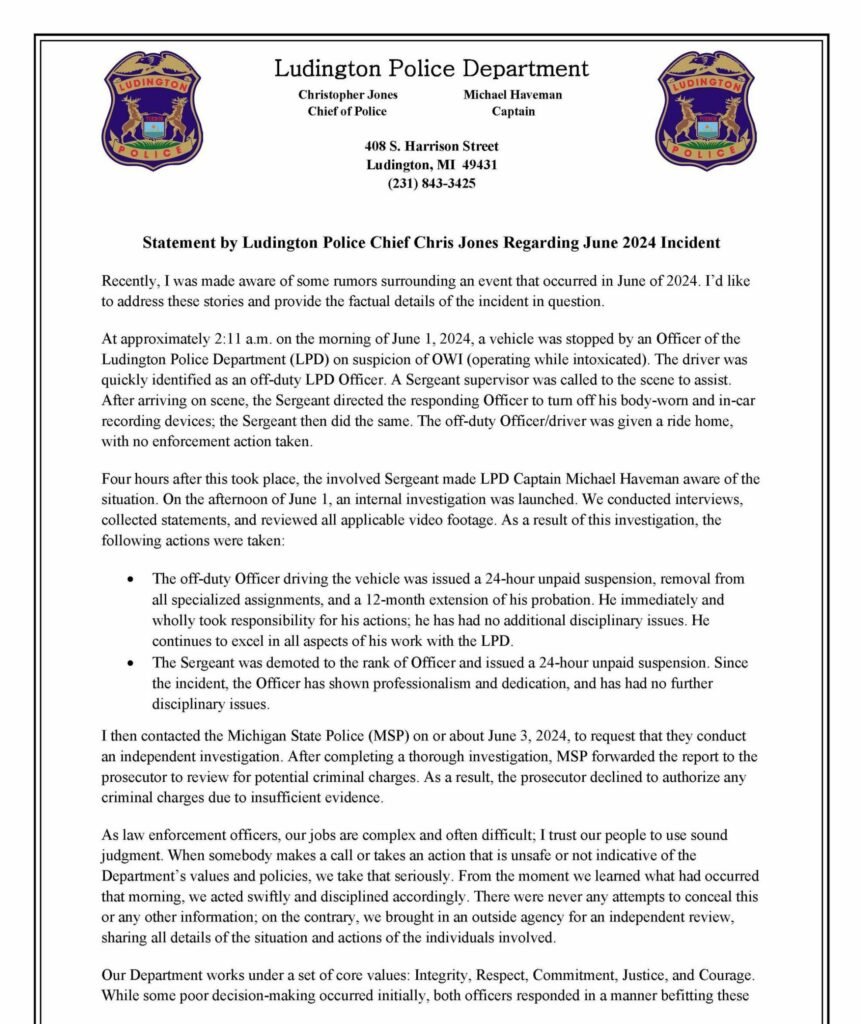
Despite Noble's initial recognition of Mendez as a fellow officer, their supervisor, Sgt. Angela Babinec, instructed both officers to turn off their cameras and give Mendez a ride home instead of conducting field sobriety testing or blood tests. The decision was made four hours after the stop, when Babinec alerted Capt.
Michael Haveman to the situation. An internal investigation followed, resulting in Babinec's demotion to officer and an unpaid single-day suspension for both Mendez and Babinec. Mendez has since been promoted to Sergeant.
The district attorney declined to prosecute Mendez at the time, citing insufficient evidence. However, Attorney John H. Bryan believes there is enough evidence to secure a conviction, citing the video footage as key evidence.
This incident highlights the importance of strict adherence to protocol and procedures in handling suspected drunk driving cases. It also raises questions about the accountability of those involved in such incidents. The investigation's outcome has sparked a renewed focus on ensuring that officers are held to high standards when it comes to enforcing traffic laws, particularly those involving suspected DUIs.
As law enforcement agencies continue to grapple with the complexities of drunk driving enforcement, it is essential to prioritize transparency and accountability in these situations. Furthermore, the incident underscores the need for clear guidelines and protocols to prevent similar incidents from occurring in the future. The video footage of this stop has been widely shared, providing a stark reminder of the dangers of driving under the influence.

It also serves as a powerful tool for raising awareness about the risks associated with drunk driving and the importance of responsible behavior behind the wheel. In light of this incident, it is crucial that law enforcement agencies review their procedures and protocols to ensure that they are aligned with best practices and state laws. By doing so, they can help prevent similar incidents from occurring and promote a safer road environment for all drivers.
The use of dashcam footage in such cases has become increasingly prevalent, providing valuable evidence for investigators and prosecutors alike. However, the decision to turn off cameras during this incident raises questions about the potential for tampering or manipulation of evidence. As law enforcement agencies continue to rely on dashcam footage as a key piece of evidence, it is essential that they prioritize the integrity of these recordings and ensure that they are not compromised in any way.
The incident also highlights the importance of training and education for officers involved in suspected drunk driving cases. By providing officers with the necessary tools and expertise to handle such situations effectively, law enforcement agencies can help prevent incidents like this from occurring in the future. Ultimately, the outcome of this investigation serves as a reminder that law enforcement agencies must prioritize transparency, accountability, and public safety above all else.
By doing so, they can help promote a safer road environment and uphold the trust of the communities they serve.
This incident highlights the importance of strict adherence to protocol and procedures in handling suspected drunk driving cases. The decision to turn off cameras during this stop has raised questions about the potential for tampering or manipulation of evidence, emphasizing the need for clear guidelines and protocols to prevent similar incidents from occurring.