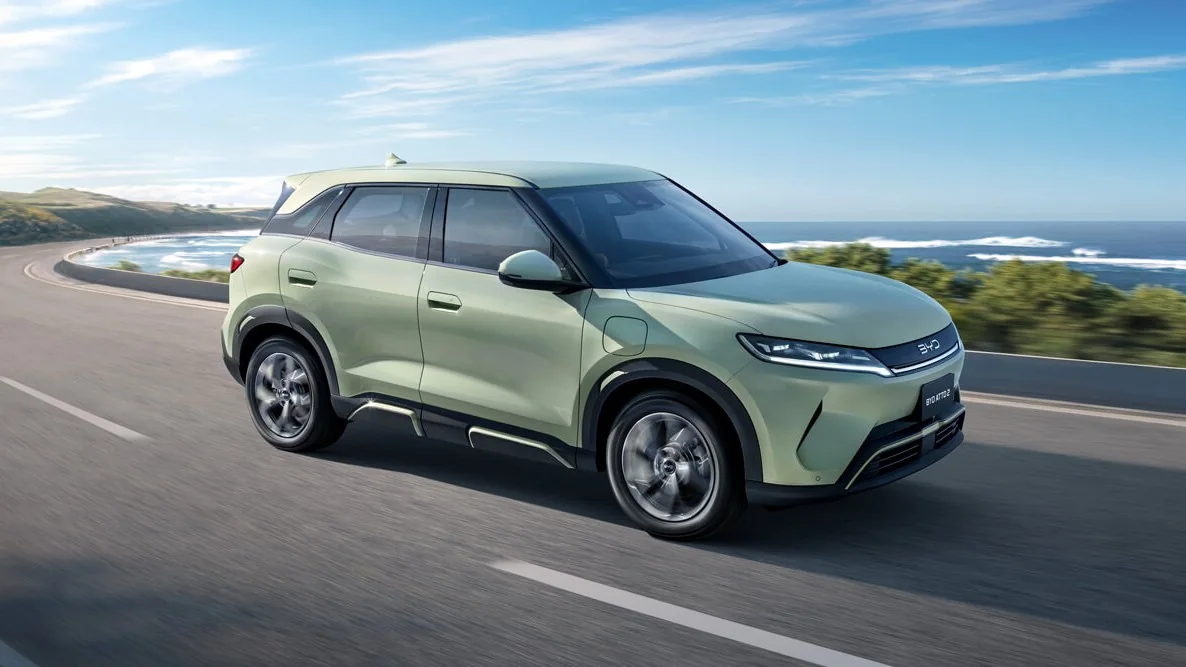
The Canadian market is set to witness a significant expansion by Chinese automaker BYD, with the company announcing plans to launch 20 dealerships across the country this year. This move marks a major push into Canada, which is expected to be a crucial market for the company's growth. The announcement comes as BYD looks to capitalize on the growing demand for electric vehicles (EVs) in North America.
Three locations in Ontario are already under discussion, with dealerships planned in Toronto, Montreal, and Vancouver. While politics in Ontario may pose some challenges for Chinese automakers, BYD is well-positioned to navigate these obstacles. The company's decision to start its expansion efforts in Ontario suggests that it has identified a significant market opportunity.
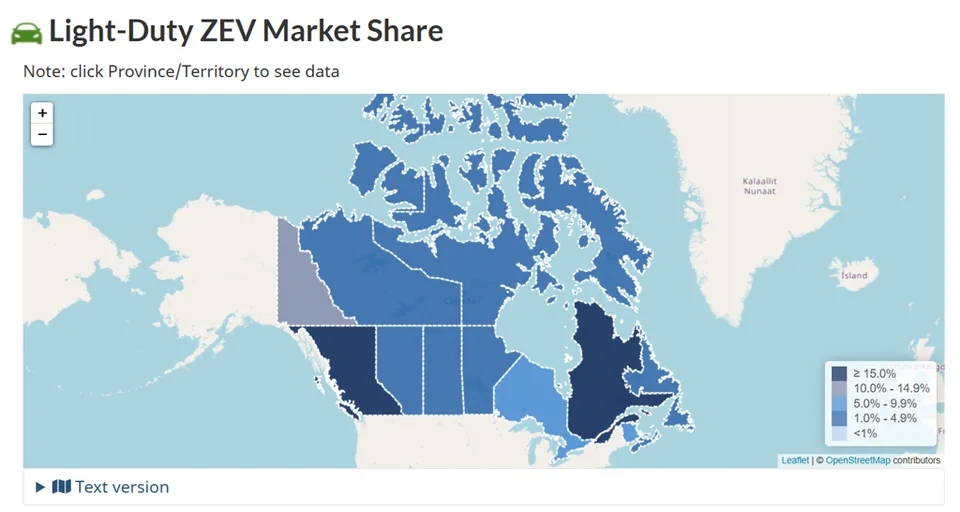
Ontario is a critical province in Canada, with the CAW playing a significant role in shaping the country's automotive policies. However, despite having a relatively large population, Ontario's EV market share remains lower compared to other provinces like British Columbia and Quebec. BYD may be targeting this gap by expanding its presence in the province.
Calgary, Alberta, is another location that has been identified for BYD's dealerships. The city's cold climate presents a unique challenge for electric vehicles, which typically struggle with range and performance in freezing temperatures. However, BYD's new battery technology has shown promising results in this area, making EVs more appealing to potential buyers.
Beyond its expansion plans, BYD is also well-positioned to capitalize on Canada's growing demand for charging infrastructure. The country currently has 2,700 DC charging station locations with 8,491 charging ports, and BYD's ability to deploy Flash Charging stations rapidly could transform the charging landscape in Canada.
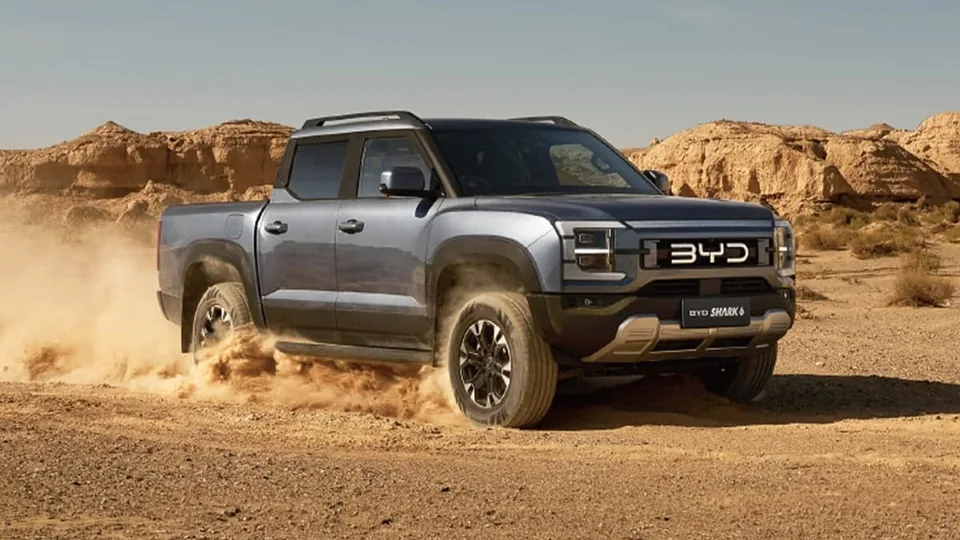
The company's recent update of the Shark model, which includes a heavier-duty version with a range extender, suggests that it is targeting a wider audience. This PHEV variant could do well in many parts of Canada, particularly in areas where traditional EVs may struggle.
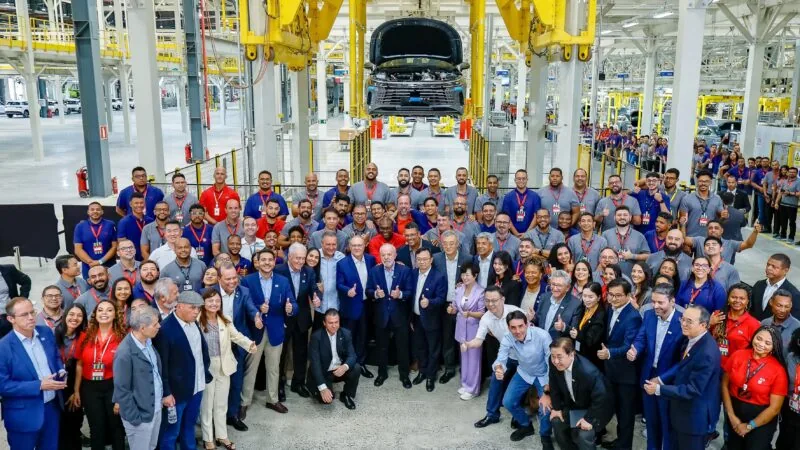
BYD's increasing production capacity outside of China also presents an opportunity for the company to tap into the Canadian market. With 49,000 EV imports from China currently allowed, and plans to increase this number to 70,000 after a couple of years, BYD could soon be producing vehicles in countries like Brazil, Thailand, and Indonesia.
The decision to launch 20 dealerships across Canada is a significant development for the company. Starting with a large footprint involves costs and complexities, but it also presents a major opportunity for BYD to establish itself as a major player in the Canadian EV market.
As Canada continues to navigate its transition to electric vehicles, the entry of Chinese automakers like BYD could have a significant impact on the industry. With many Canadian EV buyers open to Chinese brands, and better EVs becoming increasingly available, BYD's expansion plans could help drive growth in the sector.