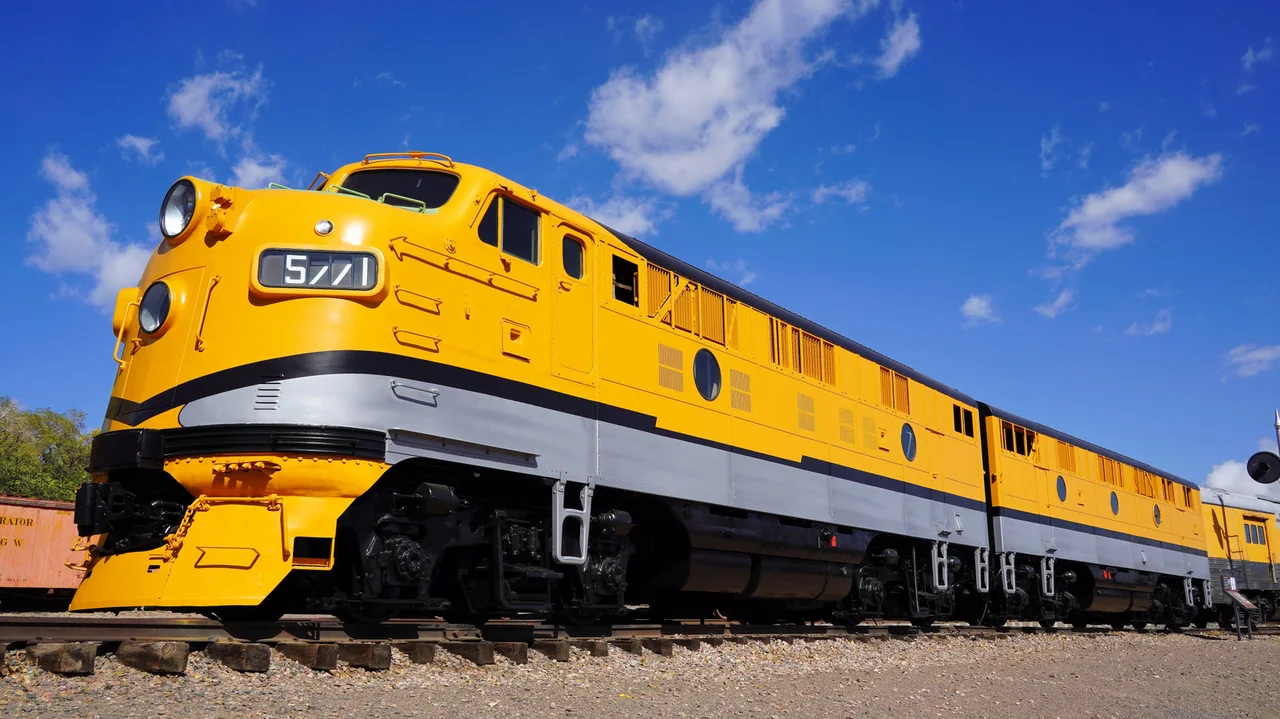
While contemporary locomotives appear to be electric vehicles, they often rely on onboard diesel power plants due to the high cost and impracticality of electrification. The massive upfront capital investments required for building overhead catenary lines or digging for third rails make it economically unfeasible for widespread adoption in the American freight rail system.
In contrast, diesel-electric locomotives offer operational flexibility and can move large amounts of cargo without being dependent on a power grid. This makes them an attractive option for hauling heavy freight over vast distances, particularly in areas with limited infrastructure.
The energy density issue also plays a significant role in the decision to use diesel engines in electric trains. While batteries have improved significantly, they still struggle to match the efficiency of diesel fuel when it comes to moving massive amounts of weight over long distances.
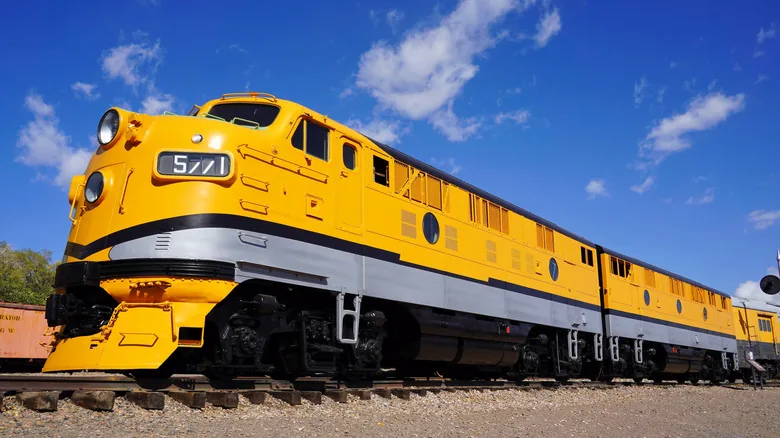
A typical freight train can pull up to 10,000 tons of cargo, which requires an enormous amount of horsepower to overcome mountain grades. The use of a diesel prime mover to turn a massive alternator provides the necessary torque without the added weight and complexity of a battery pack.
The benefits of diesel-electric locomotives are further underscored by their ability to provide instant torque at the wheels, which is essential for hauling heavy freight over long distances. This makes them an attractive option for operators looking to maximize efficiency and productivity.
In contrast, electric semi-trucks have struggled to gain widespread adoption due to similar energy density issues. The use of diesel-electric locomotives in electric trains highlights the need for a more nuanced approach to electrification that balances technological advancements with practical considerations.
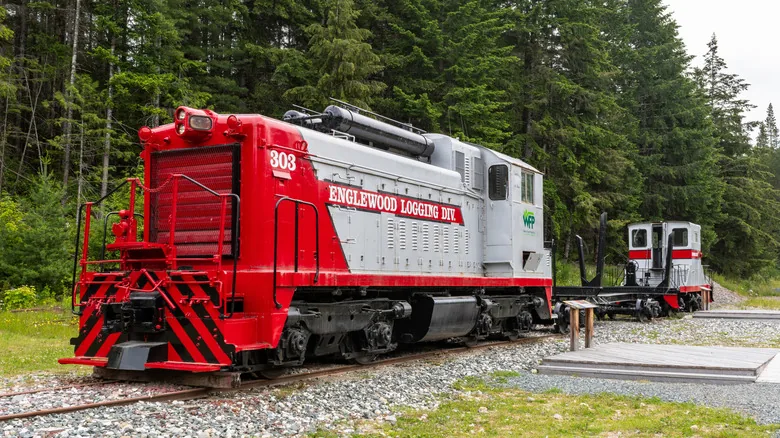
The decision to use diesel engines in modern electric trains is not driven by a lack of technology, but rather by the complexities and costs associated with electrification. As the rail industry continues to evolve, it will be important to consider these factors when developing new technologies and infrastructure.
Ultimately, the use of diesel-electric locomotives in electric trains represents a pragmatic approach to meeting the demands of the freight rail industry. By leveraging the benefits of both diesel and electric power, operators can create more efficient and productive systems that balance technology with practicality.
As the rail industry looks to the future, it will be important to consider the role that diesel-electric locomotives play in the transition to more sustainable forms of transportation. By understanding the complexities and challenges associated with electrification, we can work towards creating a more efficient and environmentally friendly rail network.
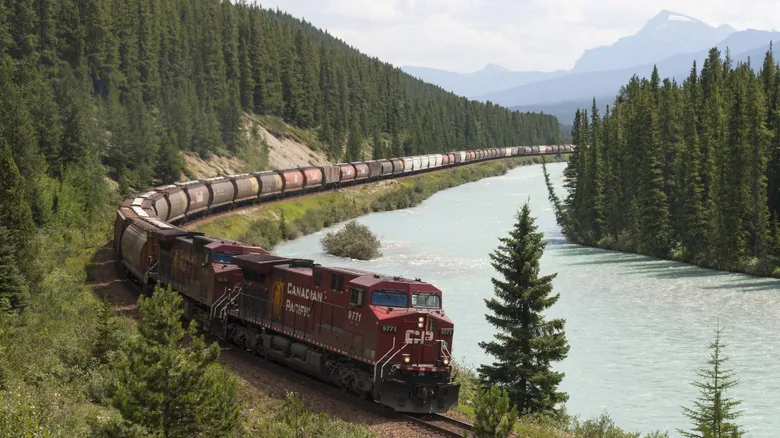
The use of diesel-electric locomotives in modern electric trains highlights the complexity of balancing technological advancements with practical considerations.