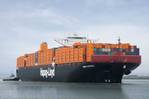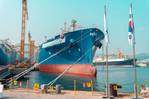


On Thursday, the French navy conducted a significant operation in the Mediterranean Sea, intercepting a Russian tanker believed to be part of a shadow fleet facilitating the export of oil from Russia in defiance of international sanctions. This interception underscores the ongoing efforts by Western nations to curb Russia's ability to generate revenue from its oil exports, particularly in light of the geopolitical tensions stemming from recent conflicts.
The operation was reportedly executed with the support of several allied nations, highlighting the collaborative approach taken by Western forces to monitor and control maritime activities linked to sanctioned entities. The interception not only reflects the strategic importance of the Mediterranean as a transit route for oil but also demonstrates the commitment of the French navy and its allies to enforce sanctions against Russia.
Experts note that the existence of a shadow fleet poses significant challenges for international maritime security. These fleets often operate under the radar, using various tactics to disguise their activities and evade detection. The interception of this tanker could serve as a warning to other vessels engaging in similar operations, reinforcing the message that sanctions will be actively enforced.
In recent months, the French navy has increased its patrols in the Mediterranean to monitor suspicious activities and ensure compliance with international laws. Such operations are crucial not only for enforcing sanctions but also for maintaining stability in the region, which is vital for global trade and energy security.
The interception of the Russian tanker is a clear indication of the ongoing geopolitical struggles over energy resources and the lengths to which nations will go to uphold international sanctions. As tensions continue to rise, maritime operations like this one will likely become more frequent, as countries seek to protect their economic interests and uphold international law.