

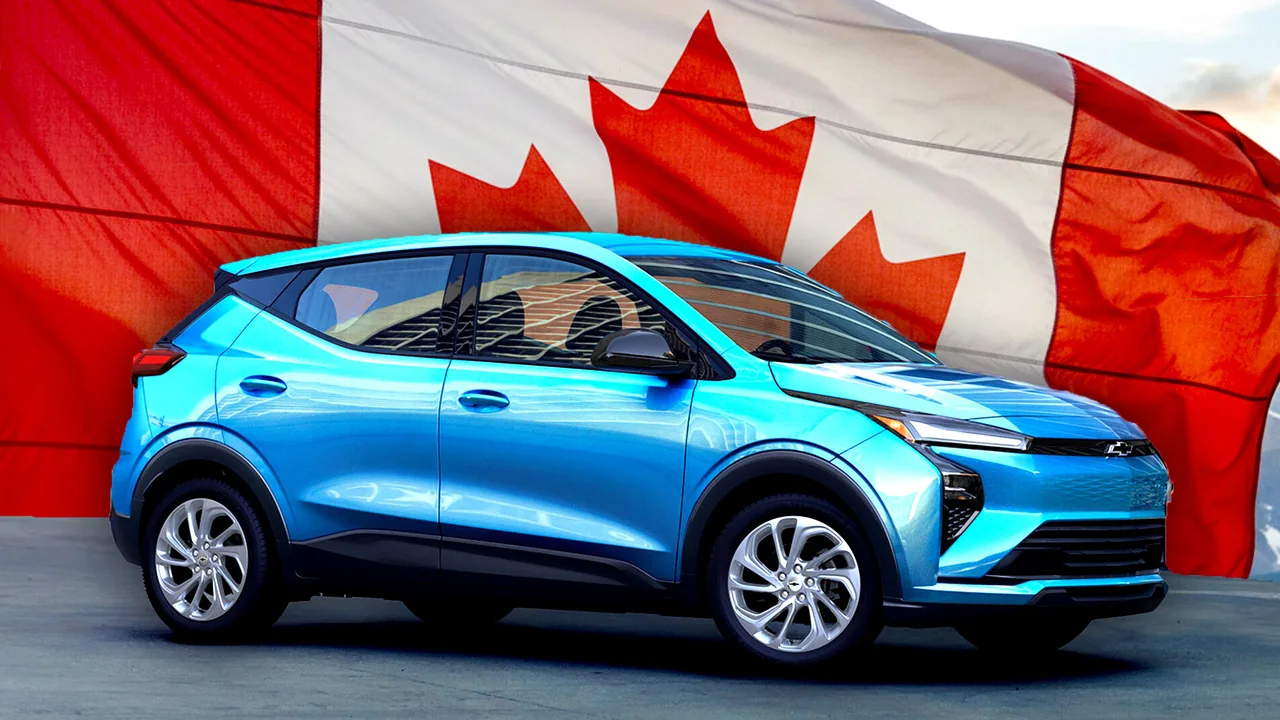
Canadian Prime Minister Mark Carney has introduced a new automotive strategy that rewards the production of made-in-Canada vehicles and harnesses world-class capabilities in artificial intelligence and technology expertise to build cars of the future. As part of this effort, Canada is revamping its electric vehicle mandate once again, aiming to rationalize emissions reduction policies and put 75% of sales from EVs by 2035, climbing to 90% by 2040.
The country is repealing the Electric Vehicle Availability Standard and increasing emissions standards, allowing manufacturers to use a wide array of technologies to meet new standards and respond to consumer preferences in the near-term, while driving EV adoption over time. 5 billion CAD to improve charging infrastructure, aiming to make it easier and more convenient for drivers to charge their EVs across the country.
1 billion CAD to help the auto industry adapt, grow, and diversify to new markets, as well as providing incentives for businesses and individuals to invest in electric vehicles and clean technologies. This shift in policy comes after Canada faced significant challenges from American tariffs on automotive imports, which have threatened the country's automotive manufacturing industry and supported 125,000 direct jobs.

By embracing other countries like China, Canada aims to develop a more independent economy and one that can ship Canadian-made vehicles to new export markets. The government is also taking steps to support autoworkers in an era of trade wars and electrification, including a new Work-Sharing grant and employment assistance for up to 66,000 people displaced by the industry's shift.
This policy shift reflects Canada's growing recognition that its automotive sector must adapt to changing global markets and technological trends. By embracing innovation and diversifying its export markets, Canada can maintain its competitiveness while also addressing the challenges posed by American tariffs.