5 mpg goal. Automakers are stoked about this news, even if they have a few proposed tweaks.
The Alliance for Automotive Innovation —which represents more than a dozen automakers like Ford, General Motors, Hyundai, and Toyota—has vocally supported the president’s lowered fuel economy standards. S.
” This move could drive down new vehicle prices, but only somewhat, with estimates suggesting consumers will save roughly $930 on average in upfront costs. However, lower vehicle fuel economy means they’ll pay far more in the long run, though, with nationwide oil usage expected to increase by 100 billion gallons through 2050, meaning Americans will spend $185 billion more on fuel over the same period.
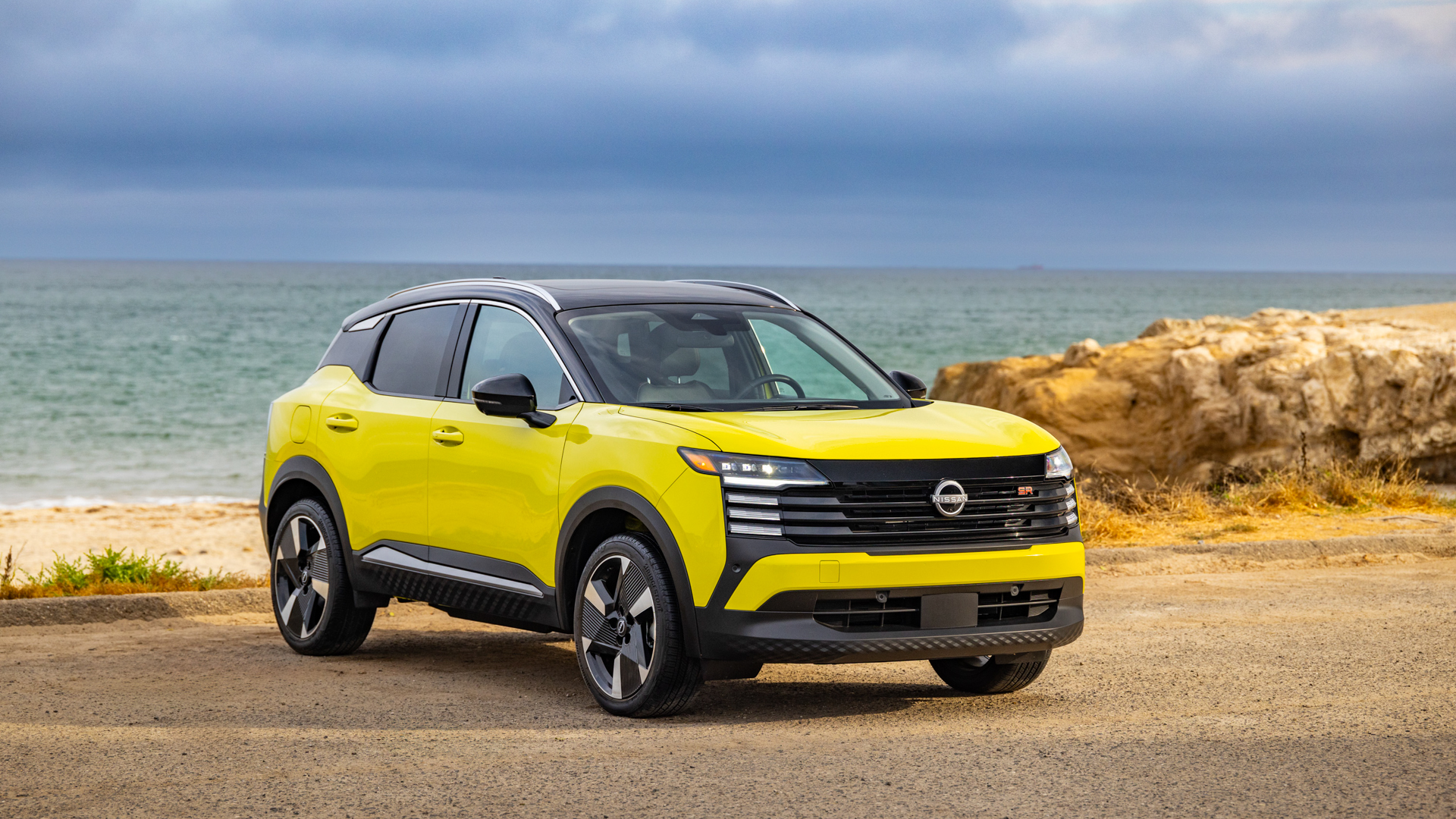
The rollback also has implications for environmental credit trading and vehicle classification, which could impact the development and sale of electric vehicles. Automakers are urging the federal government not to reclassify more vehicles as cars rather than light trucks, as this would lead to stricter standards.
As it stands, they seem to have a much better shot than those in Congress who oppose the rollbacks altogether.
This move is a clear example of how special interests can influence policy decisions, with automakers prioritizing profits over environmental concerns. The long-term consequences of this rollback will likely be detrimental to public health and the environment.