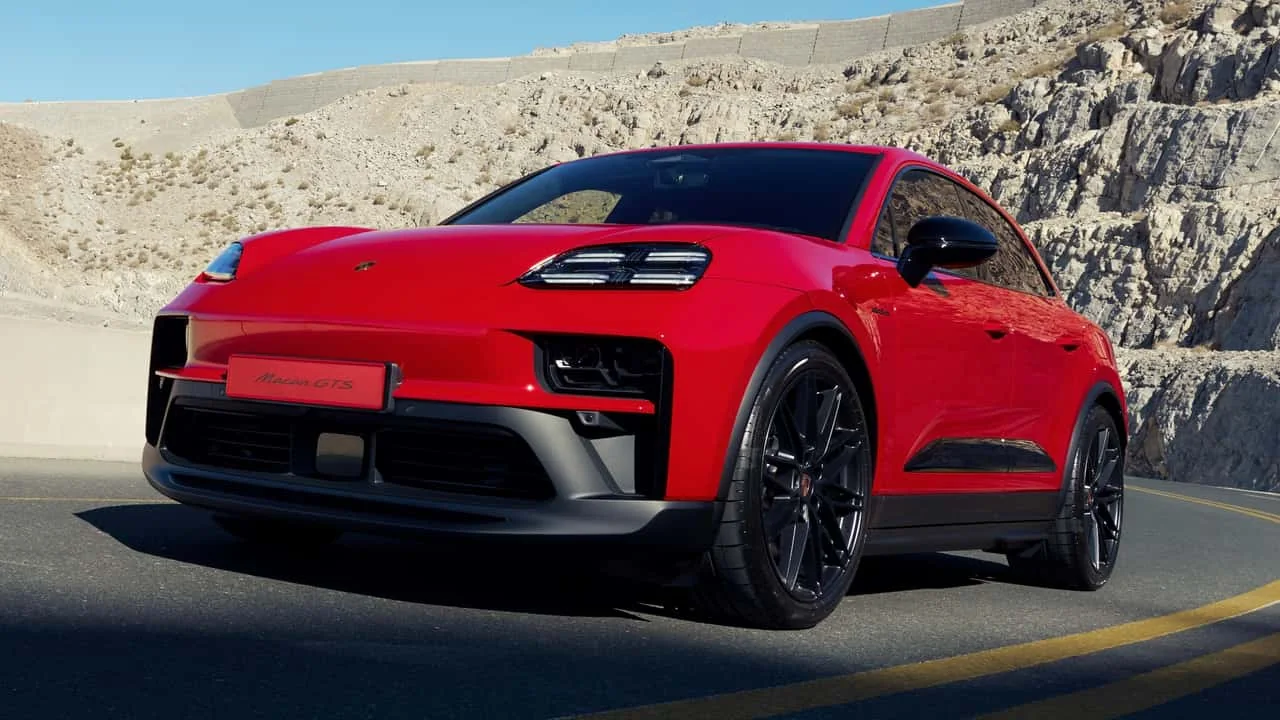
Porsche, one of the world's leading luxury sports car manufacturers, has been struggling with falling sales in the early part of 2026. The company's financial reports have revealed a decline in revenue, which is attributed to various factors, including a lack of new models and a limited range of options for customers. This situation has raised concerns among industry analysts and Porsche enthusiasts alike, who are eager to see the company address these issues and restore its reputation as a leader in the automotive sector.
The decline in sales is particularly concerning given Porsche's rich history and reputation for producing high-performance vehicles that cater to discerning drivers. However, it appears that the company has failed to keep pace with changing consumer preferences and technological advancements, which have led to a shift towards more practical and sustainable options. As a result, Porsche's sales have suffered, and the company is now facing significant challenges in terms of revenue and market share.
One of the primary reasons for Porsche's struggles is its limited lineup, which lacks a range of models that cater to different customer segments. The company has traditionally focused on producing high-performance sports cars, but this approach has not been enough to attract a broader audience. As a result, Porsche is now facing stiff competition from other manufacturers that offer more diverse ranges of vehicles.
Another factor contributing to Porsche's decline in sales is the increasing popularity of electric and hybrid vehicles. Many consumers are opting for more sustainable options, which have become increasingly affordable and desirable. However, Porsche has been slow to adapt to this trend, and its current lineup lacks a significant number of electric models. This lack of diversity is likely to continue to impact the company's sales in the coming months.
The automotive industry is facing significant challenges, and Porsche's struggles serve as a reminder of the importance of innovation and diversification. As consumers become increasingly environmentally conscious, manufacturers must adapt to changing consumer preferences and technological advancements. Porsche's failure to do so has resulted in a decline in sales, which will likely have significant implications for the company's revenue and market share.
Porsche's struggles are also a reminder of the importance of a robust lineup and diverse product offerings. The company's focus on high-performance sports cars has not been enough to attract a broader audience, and its limited range of models is likely to continue to impact sales in the coming months. As the automotive industry continues to evolve, manufacturers must prioritize innovation and diversification to remain competitive.
The decline in Porsche's sales also highlights the importance of timely product launches and regular updates to the lineup. The company's failure to do so has resulted in a lack of new models and a limited range of options for customers. This situation is likely to continue unless Porsche takes immediate action to address these issues and restore its reputation as a leader in the automotive sector.
In order to turn things around, Porsche must prioritize innovation and diversification. The company must invest in developing new models and technologies that cater to changing consumer preferences and technological advancements. This will require significant investment and a willingness to take risks, but it is essential for Porsche's long-term success and competitiveness in the automotive industry.
Ultimately, Porsche's struggles serve as a reminder of the importance of adaptability and innovation in the automotive industry. The company must prioritize these values if it hopes to restore its reputation as a leader in the sector and remain competitive in the coming months and years.
The automotive industry is facing significant challenges, and Porsche's struggles serve as a reminder of the importance of a robust lineup.